Scotland’s businesses must navigate an increasingly complex tax landscape with tax complexities including changing tax rates, reliefs and exemptions, while also complying with both UK-wide and devolved Scottish tax regulations.
This requires more sophisticated planning, expertise, and resources, increasing the burden on every company, no matter how large or small.
With Making Tax Digital (MTD) for corporate tax on the horizon businesses are grappling with what this means for them. Data, and how to produce it, is becoming increasingly important. While the goal is greater efficiency and transparency, these policies require businesses to overhaul their accounting systems and increase their reliance on technology.
Tax and AI
The rise of emerging technologies such as AI, blockchain and big data analytics has added urgency to finding solutions to these complexities. For example, AI-driven tax systems, though designed to streamline tax reporting and ensure compliance, are constantly evolving.
Businesses must stay ahead of these technological developments or risk falling behind in tax filing and reporting. With the costs of investing in new systems and technologies proving costly, there is an ever-increasing demand for an outsourced solution.
All this is on top of significant Brexit-triggered regulatory and tax changes. The end of free movement, changes to VAT, customs duties and cross-border transactions created more administrative burdens for businesses.
Devolved Scottish tax
Scotland’s devolved tax powers further complicate the situation with another set of taxes, including variations in income tax rates and a different approach to property taxes. This has led to a fragmented tax environment where businesses have to keep track of both UK-wide and Scottish-specific policies.
There’s been a steep escalation in the complexity of tax rules and regulations for businesses
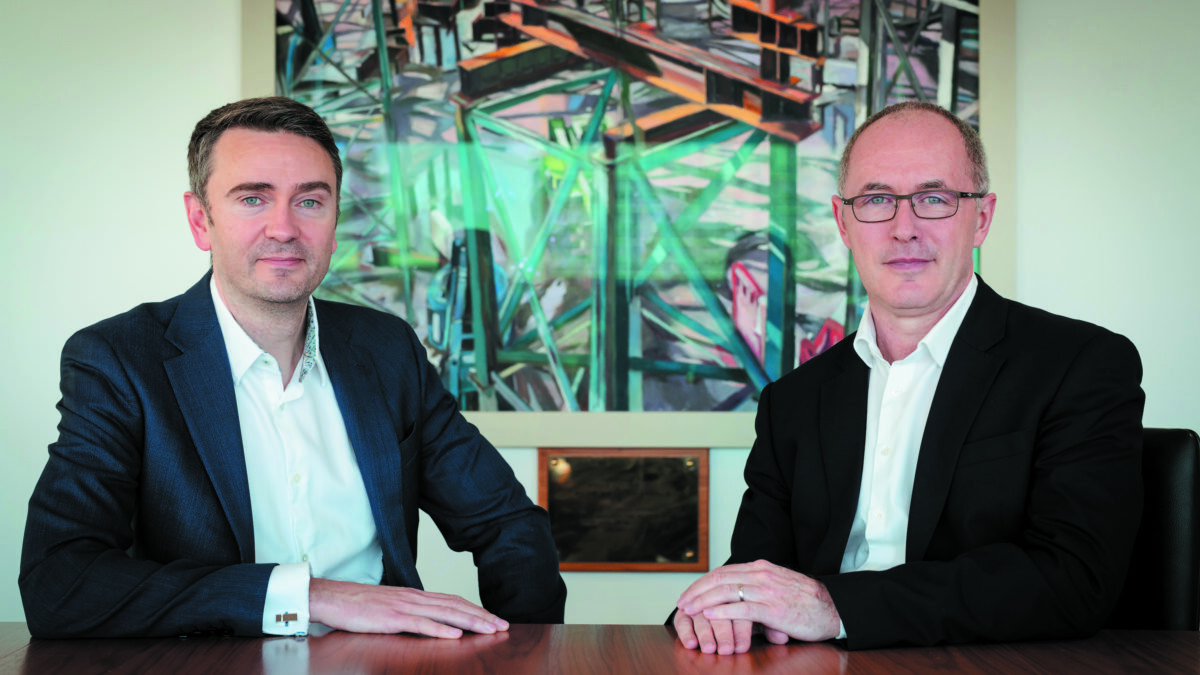
Craig Menzies
Craig Menzies was appointed Equity Partner in EY’s tax team this year. He said about recent complex changes in tax policy: “Over recent years there’s been a steep escalation in the complexity of tax rules and regulations for businesses, particularly changes in both fiscal policy and the rapid rise of emerging technologies. The final straw, it seems, is that with increases to NI, businesses are, once again, trying to find ways to save money and reduce cost.
“Many businesses no longer have the in-house expertise to navigate this complexity and are looking for solutions. With the rapid pace of technological change, increasing pressures to reduce costs and more and more demands on tax and finance teams for data and insights, something has to give. Inevitably, what we see are more streamlined tax and finance functions leaving smaller teams with more to do.
“Scotland has a thriving entrepreneur, SME and owner-managed business community and some of the new compliance demands can require expensive operational changes and investments to implement in-house. That’s where we see many new clients coming to us to not only support with their tax compliance obligations but, increasingly, for support with data and systems.”
Scotland has a unique tax challenge given the spread of levers, policies and complexities across the two governments
Stewart Mathieson
Levers, policies and complexities
Scotland has a unique tax challenge given the spread of levers, policies and complexities across the two governments – Stewart Mathieson EY Scotland Head of Tax Stewart Mathieson said: “Scotland has a unique tax challenge given the spread of levers, policies and complexities across the two governments. As such, EY continues to invest in our local tax team to ensure we offer the very best expert advice and keep rising to developing client requirements.
“Craig was appointed Equity Partnership this year, which was a fantastic career milestone having started in EY back in 2004, and we continue to strengthen our team through strategic hires at all levels.
“We are delighted to also appoint Helen Jamieson as Partner this year, in recognition of the contribution she has made to the local market and tax team.
“Not only does EY remain dedicated to the Scottish market, but we’re also proud to be an employer that offers opportunities for people to building meaningful careers, from apprentice level up, without feeling the need to leave Scotland.”
Partner Content in association with EY