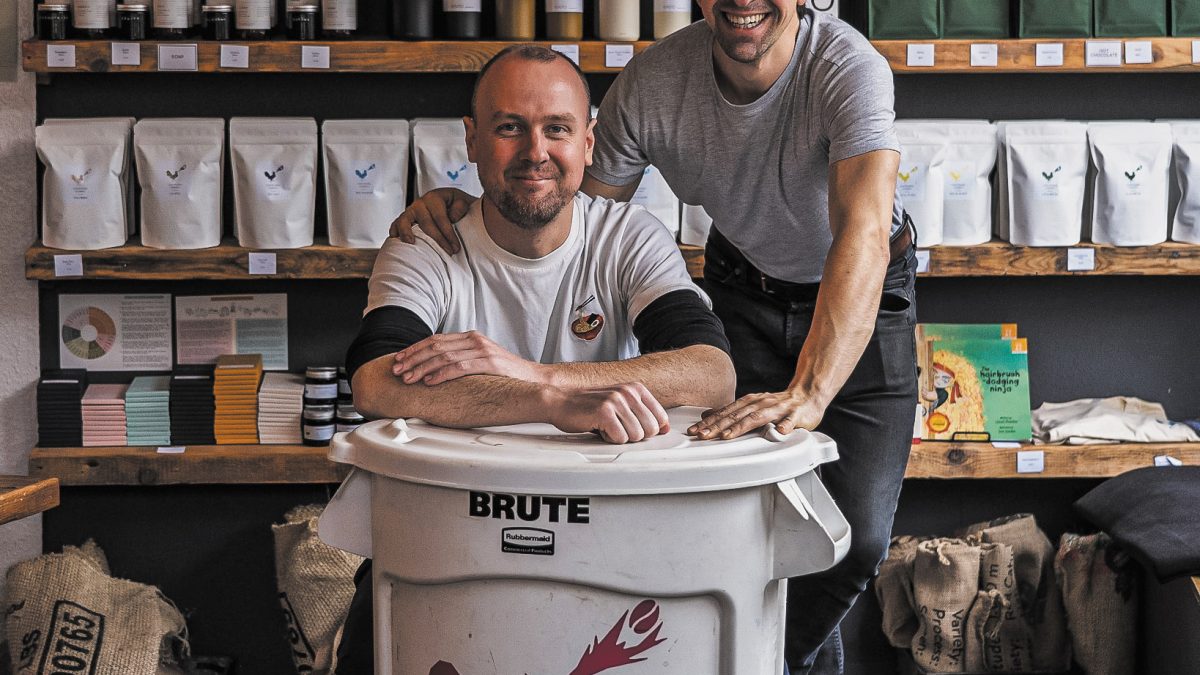
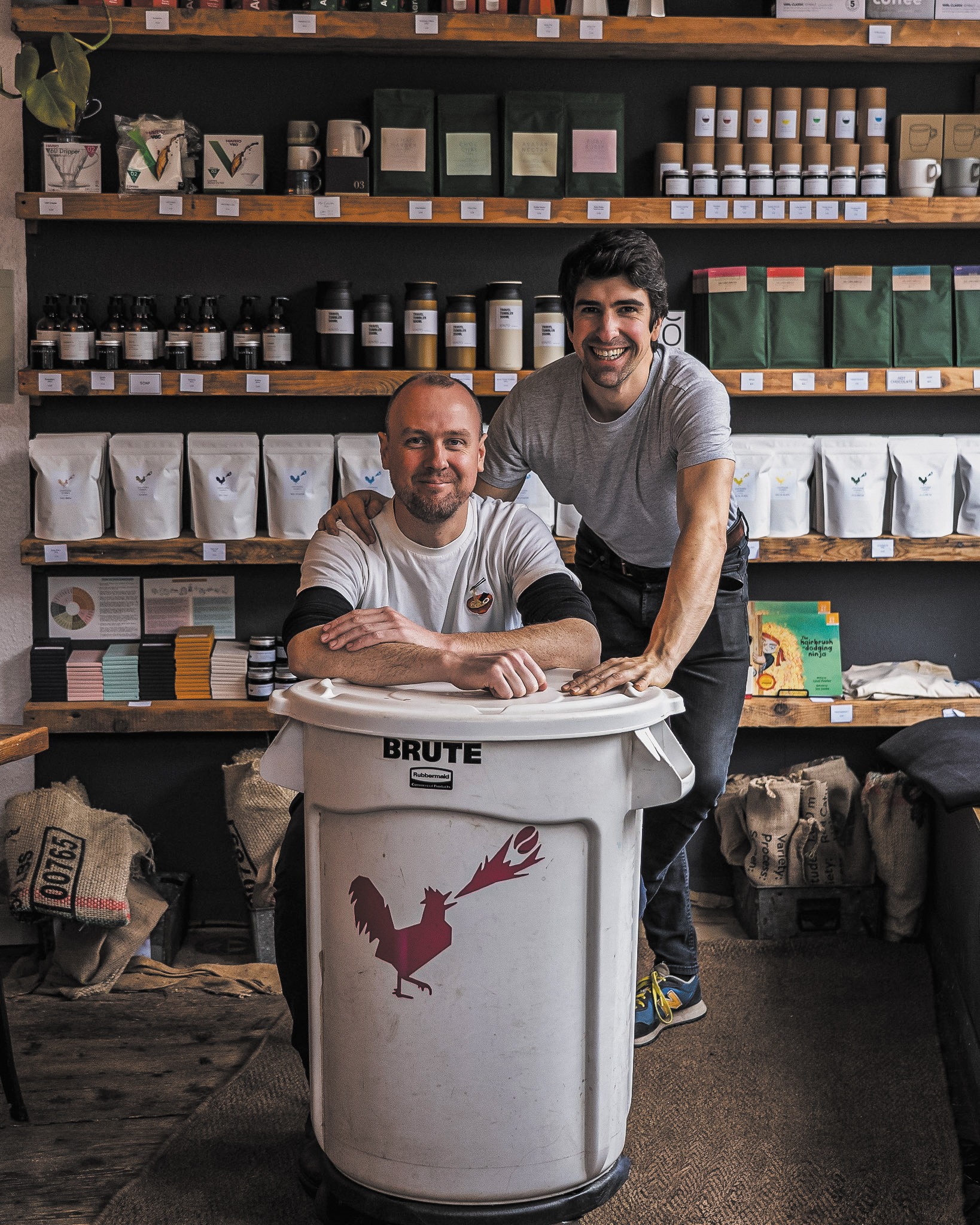
We quit our jobs in 2015 to travel to South and Central America. We discovered coffee from the ground up, from our first plantation visit in Coroico, Bolivia, to Christmas Eve on the plantations in Juayua, El Salvador. We learned about the growers, cooperatives and logistics, before we even founded the roaster.
An inspiration was from working in London beside a well-known cafe in Borough Market called Monmouth Coffee. They have a strong sense of community, engagement and theatre, which we were dying to recreate.
Where did you travel to do your research?
Neil and I have been lucky enough to visit almost all the coffee producing countries in the Americas as well as a subsequent trip to Indonesia. Being there, on location we’ve found to be invaluable in being able to re-teach the coffee story back here in the UK.
Actually knowing first-hand how different processes work in each country means we can shed light on why the coffee tastes the way it does from each single origin.
And do you have a favourite country for coffee?
Personally for me Brazil can’t be beaten. The coffee itself has such a unique personality that can’t be recreated anywhere else. The soil is uniquely porous and earthy, giving Brazilian coffee a depth of nutty character that is, in a few words, extremely braw. We named our flagship coffee Wee Stoater as it’s truly an example of the raw quality that can come from an extraordinary location.
And do you have a favourite country for coffee?
While sitting in an El Salvadorian hostel a song by Wretch 32, called Unorthodox, played (a remix of Fools Gold by the Stone Roses). The lyrics were very much us.
A Scottish girl called Lauren, who we happened to meet, suggested we should call our future business that – and Unorthodox Roasters was born. To be truly Unorthodox we strive to do things differently from other businesses. If everyone else does it: we question why? And then do something else. If something else doesn’t exist: we create it.
How difficult has it been getting supplies of great coffee?
In 2016 great coffee was available in spades. We almost couldn’t go wrong. Now in 2026 coffee roasters have to be increasingly selective, drawing upon relationships with suppliers to secure the top class coffees. There are big companies with deep pockets all vying for the tastiest lots.
However, with clever sourcing we can always bring a good variety of amazing coffees to our customers. Plus, more countries across the world are beginning to produce high quality coffee; countries such as China, Ecuador, India and Vietnam, varying the locations from where we can source.
Tell us about your roasting machine and what you’ve learned?
It’s a trial by fire: coffee roasting is hard. We roast on the world roasting championship model Giesen W6A which takes pride of place in Unorthodox Kinross.
Probably because we taste so many coffees and we are so close to the process, we never feel 100 per cent of the way there. It’s a game of constant changes and continual learning. The solid truth however, is that we roast coffee the way we like to drink it. Luckily lots of people across the UK and the world like it this way too, which we are very happy about. A light-medium roast profile means you can taste all the natural flavours from the coffee origin, without the bitterness.
Well, here’s to a decent cup of coffee. Where is it from?
Today you are drinking Wee Stoater from Fazenda Cachoeira in Brazil, which you might agree is nutty, earthy, mellow and naturally sweet.
Quite a normal coffee in our current world of crazy coffee processing that tastes like wine. But you know what? We love normal, great tasting coffee as well as the really Unorthodox stuff.
Unorthodox Roasters, Scottish Coffee Roasters. Cafes in Kinross and Stirling.