How do Scotland’s main political parties view the energy transition?
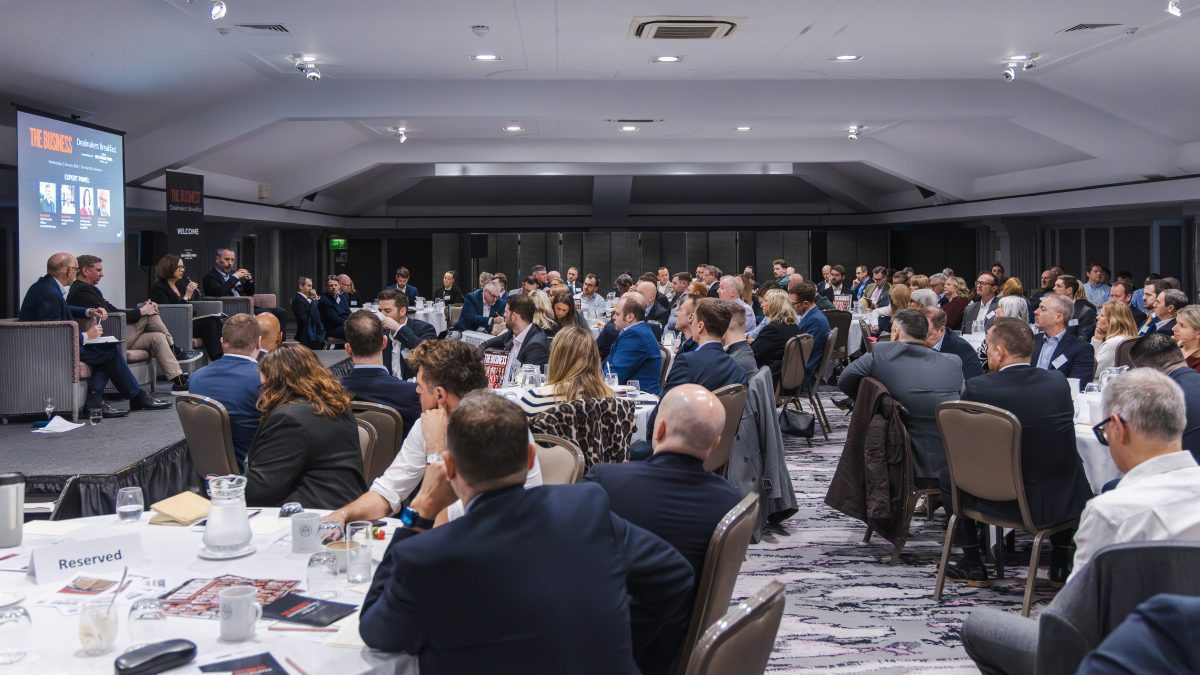
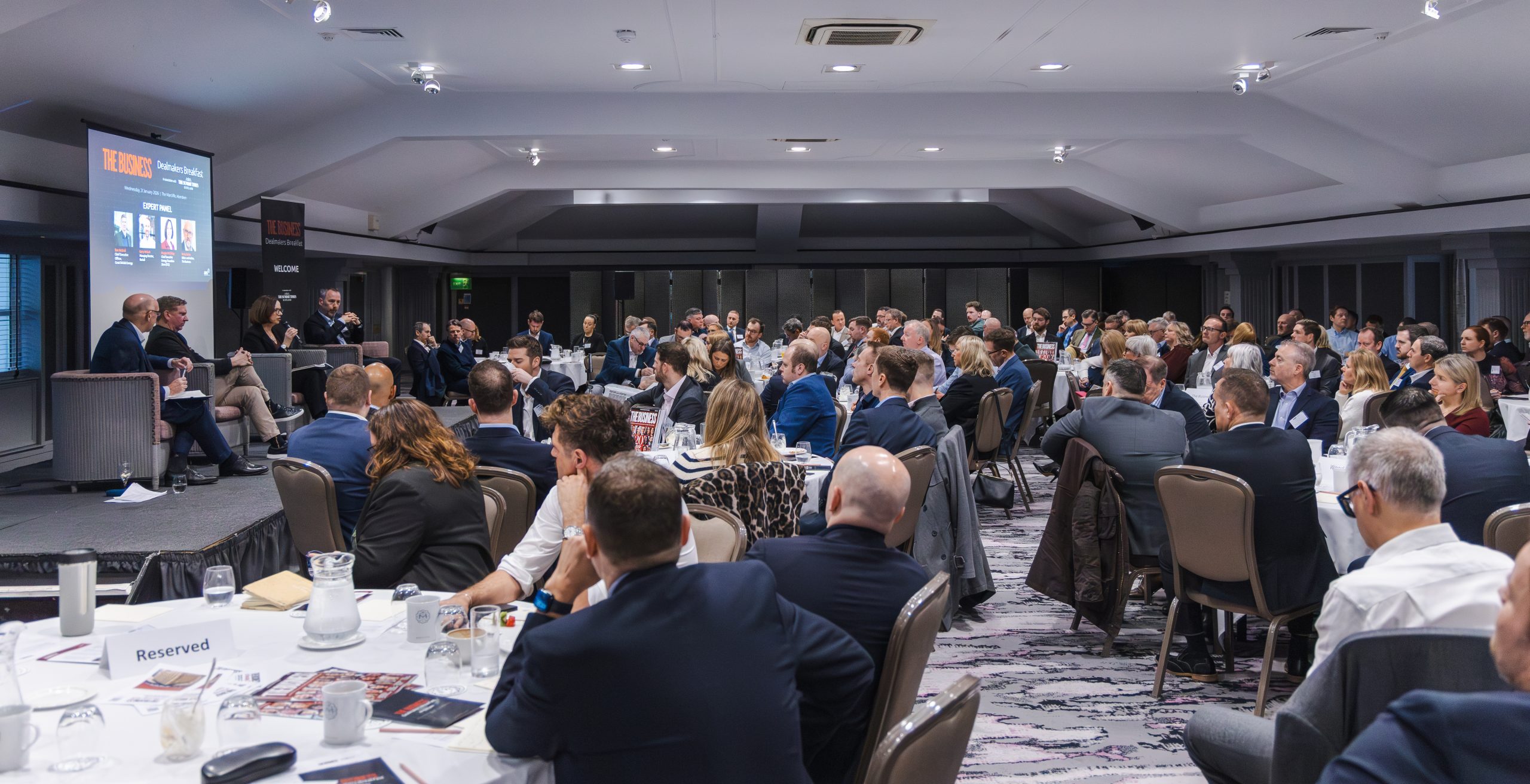
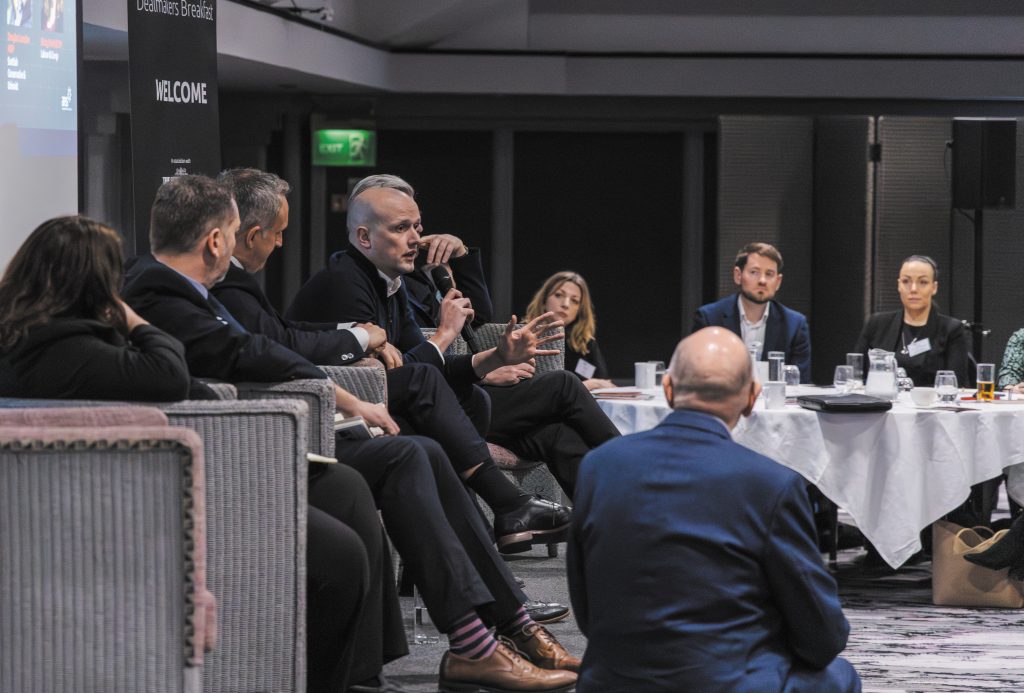
At The BusinessDealmakers’ Breakfast event in Aberdeen in January, the panel of speakers was:Stephen Flynn, SNP leader in the House of Commons, MP for Aberdeen South; Alex Cole-Hamilton, leader of the Scottish Liberal Democrats, Douglas Lumsden, at the time Scottish Conservative, MSP; Kirsty McNeill, Labour MP for Midlothian, and Under Secretary of State for Scotland; and Malcolm Offord, Scottish leader of Reform UK.The Green Party was invited but did not take part.
Stephen Flynn said he was fed-up speaking to people who do not have jobs, and are worried because they see an energy industry which is a global leader yet there are diminishing prospects in Scotland. People who have skills which are sought-after right across the planet fear they are not going to have opportunity in their lives.
“And, at same time that they have this worry, the opportunity of renewables is not being realised in the way that they were promised.
“We do have a world-class industry that we can be proud of, something that we should shout about, and alongside that industry, you should seek to build another industry that also becomes global leading.”
Stephen Flynn speaking at The Business Dealmakers’ Breakfast in Aberdeen | Pic: Ruaridh Hanna
Alex Cole-Hamilton said this is probably one of the most disruptive moments in human history. That has tremendous implications for our economy, energy security and the future of the western world.
He said we are having to adapt our way of thinking to match this.
“The final boss of the 21st century will always be climate change. So we do have an obligation to move away from oil and gas, but we don’t need to do that at the expense of the industry that has made this city great.”
He said the problem is that successive governments have failed to drive down demand for oil and gas. Yet we have a situation where one million homes in Scotland are inadequately insulated, and where 800,000 Scots are living in fuel poverty.
Douglas Lumsden said the North-East of Scotland is lucky to have both hydro carbons and the potential for offshore wind technologies.
“But just now, it feels like we are shooting ourselves in the foot in the way that we are demonising oil and gas at every turn.”
UK policy of no new oil and gas licenses
He said there is a UK policy of no new oil and gas licences in UK waters at the moment, which only means we are going to import more oil and gas. This will only support jobs in other areas of the world. There is also a Scottish Government where there is a presumption against new oil and gas. That doesn’t do anything to encourage investment into Scotland.”
He pointed out that 1,000 jobs are being lost every month from the oil and gas industry.
“These jobs are not being replaced at the same rate by renewables. Sometimes we hear about a transition, but it doesn’t seem like a transition for those people who are transitioning onto the dole. Or transitioning to working abroad, or to early retirement.”
He said energy prices in the UK are seven times higher than they are in China and four times higher than the United States.
“We are meant to be an advanced economy: how on earth can we make anything with energy prices like that? Never mind heat our own homes. It is utterly ridiculous.
“We are told this is a just transition; try going to Grangemouth and talking about that. Or the North-East and talk about just transition. What we need is an affordable transition.”
He cited Offshore Energies UK’s recent survey which showed a transition of jobs from oil and gas to renewables was only running at 50 per cent. Furthermore, the salary levels are 50 per cent lower.
International situation
Meanwhile, everyone with oil and gas skills is heading abroad.
Kirsty McNeill said Scottish Labour absolutely recognised the expertise of the workers in the North-East. She explained that the UK is dealing with an international situation that is “unbelievably volatile”.
She cited the creation of GB Energy, the decision over Berwick Bank offshore wind farm, and the £86bn in the Spending Review for research and development.
This coupled with “record” £120bn of private investment “crowded in” during 2025, plus a “record” 120 major infrastructure projects signed off.
“As a Labour government, we are thinking long-term.” She said the Scottish Parliament needs to think about the “very different needs of very different regions”.
She said that the transition will not be set by the rules of politicians but the rules of science.
Register here for the upcoming DealMakers’ Breakfast, Infrastructure: Golden Age of Transformation, at the Kingsmills Hotel in Inverness, chaired by Kenny Kemp as part of The Business’ Dealmakers’ Events of 2026.