
Canadian brings unique international perspective to role at Law Society
The road from Yellowknife, in Canada’s Northwest Territories, to the home of the Law Society Scotland in Edinburgh is, to appropriate a phrase from Robert Frost, the one less travelled by.
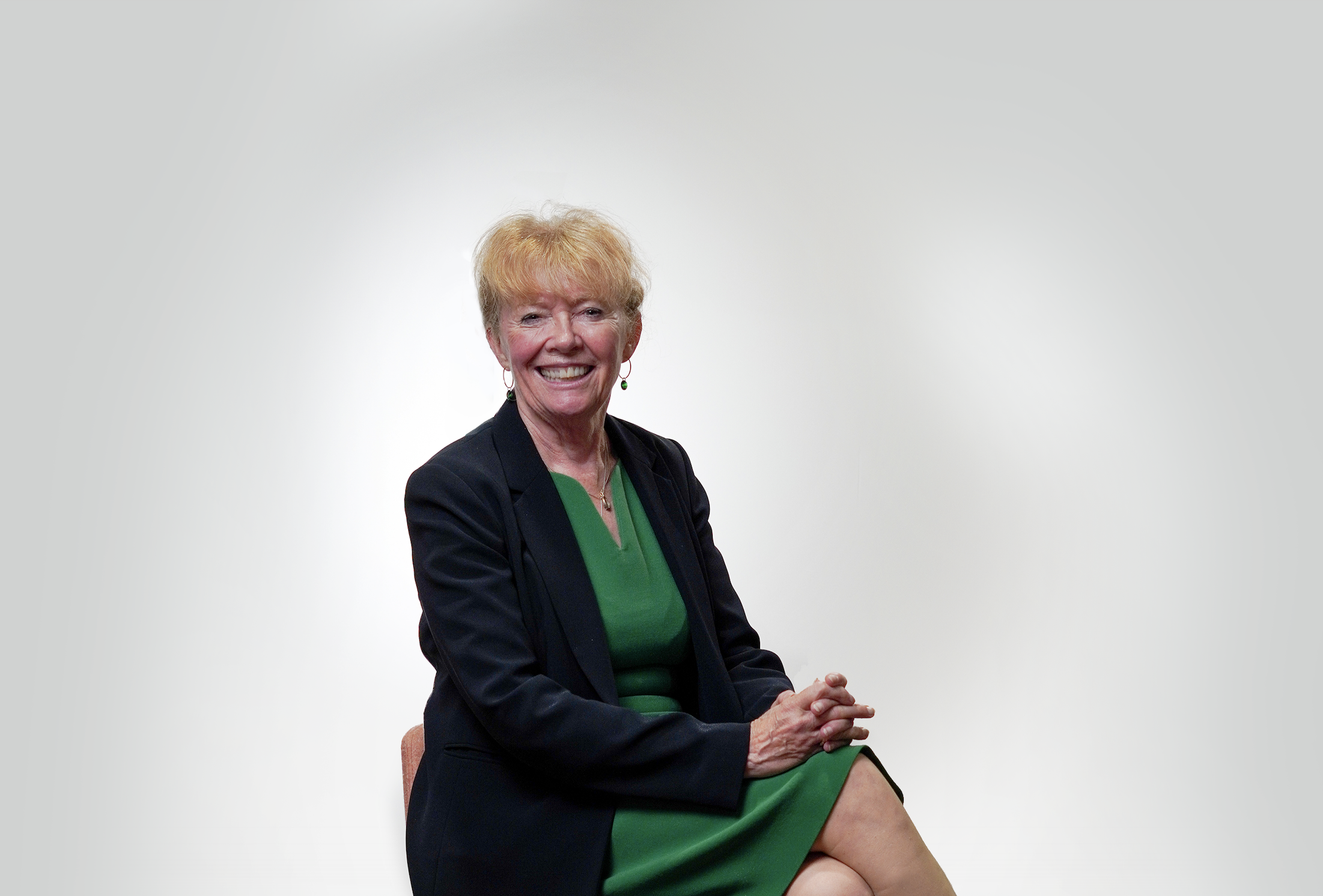
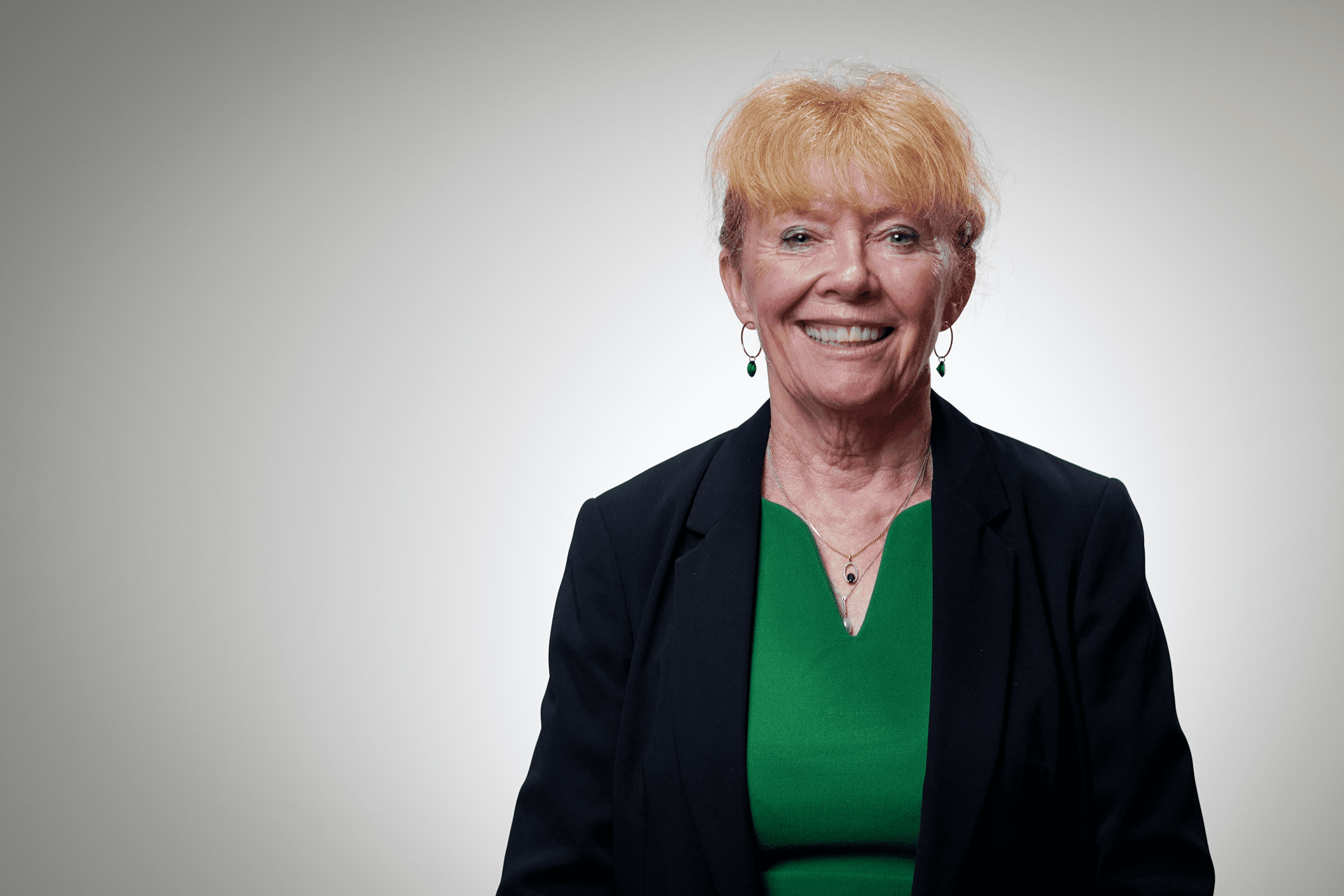
When Patricia Thom succeeded Susan Murray as president of the society in June she brought a unique international perspective and breadth of legal experience, having been an in-house lawyer, a barrister, worked in a high street practice and started her own practice.
She also assumed her role as the society was confronting a range of challenges, including economic pressures, cybersecurity, the rise of AI in legal services, the attraction and retention of new talent in the profession and an increasing level of competition among law firms.
Thom is refreshingly straightforward in discussing the uncertainties facing the profession – and in her approach to confronting them.
She is also proud of the role of smaller solicitors’ firms in Scotland and believes that these represent the backbone of the communities in which they’re based. “They’re local and accessible,” she says. “There are hundreds of them in our towns and the suburbs of our cities,” adding that recruitment and retention remain a particular challenge for these firms, with the allure of the city and larger, sometimes international practices, attracting newly-qualified lawyers.
Post-pandemic changes in work practices, however, might see a shift toward an emphasis on work-life balance to which the intimacy of a small firm lends itself better.
Thom has also specialised in civil court practice, with an emphasis on family law and adults with incapacity and, after joining the Law Society of Scotland Council became convener of the society’s Civil Legal Aid Committee in 2020 and Child and Family Law Committee in 2023.
Her circuitous route to the Scottish Borders and then the presidency of the Law Society must be unique. The daughter of a Canadian mining engineer (there were two gold mines in Yellowknife until 2004) she obtained an LLB in Saskatchewan, then worked as a barrister and solicitor in the Northwest Territories and Alberta.
Practising for five years, she married a Scottish dentist who “had gone to Yellowknife as something of an adventure”. The couple moved to Scotland, where she requalified as a solicitor while raising a family of three small children.
Thom worked with Borders Regional Council, which became the Scottish Borders Council, for 13 years, advising on matters ranging from copyright to computer contracts, though her main responsibilities were to the social work department and in education.
After engaging in civil court work and legal aid in a high street firm she became a partner, worked in her own firm for some ten years then joined another practice before retiring in 2021 – though she remains a safeguarder, curator and child welfare reporter, and is the elected Law Society Council representative for the Haddington, Peebles, Jedburgh, Duns and Selkirk constituency.
“In 2015 I was elected to represent the solicitors in the Borders on the Law Society Council. I became convenor of the Criminal Legal Aid Committee just before Covid and it became a huge job as we were meeting with the Scottish Government and the Scottish Legal Aid Board probably once a week because the courts were closed and solicitors couldn’t make any money.
“Thankfully we obtained a fee increase and a resilience fund, but things went quiet until we launched the Legal Aid Matters campaign calling on the Scottish Government to prioritise legal aid and ensure that justice remains accessible to everyone – not just those who can afford it.”
The number of legal aid solicitors is shrinking, with a survey revealing that 41 per cent of respondents either plan to stop legal aid work within two years or are unsure if they will continue.
And, with almost one-third of practitioners set to retire within the next decade, the society believes without urgent action there is the real possibility of a complete collapse of the system within ten years.
“At first, we thought that legal aid ‘deserts’ were confined to rural areas, but in fact they exist in the middle of Glasgow in areas of law such as evictions and domestic abuse where vulnerable people can’t afford a solicitor, so the message has got through to the government but, although they are talking to us, they are citing money constraints so it’s rather frustrating,” she says.
More encouraging is the Regulation of Legal Services (Scotland) Bill which was introduced to the Scottish Parliament in April 2023 and was passed by MSPs in May this year, addressing the fact that most of the 40-year-old legislation covering the operation and regulation of the legal market was increasingly out of date and unfit for purpose.
It comes after a decade of campaigning by the Law Society, which believes the legislation delivers changes that allow the society to be a faster and more effective regulator, providing for more robust consumer protections.
It intends to use the range of new tools MSPs have given it to be more proactive as a regulator and prevent problems from arising. “I think it’s going to make a difference,” says Thom. “Hopefully it will simplify the complaints process which has been pretty cumbersome and complicated for both consumers and solicitors.”
Alongside that, and within its corporate strategy for 2025-2028, the society is actively promoting the public interest role of solicitors and ensuring that regulation supports that broader purpose.
There is of course a list of other concerns it is addressing, including technology and the emerging risks it brings, including how firms adopt AI, digital tools and cyber-security, and supporting the profession through change by engaging with members, offering guidance and ensuring the value of being part of the society.
The Law Society’s webinars tackle many relevant issues, including cryptocurrency, succession planning, talent retention and sustainability. “We’re keen to demonstrate to our members that we are there for them and have various mechanisms that provide support,” she says.
“And while the big firms and the Law Society have always been strongly connected, with several represented on our committees, we’re concerned that the smaller, high-street firms – including those in rural areas – perhaps think the society isn’t for them. It’s important to demonstrate that we are there for them and that we have something helpful to offer.”
Thom is the eighth woman to become president of the society and is supported by Serena Sutherland as vice president, the first solicitor based in the Northern Isles (Orkney) to join the society’s office bearers. Ben Kemp joined as CEO in August from the Institute and Faculty of Actuaries (IFoA).
“I feel I’ve inherited something that’s in pretty good shape,” says Thom, “but we now have a new CEO, we’ve been recruiting two new directors and a general counsel and are in a newly-renovated office which people are very happy with. So, while there are lots of changes and many challenges, I’m certainly optimistic.”