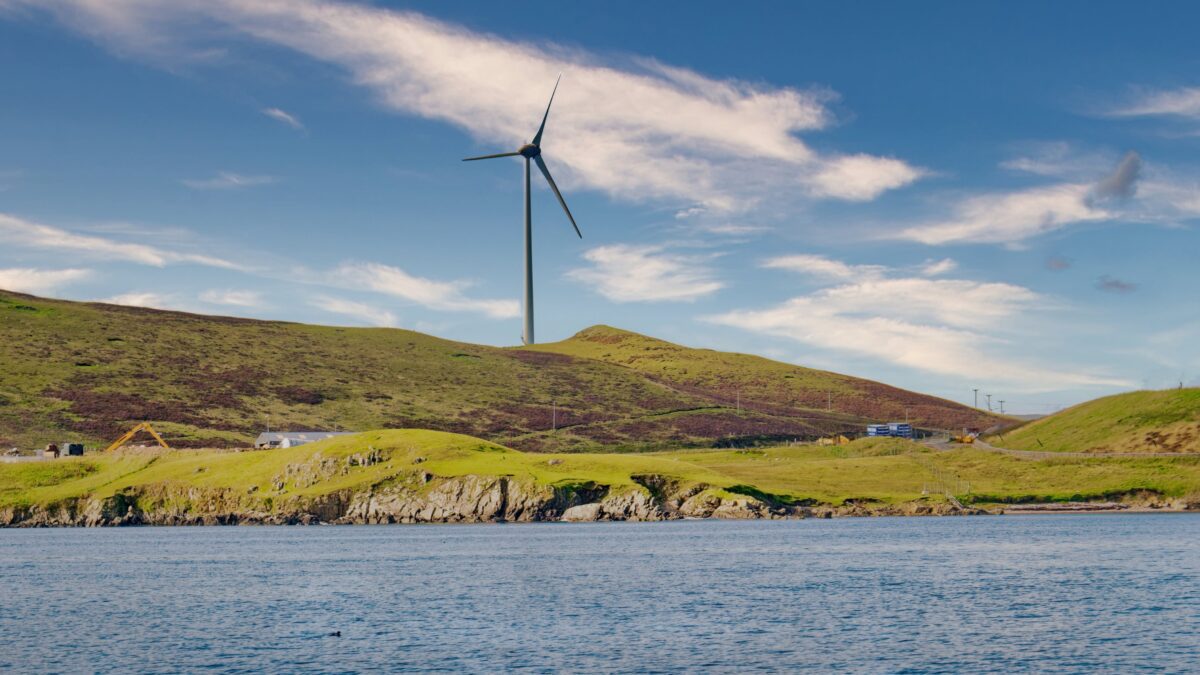
The problem is that while this caps the cost of a unit of electricity, Scots are still using large amounts of electricity – and as the electrification of the nation goes on this is expected to treble. And Shetlanders, who endure the dampest weather and longest hours without daylight in the winter, are the largest users.
“Prices are three times higher than before the invasion of Ukraine. I was in Shetland recently and their energy use is double anywhere else in the country. Because it is colder, and darker,” Mack says.
Of course, green wind electricity is only produced when there is wind, so the generation network has to have gas or nuclear to meet demand when wind cannot.
Here it gets technical because wholesale prices are set by the last marginal unit of generation, which in Germany is either coal, gas or hydro, and in France is nuclear, and therefore their energy prices are lower.
“In the UK we haven’t got enough renewables in the system yet to make that last marginal unit green energy. It’s that last unit of gas that sets the price. In the UK, that marginal unit of gas occurs about 98 per cent of the time. In France, only 7 per cent is gas, Germany it’s 24 per cent, and 39 per cent in rest of Europe.”
There is still a yawning gap before the UK reconfigures a 100-year-old national grid to handle offshore wind from around the shores.
Mack is optimistic and says the renewables race is hotting up. A massive amount has been done – and is still being done – to bring enough electricity on stream from offshore wind and other renewables such as floating wind, solar and heat pumps.
“We’re trying to push more renewables onto the system to make sure that last marginal cost will be cheaper renewables.”
But why are turbines being paid to turn and energy wasted?
“I understand why this doesn’t make sense but it’s a legacy of not building new grid as we should have done. As the green revolution rolls out and we quadruple electricity, we will need more distribution. It is this that is taking time.”
When will we get cheaper bills? “I can’t give a definitive date but I’m optimistic it will be in the near future when our generation and distribution networks are working in harmony once again.”