The first of a four-part series with The Business, supported by CHAS, looking at how third-sector organisations can learn from business and what businesses can do for charities

Every single charity with aspirations to make the world a better place has to sit down at an early stage and gather some legal wisdom. When the fundraising stretches to millions of pounds for major projects, such as Children’s Hospices Across Scotland’s (CHAS) ambitious £20m More Than A Hospice Appeal, then everything must be set up properly.

As Scotland’s third sector becomes more complex, including more community enterprises and development trusts filling the gaps left by Scotland’s cash-strapped councils, and with more scrutiny, the most successful charities increasingly resemble well-run businesses following principles of good governance. 

“Good governance, clarity of vision, and robust financial stewardship are no longer optional; they are fundamental to maintaining public trust and delivering impact for beneficiaries and stakeholders alike,” says Kenneth Pinkerton, partner and co-head of the charities and third sector team at Brodies.

Heather Bird, director in the private wealth and tax and charities teams at Shepherd and Wedderburn, shares the essential starting point that the composition and operation of the board is key to success. 

“When charities get this right, the board works effectively and shapes the charity’s vision and long-term objectives, identifies opportunities, and manages risks. When they get it wrong, we see governance failures and, in some cases, damage to the charity’s assets and reputation,” she says.

Mark McKeown, legal director with Turcan Connell, says vision is equally important. “Charities need to be clear about the problem they are trying to solve and the measurable impact which they want to make. A compelling vision should be ambitious but realistic and it must guide decision making, which means that staff, volunteers, funders and beneficiaries should all understand the mission in simple terms.”

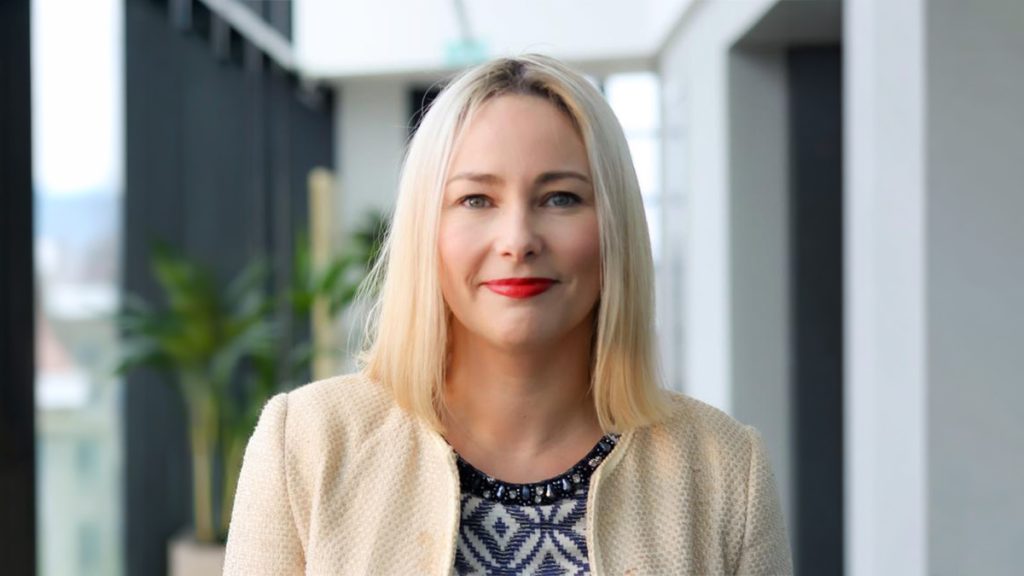
Heather Bird: ‘Too many trustees can hamper effective decision making’.

Open and transparent recruitment

This stems from the appointment of board members or trustees. 

“It is now accepted that the board of any charity must have the right mix of skills comprising a blend of lived experience, professional expertise, diversity – including diversity of thought – and sector understanding,” says Pinkerton.

He recommends that the board should be built using an open and transparent recruitment process with an active focus on diversity, equity and inclusion. Advertising widely increases reach and improves the mix of applicants. 

“It need not be expensive; many umbrella bodies offer free or cost-effective platforms to advertise board vacancies,” he says.

The strategy should be rooted firmly in the purpose, with all resources aligned to deliver public benefit for the beneficiaries. Like any business, the most successful charities are those that clearly and concisely articulate what they do, where they are going and how they will measure success.

For Bird having the right number of trustees is also critical. However, there is not a prescriptive or exact number of trustees: it depends on the needs of the organisation.

“Having too many can hamper effective decision making, and can make it difficult to ensure that enough people attend meetings and remain engaged. Too few can restrict the breadth of knowledge required to effectively manage the charity and lead to weaknesses in governance and oversight.”

But with many board trustees undertaking their work on a voluntary and unpaid basis, the board’s chair must consider the issue of burn-out of enthusiastic people who are trying to fit their professional lives and home and family considerations alongside their charitable work. Often charities falter because they are unable to get a quorum of trustees at regular board meetings.

 When many trustees have sat on the board for some time, this can also cause problems, such as stagnation or a lack of innovative thought. 

“Regular board rotation is healthy, and is viewed by the regulator (OSCR) as an indicator of good governance,” she adds. “The board should ensure that all of its members are aware of their legal and regulatory duties.”

Often new board members have little understanding of the range of work of a charity, so they need support in learning about what is planned, and who will be undertaking the projects and the fund-raising.

“A well thought-out induction process is the first step, followed by ongoing training, regular assessments to identify where skills gaps might exist, and then steps to fill any that are found,” she suggests.

 When charities encounter problems, it is very often down to a failing of the board to retain full operational oversight, particularly over a charity’s finances. 

All boards should endeavour to gather the right skills set. Everyone should be sufficiently alert to risks. In business, there is a constant challenge between risk and rewards, and finding the best balance. This can also be true in charitable organisations, so risk assessment of strategy plans is vital. The board must put in place suitable governance procedures and protocols to mitigate risks that might hinder the charity.
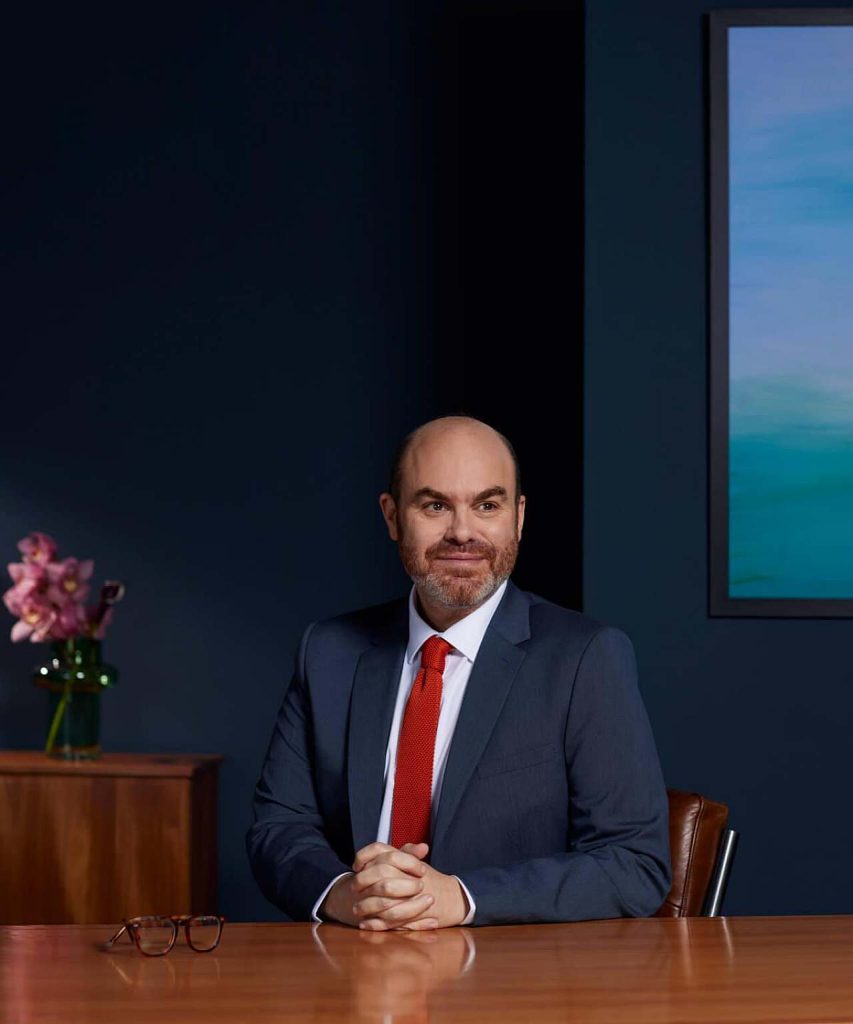
Kenneth Pinkerton: ‘Good gover- nance and robust financial stewardship are no longer optional’.

Funding: What are the expectations?

Pinkerton says the expectations of donors and grant-makers have evolved significantly in recent times. Again, he repeats the need for transparency, financial discipline and that evidence of outcomes are now expected.

“Accountability through clear reporting on how funds are deployed and what impact is achieved are key to long-lasting funding relationships.

Large grant-makers and funders that support substantial projects look for robust governance frameworks. They will seek undertakings through a grant agreement to ensure funding is used appropriately, with reporting on outcomes at key milestones – often before the next funding tranche is released.   

Conflicts of interest also need to be recognised and delicately managed. This is true when volunteers in charities are considered for full-time positions as the charity expands. There is a perpetual challenge of communicating the distinction between strategy and operations to the board. This, says Pinkerton, is often simply a failure to refresh governance practices. 

McKeown says: “When managing third-party funding, governance and transparency are of critical importance. Funders expect robust financial controls, clear reporting and evidence that donated assets are being used effectively.

“This requires strong systems for monitoring outcomes, managing risk and demonstrating value for money. Relationships with funders should be treated as partnerships built on trust, communication and delivery.”

For large philanthropic projects, donors seek assurance that a charity is well led, financially resilient and capable of delivering at scale. 

“They look for credible leadership, realistic budgets, measurable outcomes and evidence of collaboration. They also want to see innovation alongside sustainability, which means not just good intentions but a clear plan for lasting social impact.”

Mark McKeown: ‘Charities need to be clear about the problem they are trying to solve’.

How to thrive and survive

The organisations which thrive are usually those that combine a strong social mission with disciplined business thinking, says McKeown.

Most established Scottish charities are well governed. Those that succeed combine purpose with rigour – retaining their values while adopting the hallmarks of businesses, says Pinkerton.

There is also a need to understand when the purpose and outcome have been fulfilled. Then there needs to be a serious board conversation about the future – does the charity close itself down or start to look for a new purpose? 

Next time: How charity bosses build a vital balance of team skills

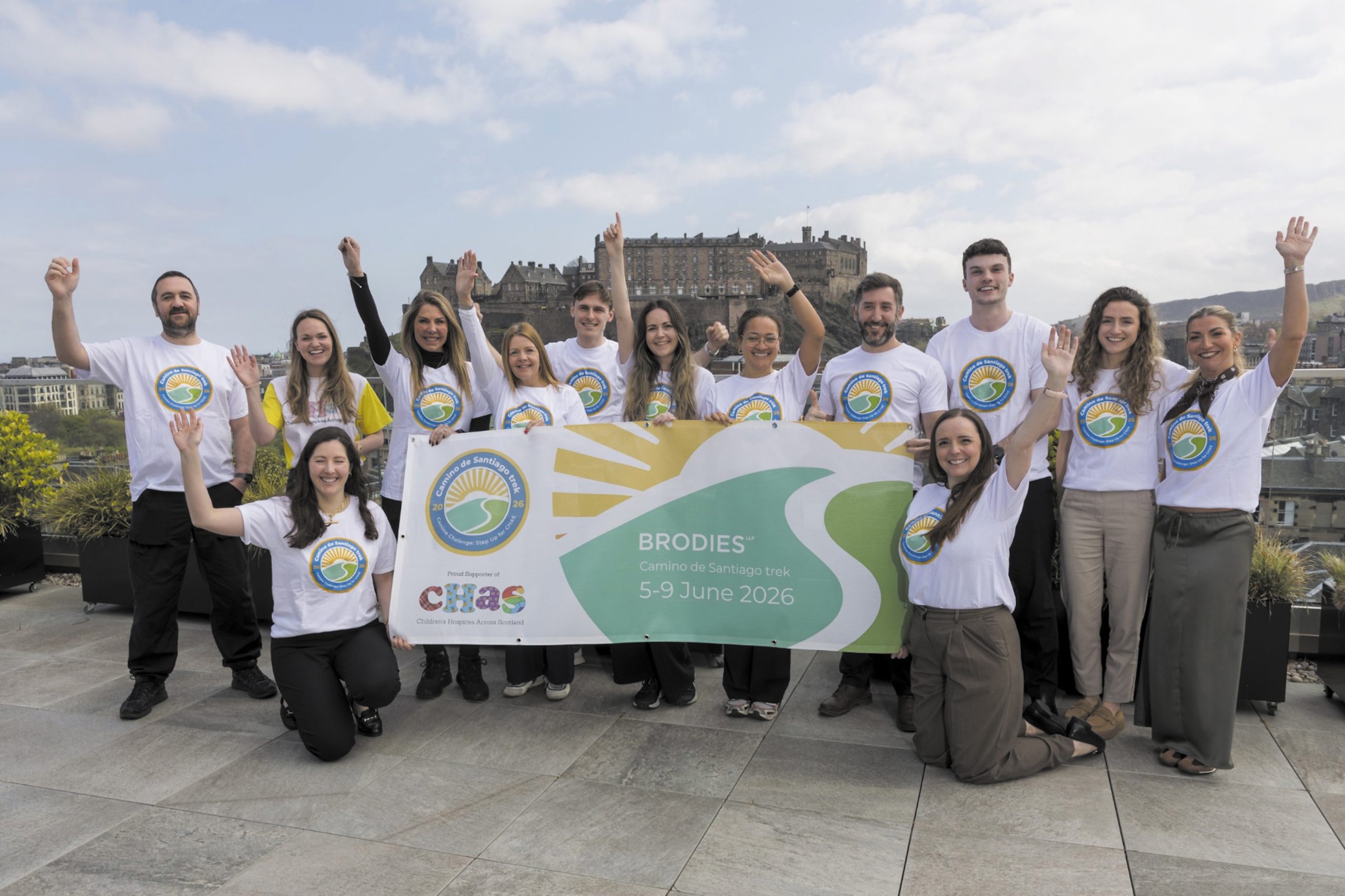
This summer Brodies staff are fundraising for CHAS, the law firm’s chosen charity partner. Over three days, 22 colleagues are hiking more than 67km of the Camino de Santiago in Spain. Here some of the walkers join Louise Swann, mass participation manager at CHAS, ahead of their fundraising trek.

Over three days, 22 colleagues at Brodies are hiking more than 67km of the Camino de Santiago in Spain. Here some of the walkers join Louise Swann, mass participation manager at CHAS, ahead of their fundraising trek.