

Sir Thomas Lipton is in the pantheon of Scotland’s greatest entrepreneurs. Yet he is largely forgotten today. He foresaw the arrival of steam ships and cut out the middlemen to bring cheaper tea to the beverage-loving British masses.
The grocery magnate, born in the Gorbals in 1848, built the Lipton’s empire then used his wealth to challenge America with his audacious yachting exploits.
Today Lipton’s name survives as a brand of tea and soft drinks – and as a charity in Scotland.
The Sir Thomas Lipton Foundation was set up in 2010 by Laurence Brady, a fundraiser who was inspired by Lipton’s tales of competing against five American sailing teams between 1899 and 1930 in an attempt to win the America’s Cup. His beautiful Scottish-designed yachts, from Shamrock to Shamrock V, all failed to secure the trophy.
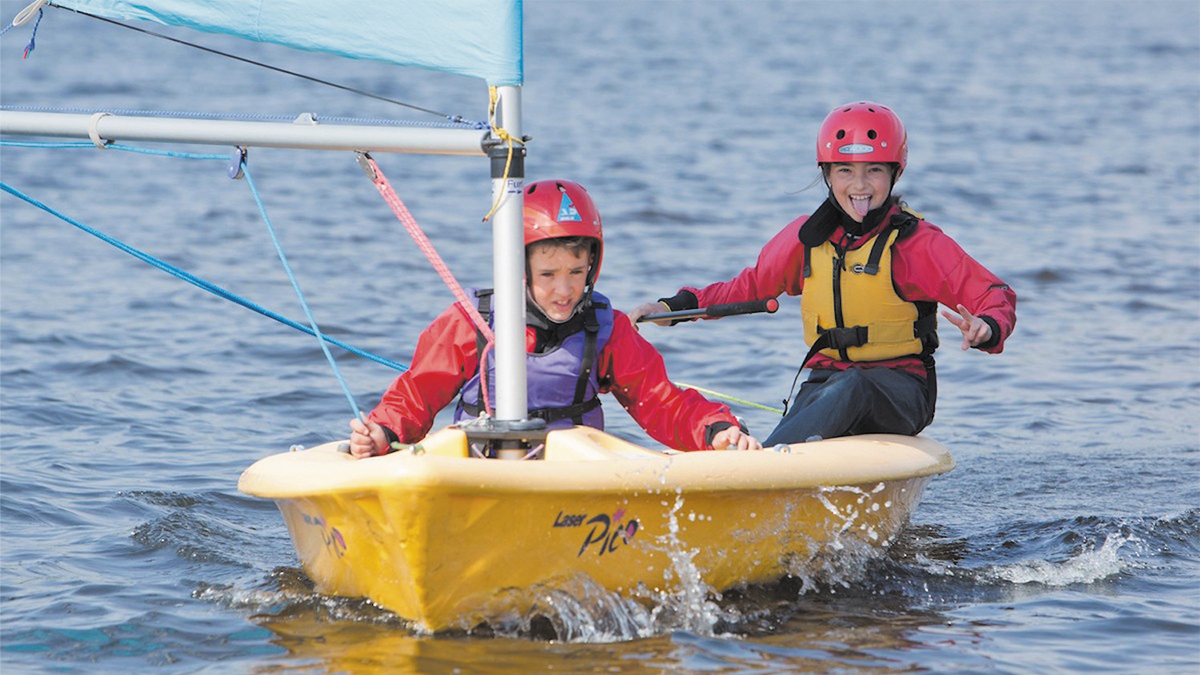
Brady, who wrote a biography of Lipton, wanted to share the tales of the sea and encourage young people from disadvantaged backgrounds to enjoy sailing and to experience time on the waters.
Funding for charities
But like many charities in Scotland, the Sir Thomas Lipton Foundation struggles to maintain its regular funding. More so when multifarious medical charities are raising funds to supplement the chronic shortfalls in health provision across the National Health Service.
Family charitable foundations, such as the one mentioned by Sir Brian Souter in our Big Interview [Page 8], are the bedrock of support for a massive number of good causes. Today, the philanthropy of wealthy business figures is a major part of the economic system of welfare and social care.
“Last September, we were one of four nominated charities for London International Shipping Week. We have a partnership with them. We still get great in-kind support from the UK’s maritime industries. They help us to deliver our programme,” explains Brady.
Companies such as shipping management company V Group, based in Glasgow’s SkyPark, Stream Marine, Clyde Marine Training and Seapeak, are regular contributors helping to deliver interactive maritime workshops at the City of Glasgow College.
The grocery magnate, born in the Gorbals in 1848, built the Lipton’s empire then used his wealth to challenge America with his audacious yachting exploits.
Today Lipton’s name survives as a brand of tea and soft drinks – and as a charity in Scotland.
The Sir Thomas Lipton Foundation was set up in 2010 by Laurence Brady, a fundraiser who was inspired by Lipton’s tales of competing against five American sailing teams between 1899 and 1930 in an attempt to win the America’s Cup. His beautiful Scottish-designed yachts, from Shamrock to Shamrock V, all failed to secure the trophy.
Brady, who wrote a biography of Lipton, wanted to share the tales of the sea and encourage young people from disadvantaged backgrounds to enjoy sailing and to experience time on the waters.
Opportinuties and skills for young people
Recent trips to the Riverside Nautical College campus involved primary six pupils from Camstradden Primary School in Drumchapel.
“We work closely with City of Glasgow College who have been terrific. They have made it possible for the charity to bring 450 children, age 10 to 12, from ten primary schools across the west of Scotland, from Ardrossan to Ferguslie Park, to gain a half-day of maritime related skills.
“Through our Buoyed Up programme for primary six groups we are doing all we can, with the help of the City of Glasgow College and our partners, but we could do so much more,” he says.
He said the only ship most young people have ever heard of is the Titanic.
“These Scottish children have their mobile phones and they can go anywhere in the world on them, but their reality, in a lot of poorer areas, is they are not going very far past the streets of their own neighbourhood.”
He said the only ship most young people have ever heard of is the Titanic.
“The original inspiration is the positive attitude and example of Sir Thomas Lipton, and the boundless resources of the sea. We are seeking to close the ‘can’t do’ gap, and the ‘not-for-people-like-me gap’. We believe what we are doing contributes to the longer process of closing the attainment gap.”
The foundation, with Olympic gold medal-winning sailor Shirley Roberston as its patron, has had a long-term programme to give young people the opportunity to experience sailing and what working on a ship is like. In many cases these are young people who have never been anywhere near a boat – and many quickly are enthused by the experience.
“We are still desperate for more support. We rely heavily on charitable trusts and foundations to fund what we do. The corporate sector has been very hard pushed to support the kind of things that we do. We would love to have some individual philanthropists to step in to help us expand our programme.”
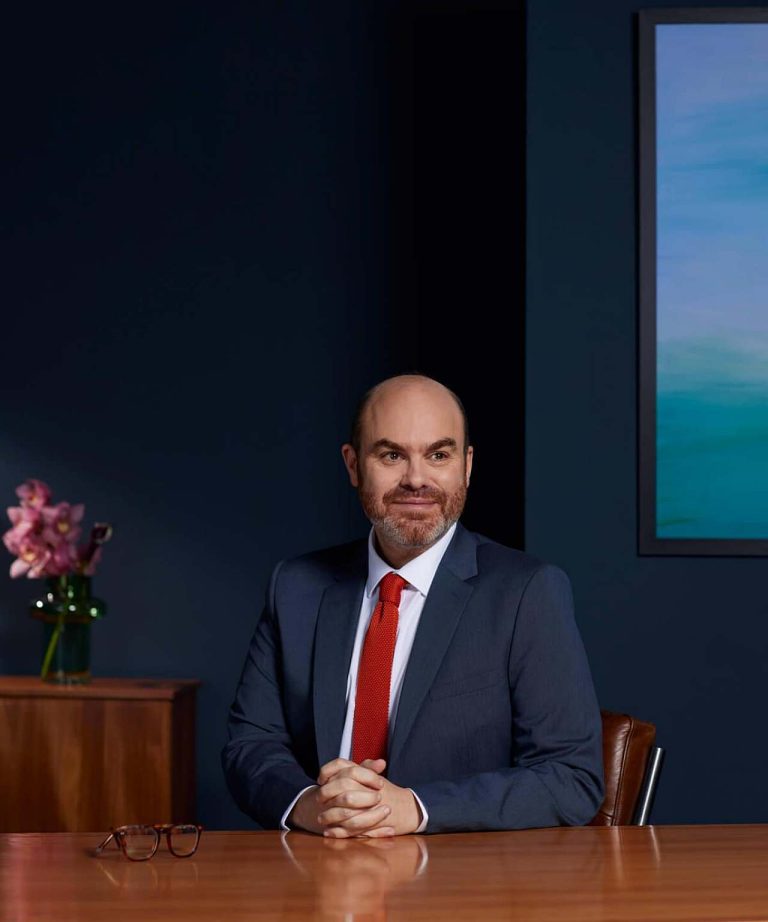
Mark McKeown, legal director at Turcan Connell, is an adviser to a number of charitable trusts linked to family offices.
“While Scotland has a proud tradition of giving, the landscape has shifted markedly in recent years and the challenges faced by the Sir Thomas Lipton Foundation are emblematic of a wider issue across Scotland’s third sector. There is now a need for charities to navigate an increasingly competitive and evolving philanthropic scene.”
He says philanthropy is becoming more strategic, more outcome-driven and in many cases more selective.
“High-net-worth individuals and family offices are no longer simply writing cheques, rather they are seeking measurable impact, clear governance and alignment with their own values. For smaller charities in particular, this presents both an opportunity and a challenge.”
Philanthropic funders want to see a compelling story but also a credible plan. They are asking: what difference will this make, and how will you prove it?
Long-term, lasting social change
For organisations such as the Sir Thomas Lipton Foundation, the nature of whose work is experiential and long-term, demonstrating impact is not always easy.
“The benefits of building confidence and inspiring ambition in young people may take years to fully materialise. These are, however, precisely the kinds of outcomes which resonate with donors looking to create lasting social change,” says McKeown.
To attract major philanthropic support, charities must increasingly think beyond traditional fundraising. Building relationships is key, which means identifying potential supporters whose interests align with the charity’s mission and engaging them over time.
Visibility also matters
- Mark McKeown
“Visibility also matters,” says McKeown “A strong narrative, supported by tangible examples, can help bring a charity’s work to life.
Partnerships with respected institutions can also enhance credibility. There is, in addition, a growing recognition that philanthropists are drawn to organisations that are ambitious.
“Rather than simply seeking to sustain existing programmes, charities that articulate a clear vision for growth are often better placed to secure transformational donations.”
In Scotland, where the philanthropic community remains relatively close-knit, reputation and trust are paramount.
“For charities willing to engage in trusted partnerships, to adapt, communicate their impact and think strategically, there remains significant potential to unlock new sources of support,” says McKeown.
