Home > *Featured > LEGAL REVIEW: Leadership — Summit of ambition
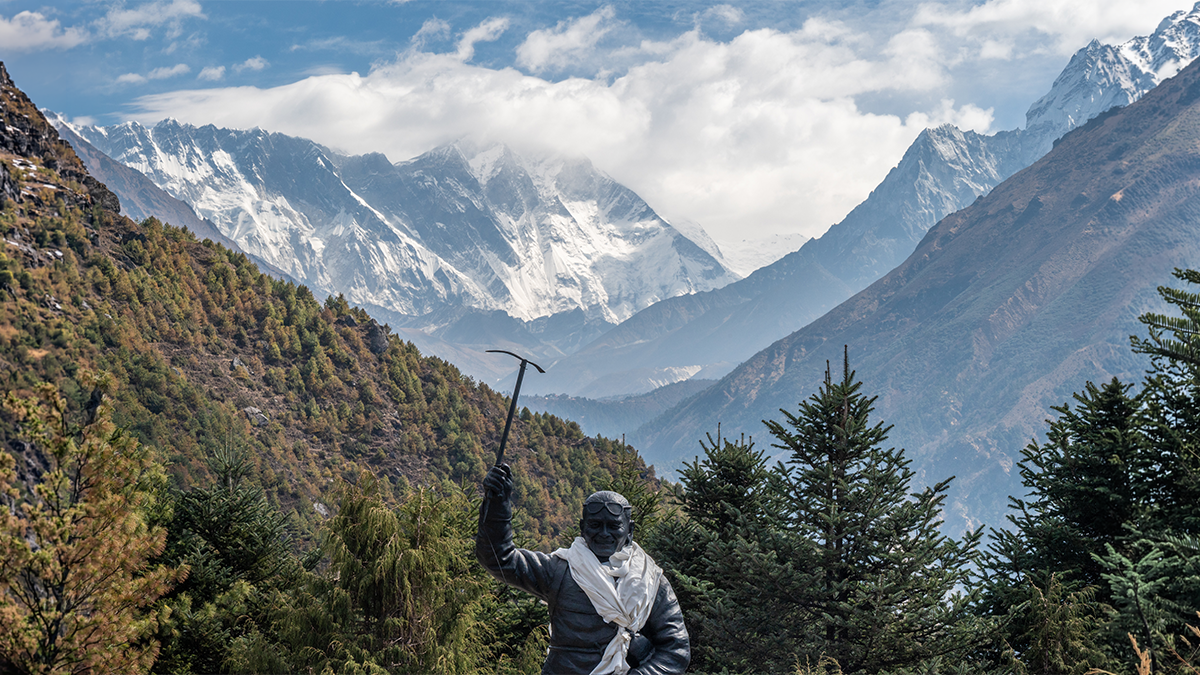
The quiet resolve and untiring strength – shown by Tenzing Norgay in Nepal – can be key to reaching the top safely in other parts of the world. Picture: boyloso/Adobe Stock
Leadership – particularly in times of crisis – needs to be about building and holding onto trust’
The quiet resolve and untiring strength of Tenzing Norgay on the ascent of Mount Everest in 1953 has been brilliantly captured in the latest film Tenzing.
When Norgay, a Nepalese-Indian national, took on the arduous task of supporting attempts to climb the world’s highest peaks, he faced resistance from other sherpas because he was an ethnic outsider.
However, his fortitude and strong Buddhist faith prepared him for leadership in the unpredictable environment of the Himalayas.
Norgay’s commitment and strength saved Edmund Hillary, his partner in reaching the summit, when the New Zealander fell into a deep crevasse. The film shows the resilience of a human pushed to the very limits of life.
Leaders of every generation have witnessed the world changing over the course of their careers. But in 2026, the convergence of geopolitical uncertainty, technological disruption and shifting workforce expectations presents a particularly complex set of challenges
Today, executive coaches and business leaders are increasingly examining the lives of those who have overcome massive mental and physical boundaries to reach the pinnacle of their activities.
Didier Marlier, a leadership expert and author of Engaging Leadership, who teaches at many of the leading European business schools, says: “Great leadership in times of crisis or uncertainty is characterised by humility, transparency and a willingness to admit vulnerability.”
In a VUCA world of volatility, uncertainty, complexity and ambiguity, leaders must avoid thinking they have the complete answer or that there are easy solutions.
Leadership in times of crisis is about ‘avoiding false claims’ and clearly explaining any changes in direction or strategy. In essence, it is about building and holding onto trust.
Leaders must avoid thinking they have the complete answer or that there are easy solutions
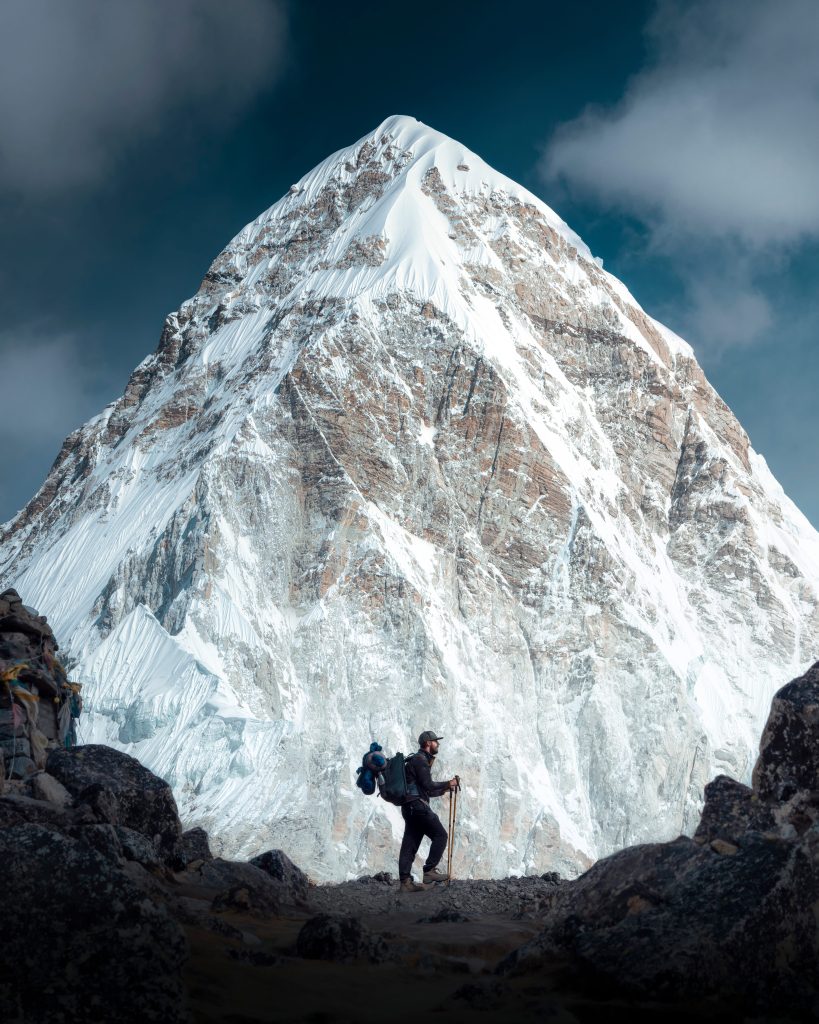
A view of Mount Pumori, on the Nepal–China border, as a mountaineer makes the arduous ascent to base camp of Mount Everest in the Himalayas, a metaphor for leadership. Picture: MarinaTP/Shutterstock
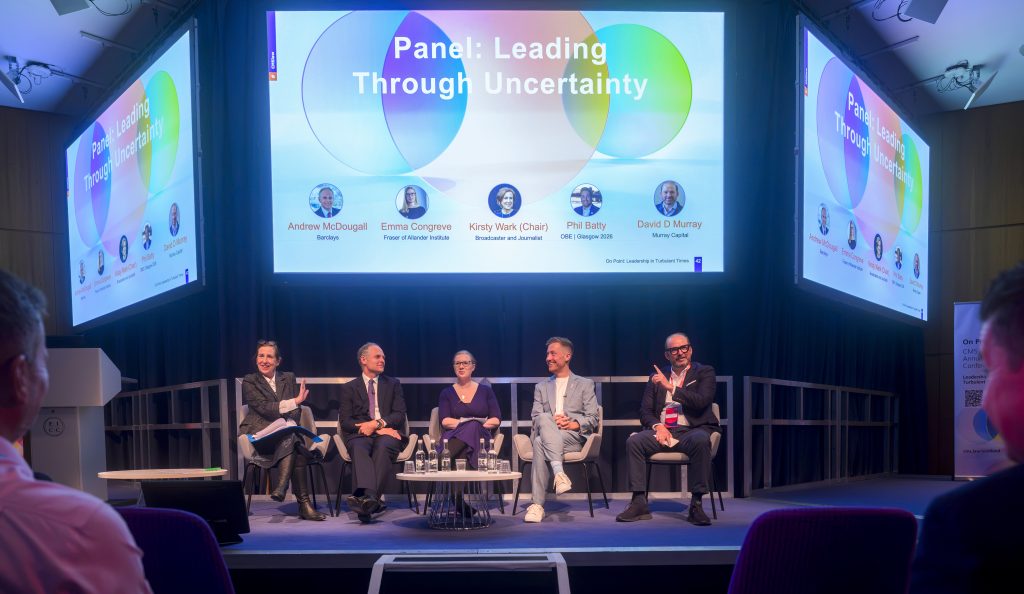
The CMS On Point Business Conference highlighted how confidence and enthusiasm are powerful assets. Picture: Phil Wilkinson/CMS
Six themes emerged from this report, Leadership in Turbulent Times. Leaders described a clear shift away from leadership based primarily on seniority and technical expertise towards a broader set of skills and greater self-awareness, which include adaptability, a willingness to keep learning, strong communication and influencing skills. [Read the Executive Summary here]
Despite technological change, participants consistently emphasised that the fundamentals of leadership remain distinctly human. The qualities most commonly identified included the ‘soft skills’ of communication, emotional intelligence and empathy.
Another theme was how fire and police officers react to emergencies. Several leaders described those with the greatest potential as people who are willing to “run towards” difficult problems rather than away from them.
Furthermore, the need for resilience, both personal and organisationally, were essential for the businesses to not only survive disruption, but to thrive and grow stronger.
These are critical keys to be able to surmount the Everest-size challenges that leaders are now facing.