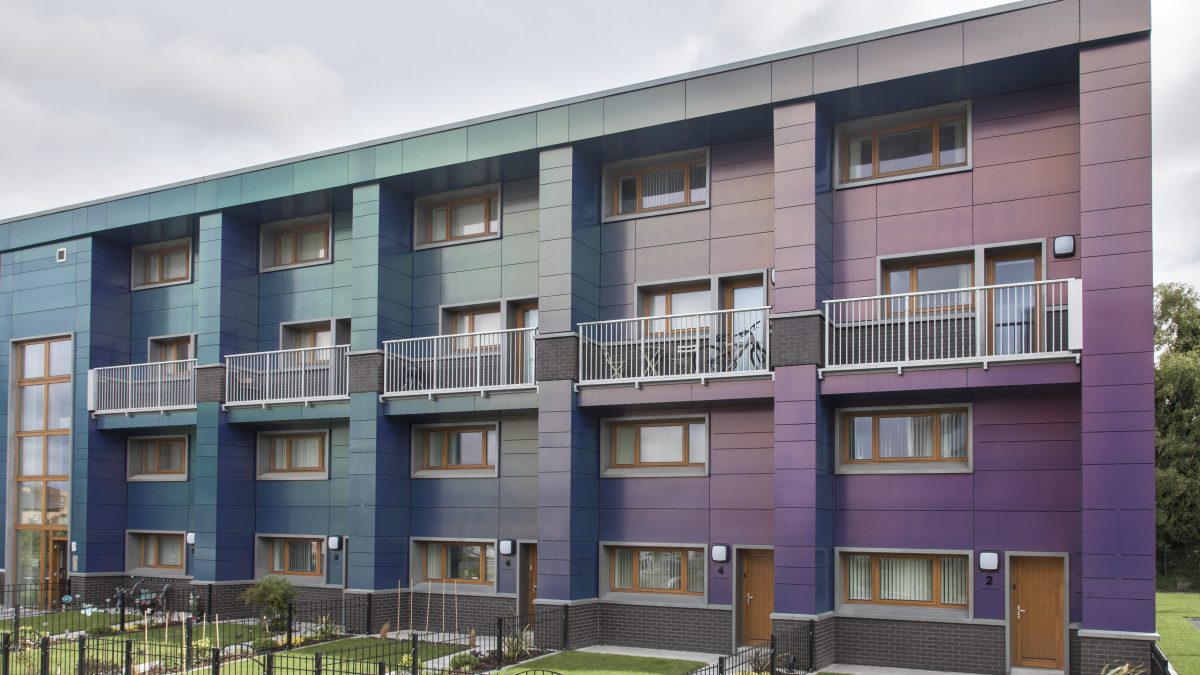
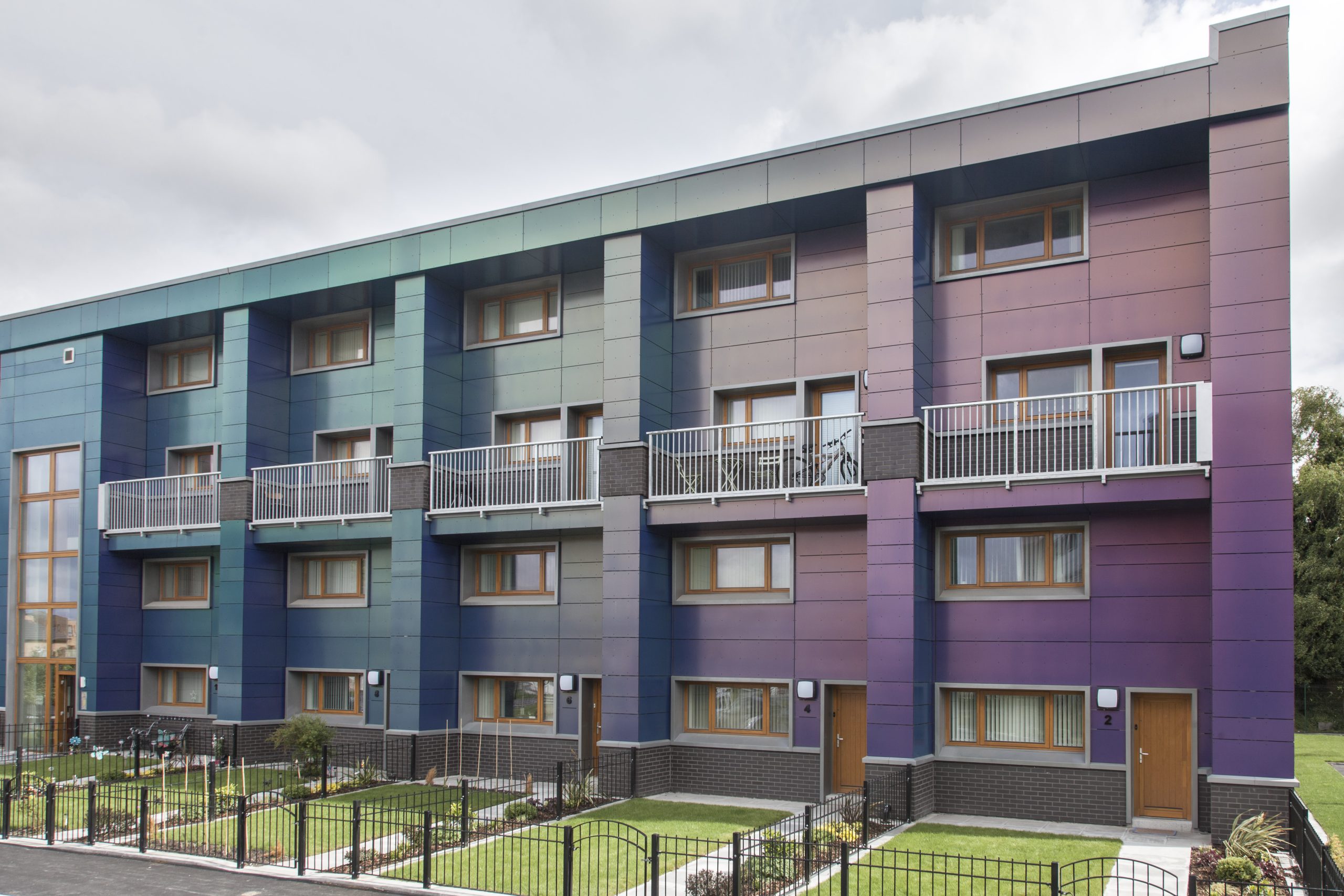
Another measure causing anxiety is the proposed introduction of a Scottish equivalent to the Passivhaus standard.
Passivhaus homes have higher levels of insulation designed to eliminate fuel poverty, reduce rent arrears and achieve zero carbon targets. However, critics say that the building costs are substantially more.
Leslie says: “While this has been under consultation since 2023, the proposals are now gathering pace and, if introduced, could add significantly to the cost of building new homes.
“These costs would come on top of an already substantial regulatory burden, with Homes for Scotland estimating that regulatory changes introduced since 2021 have added around £37,000 to the cost of delivering each new home in Scotland.”
Scotland will not be able to resolve the housing emergency without addressing the viability of new development.
“With the Scottish Government’s target of 110,000 social and affordable homes projected to be missed by nearly a third, reducing the cumulative regulatory burden is one area where government could make a meaningful difference with relative ease.
“With particular reference to the proposed Passivhaus equivalent, new-build homes in Scotland are already the most energy efficient in the UK, with homes built on the current regulations meeting extremely high standards – it is not clear that the proposed changes will provide a noticeable benefit to homeowners.”
Homes for Scotland and the Scottish Federation of Housing Associations have warned that further regulation could undermine housing delivery.
“This combined with the potential impact of new measures suggests that the government must listen to the industry and ensure new requirements do not further constrain development at a time when Scotland urgently needs more homes. Action is urgently required to avert a continued worsening of the housing emergency.”
In response, the Passivhaus Trust says: “The Passivhaus standard is defined by clear performance and comfort criteria, developed and rigorously tested over more than 30 years through application, research and post-occupancy evaluation across different building typologies and climate zones.
“While elements of the proposed Scottish standard are aligned with Passivhaus principles, it should not be described as ‘Passivhaus equivalent’ until its performance in practice, and any unintended consequences arising from differences in performance and comfort criteria, have been demonstrated.”