

There is much more to top-end tourism than simply the number of stars
Tourists spent £10.8bn in Scotland in 2023 according to Scottish Government statistics. And that spending – by overseas and domestic visitors – accounts for approximately 6 per cent of the value of Scotland’s entire economy, supporting 245,000 jobs and 16,045 businesses.
Although no statistics are published, it can be estimated that about a third of the total was spent in the luxury sector.
“There isn’t a definitive figure of the value of the luxury tourism sector for Scotland,” explains Chris Greenwood, senior research fellow at the Moffat Centre for Travel and Tourism Business Development at Glasgow Caledonian University. “A study from 2022 estimated that UK luxury tourism represents £25bn to £30bn in tourism revenue, which is about a third of the UK’s overall domestic and international visitor spend. It is therefore estimated that for every £3 spent by tourists in the UK, £1 is spent by the high-end luxury tourism sector.
“To apply this to Scotland, where total visitor expenditure for domestic and international overnight tourism is around £10.8bn per annum – the value of luxury tourism in Scotland would be £3.6bn.”
A key element of that high-end tourism is the accommodation. But defining what constitutes a luxury hotel is not as simple as counting the stars. For one thing, official stars don’t really exist any more – and, at the same time, the internet is awash with them.
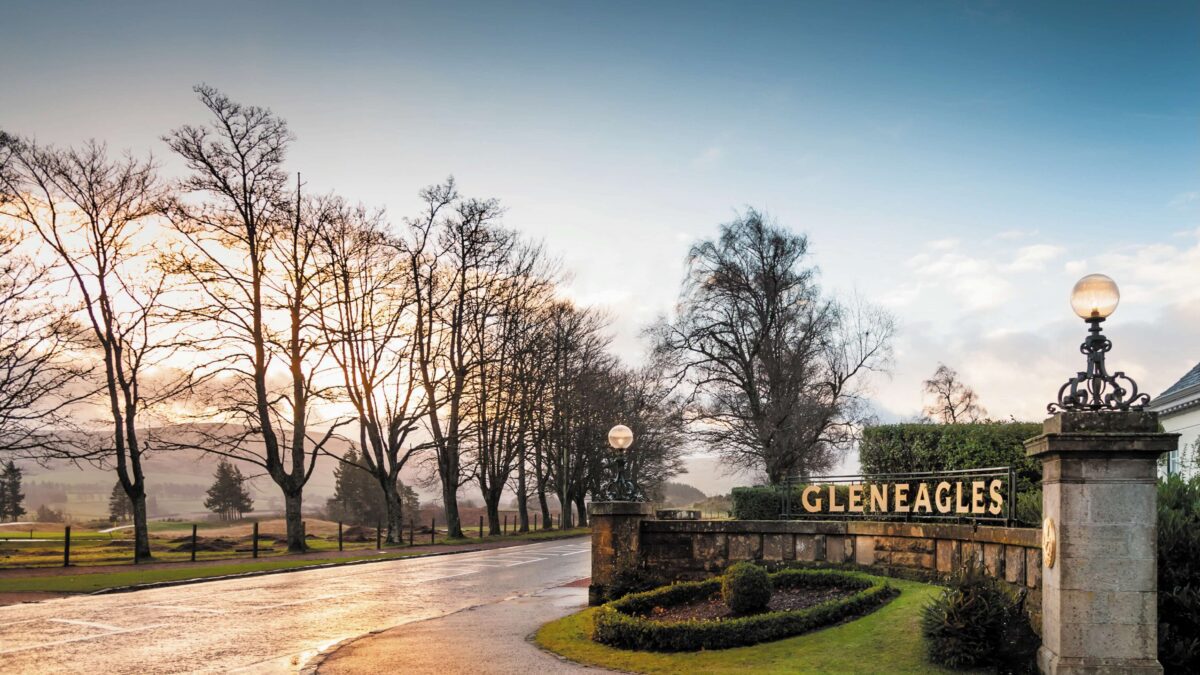
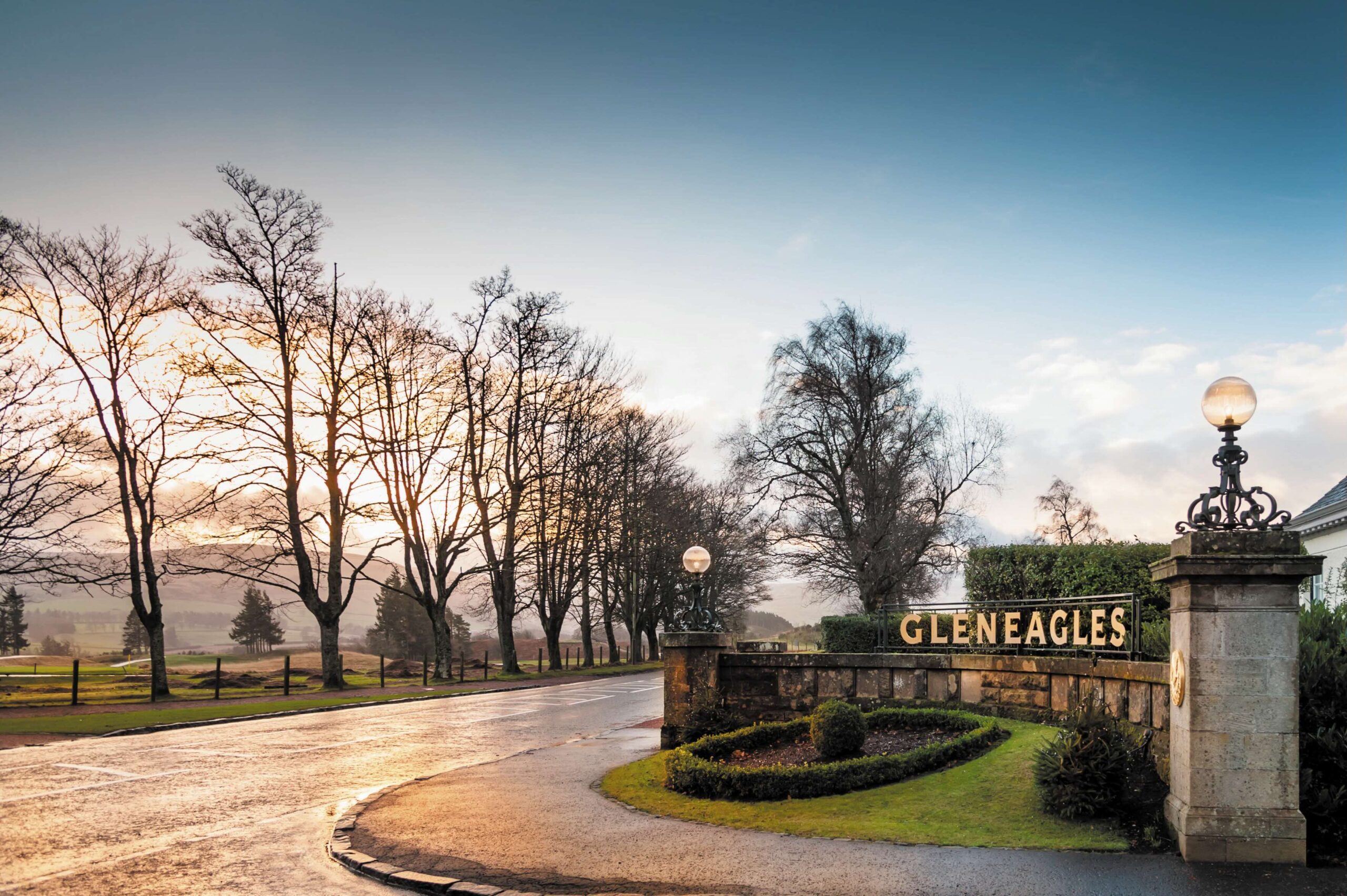
We can all name the top hotels – Gleneagles, the Balmoral, the Fife Arms in Braemar, the Torridon, and so on … but where do you draw the line?
Greenwood helps: “Luxury tourism, as defined by UN Tourism (the United Nations specialised agency for responsible, sustainable and universally accessible tourism), is a type of travel characterised by high-end experiences, personalised services, exclusivity, and a focus on meaningful, often sustainable, aspects of the journey.
“Most recently, it’s not just about opulence; it emphasises quality, personalisation, and creating unique, memorable moments for the traveller.”
You can look at lists of hotels with stars and awards from a range of sources including Michelin, AA and Expedia. Consult TripAdvisor and it lists about 130 five-star places to stay in Scotland; Expedia returns 65 to 70 five-star hotels.
However, I estimate that there are probably only at the most 40 hotels in Scotland that you could classify as luxury. In addition, there are another 60 upscale hotels plus a handful of exclusive-use venues which are popular money-no-object destinations.
What the people I spoke to are confident about is that Scotland is a great proposition as a destination for high-spending wealthy tourists: our culture, history, activities, food and drink add up to a massive draw.
“Scotland’s luxury hotels will usually have beautiful locations, opulent interiors, exquisite fine dining experiences, high-end spa facilities, and exceed all expectations in comfort and service,” says Dr Majella Sweeney, senior lecturer in hospitality, tourism and events management at Queen Margaret University, Edinburgh.
Most recently, it’s not just about opulence; it emphasises quality, personalisation, and creating unique, memorable moments
– Chris Greenwood
“The addition of tailor-made and personalised services and activities has become increasingly important, such as concierge and butler services; golf activities; shooting and countryside pursuits; driving, boating and sailing adventures; spa experiences; and, of course, world-class dining options.
“Food is always key to the luxury hotel market, with all establishments providing fine dining and some Michelin-star restaurants.”
Greenwood agrees: “Today, it is about more than just luxury hotels and first-class air travel. It now means visiting extraordinary destinations and enjoying authentic and unique experiences. At the same time, every element of a luxury trip is delivered with a high level of personal service and comfort.”
This is underlined by a Visit- Scotland spokesman: “Luxury tourism is traditionally defined as unique and exclusive travel experiences that are driven by high-net-worth individuals.
“It is a small but lucrative market.
“Many of those individuals are found in some of our key markets, including North America, China, Europe and the UK as well, and as a destination of choice, Scotland is well-placed to attract these visitors.”
Greenwood adds: “Post pandemic, when travel reopened, the luxury market with its focus on personalisation, customisation and exclusivity, was able to provide accommodation and tourism services to wealthier clients willing to pay for the in-depth cleaning services, room service dining and a smaller overall capacity.”
Scotland’s international tourism industry rebounded quickly after Covid. And the numbers have held up. In its 2005-30 corporate plan, VisitScotland notes that 2023 was “an exceptionally strong year for international visits to Scotland, resulting in a 23 per cent increase in overnight visits and, critically, a 14 per cent increase in spend”.
It adds: “Scotland’s international tourism recovery outpaced our neighbours, as the only GB nation to recover to pre-pandemic levels. The US remained Scotland’s most valuable international market, followed by Germany and France.
“The removal of travel restrictions in China has also seen an increase in visitors from this market, with recovery expected to strengthen in the coming years.”
Moffat Centre research backs this up. “The luxury market continues to show growth,” says Greenwood. “In 2024, the luxury hotel market in Scotland saw average room rates and gross operating profits both increase. This is forecast to continue into 2025.”
One of Scotland’s attractions for wealthy tourists is intercontinental flights. Edinburgh airport set a record in 2024 with 15.8 million passengers and traffic up 50 per cent compared to 2019. With direct flights to Dubai, Beijing, Canada and the US, it makes an ideal gateway for luxury travellers.
Glasgow – once the intercontinental gateway of choice – intends to get back on track with the transformation of its main terminal building, part of a £350m investment by AviAlliance which completed the deal to buy AGS Airports (ie Aberdeen, Glasgow and Southampton) in January.
“Our goal is to regain share that we’ve lost to Edinburgh. We have the golden ingredient – demand, from the wider Glasgow catchment area,” said Kam Jandu, AGS chief executive, at the time. He also targeted securing more flights to Dubai and North America.
Once here, the wealthy wanderers will find plenty of choice in where to stay. The hotel segment of the commercial property market has seen long-term investment.
In recent years there have been high-end openings, particularly in Edinburgh including Gleneagles Townhouse, 100 Princes Street, W Edinburgh and the first Virgin branded hotel outside the US.
What actually makes a luxury hotel?
When money is no object, the bar is set high. On paper, a luxury hotel will have luxurious amenities, exceptional services and the finest dining.
Among the extras, guests might find a curated collection of malt whiskies in the mini bar, a personal butler, the services of a helicopter, or a guided overnight wander into the Highland wilderness complete with lochan-side campfire.
More often than not, if you can buy it, you can have it. But the ultra wealthy have probably seen it all before, so authenticity and unique challenges shine bright.
At the Fife Arms in Braemar, the hotel is an international art gallery, and you can take your tea under an original Picasso – or use it as a base to tramp the Larig Ghru, the
mountain path through the Cairngorms, to Aviemore.
What about the Links House in Dornoch, which is less than 100 yards from the first tee at Royal Dornoch Golf Course, and only an hour’s drive north of Inverness?
At the Monachyle Mhor, beside remote Loch Doine, you can now escape to the nearby hills with Eliza Brown, founder of RVIVAL, enjoy overnight rambling with former members of the Commandos, and then return to an award-winning restaurant famed for its local products.
At the Port of Leith, you can float in luxury on Fingal, the stylishly reimagined lighthouse ship, with the Royal Yacht Britannia as your neighbour in port.
At Cromlix House in Perthshire, the imprint of Scotland’s tennis champion Andy Murray and his wife, Kim, and family is all around.
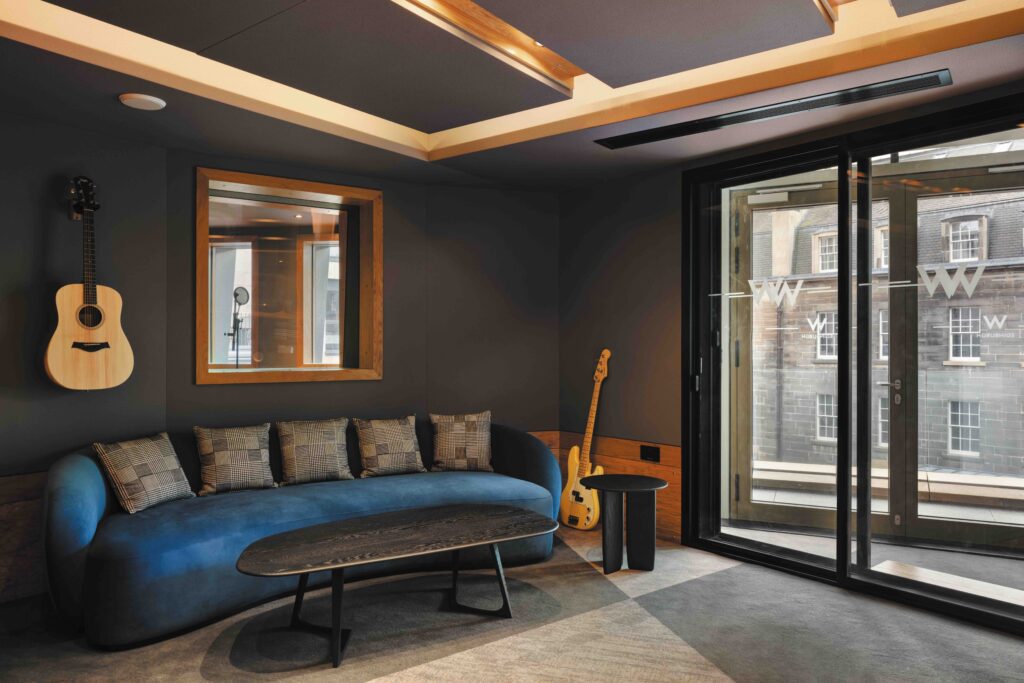
Musicians will appreciate the option to hire a fully-equipped recording studio at W Edinburgh.
The Sound Suite comes with Fender guitars, DJ systems, microphones galore and a Nord stage piano.
At the Three Chimneys on Skye, the world-renowned restaurant with rooms on the Minginish peninsula, you can enjoy drams from the gastro-distillery at Talisker, Skye’s oldest distillery.
Brett Davidge, managing director of The Wee Hotel Company, which also owns the Pierhouse Hotel at Port Appin, wants to “elevate the concept of gastro-distillery” on Skye.
The confidence in Edinburgh is highlighted by Andrew Pratt, a director in the UK hotels valuation team at Colliers.
“Around 450 new bedrooms opened in Edinburgh since late 2023, all aimed at the higher end of the market and of the 930 bedrooms currently under construction, around 25 per cent will be luxury hotels,” he notes.
“The recent sale of the W Hotel, for a price reported to be in excess of £100m, which reflects the highest value single asset sale of a hotel in Edinburgh ever, demonstrates the level of global demand and confidence for luxury products in Edinburgh.”
Another trend Pratt has seen is investment in property outside the Central Belt. “The Highlands and Islands have long been associated with high-end luxury goods and pursuits, such as whisky, golf and fishing, and as such are a popular destination for wealthy American and Asian tourists.
“I am currently seeing substantial investment across the regions with hoteliers keen to capitalise on the romanticised view of Scotland and robust international luxury travel market.”
Luxury hotels in Scotland are not immune to the elephants in the hospitality room: increased labour costs, staffing shortages, energy prices, inflation, international uncertainty and the imposition of a visitor levy.
However, management may be able to react differently. “The luxury market expects a certain level of service, therefore reducing staff may not be an option,” says Greenwood, who also points out those establishments may offer better pay and conditions to attract scarce staff, as good service is what is going to differentiate them.
With the visitor levy, he thinks it’s not something that would put off international high net worth individuals. “If you take the US market, for example, there is an expectation that there will be additional taxes put on top of the rate anyway, so I don’t think that will put them off.”
However, the tourists who have been “trading up” their travel may drop to a lower price point.
“The people who see it as a once-in-a-lifetime trip has been a feature of where the market has been going recently. In contrast, high-net-worth individuals have been pretty immune to the cost-of-living crisis,” says Greenwood.
