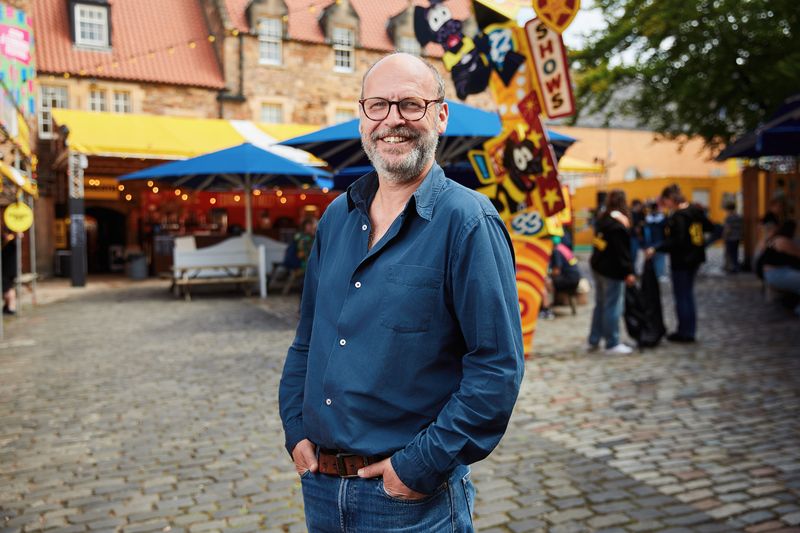
Sustainability in the performing arts is often discussed purely in financial terms, but for organisations such as the Pleasance, it is also about maintaining cultural relevance, artistic vitality and human connection over the long term.
Financial resilience matters enormously, but audiences do not fall in love with budgets or business plans. They fall in love with experiences that move them, surprise them and perhaps most importantly in an increasingly fragmented world, bring them together for a shared experience.
Festivals matter so profoundly because they create temporary communities where strangers gather with openness and curiosity, discovering artists and ideas together in real time. In a culture increasingly shaped by algorithms, festivals remain gloriously communal and unpredictable.
They encourage serendipity, conversation and shared memory. People arrive not simply to consume entertainment, but to participate in something collective and unique.
For this reason alone, the Edinburgh Festival Fringe continues to feel so essential.
At the Pleasance, sustainability depends on continually renewing that sense of discovery. Audiences buy tickets because they trust they might encounter something unexpected. That only happens if the Pleasance is prepared to support emerging artists, risky ideas and unconventional voices. Innovation cannot be treated as an occasional add-on; it is the very heart of the ecology.
There will always be tensions between commercial pressures and creative ambition. Commercially popular productions sit alongside brand-new work and allow us to invest in artist development and experimentation, because the pursuit of commercial certainty alone encourages caution.
If every programming decision is driven solely by familiarity and market predictability, the theatre will lose its unpredictability. This is what makes it distinct.
The challenge is not choosing between commercial success and creative innovation, but recognising that they depend upon one another. Audiences may initially come for recognisable names, but they remain loyal because they continue to feel surprised, challenged and connected.
Long-term sustainability comes from building trust with audiences while constantly replenishing the artistic ecosystem with new energy, new stories and new voices.