Scotland has an industrial heritage that many countries would envy, but its greatest value lies in what we do with it next.

Generations of expertise in engineering, manufacturing and energy have given us skills and capabilities recognised around the world.

As industries develop and evolve, we have an enormous opportunity to put that experience to work in new ways.

I’ve seen the value of that experience through ASCO, which has grown from its North Sea roots into a global business operating across more than 70 locations.

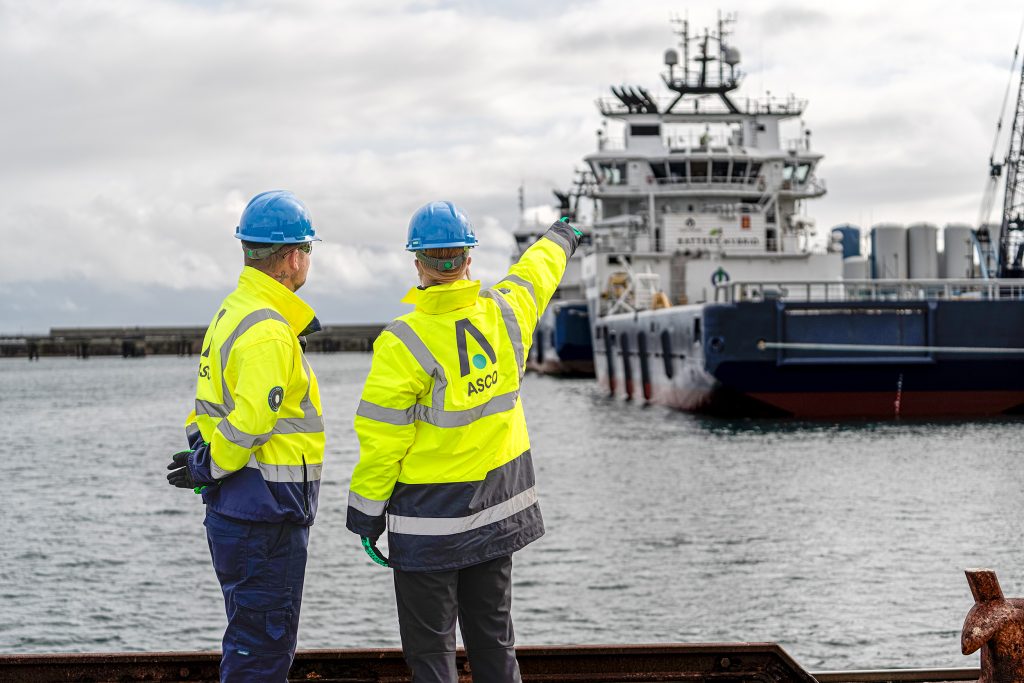
Almost 60 years working in demanding, safety-critical environments has taught us a great deal about managing complexity, whether that’s ensuring critical equipment arrives on time, co-ordinating vessels and freight or managing materials across large industrial operations.

With continued uncertainty in energy markets, diversification is understandably high on the agenda for Scottish businesses. But we’re sometimes too focused on where we need to go next, rather than recognising the value of what we already know. 

Defence is a timely example of how Scotland’s industrial expertise can be applied in other markets. The UK’s £26bn investment in naval infrastructure will see major upgrades to docks, engineering facilities and supporting infrastructure.

Delivering these improvements across complex, operational naval bases calls for careful logistics planning, reliable supply chains and effective materials management, all areas where Scotland has decades of experience through the energy sector.

Diversification isn’t simply about entering new markets; it’s about understanding where existing expertise can solve problems. We’re seeing that across the industries ASCO supports. Aluminium manufacturers need to balance stock availability with working capital, while poor inventory visibility can leave millions of pounds sitting on shelves.

Offshore wind developments face complex decisions around ports, vessels, infrastructure and project schedules.

Even our environmental services expertise is being applied in very different settings, from offshore decommissioning to managing waste from cosmetic manufacturing.


Different industries, but opportunities to put established expertise to work in new ways

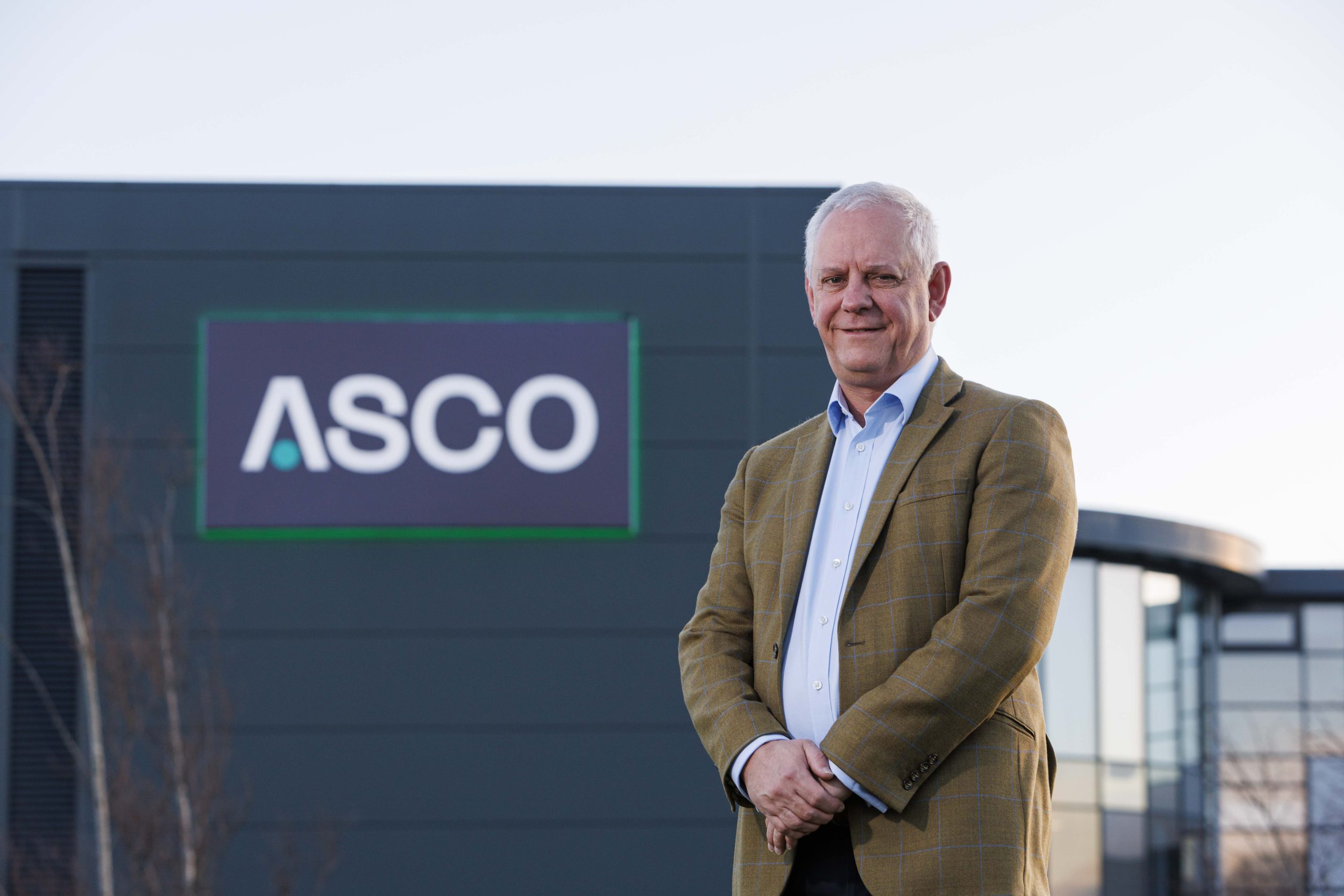
ASCO is investing in its materials, cargo, quayside and transport management capabilities. Picture: Andrew Godfrey

Different industries, but opportunities to put established expertise to work in new ways.

There’s also a huge opportunity to do more through technology, which is why we’re investing millions in digital, artificial intelligence and automation.

We are not starting with a blank screen. Our integrated logistics management system already connects materials, cargo, quayside and transport management, supported by round-the-clock operational control centres in the UK and Norway.

The investment will bring those capabilities closer together and help us take them into more markets.

For a pulp and paper manufacturer, our digital and operational transformation programme identified £10m in inventory optimisation savings.

In offshore wind, we have modelled more than two million vessel movements to inform supply chain and infrastructure planning. We delivered £36m in inventory savings for a North Sea operator.

Different industries, different operating demands, but a common opportunity to make better use of materials, information and infrastructure.

Of course, none of this happens without experienced people who understand the industries they’re working in.

Yet while we talk a great deal about the new skills Scotland needs for its industrial future, are we making enough of the expertise we already have?

An experienced lifting specialist doesn’t suddenly lose their competence because they move from an offshore installation to a defence or infrastructure project.

Different industries have their own requirements, and rightly so, but we should be making it easier to recognise existing skills rather than putting unnecessary barriers in people’s way.

Through our training and solutions, we see how much can be achieved by building on that experience. If we’re serious about diversification, we need to get better at helping people make those transitions.

Scotland’s long industrial heritage can be its superpower.

The task for business leaders is converting that experience into a competitive advantage.

Mike Pettigrew is Chief Executive Officer at ASCO
This article is featured in the Winter Edition of The Business magazine published on 29 November 2026 in association with The Sunday Times Scotland.

Partner Content in association with ASCO