
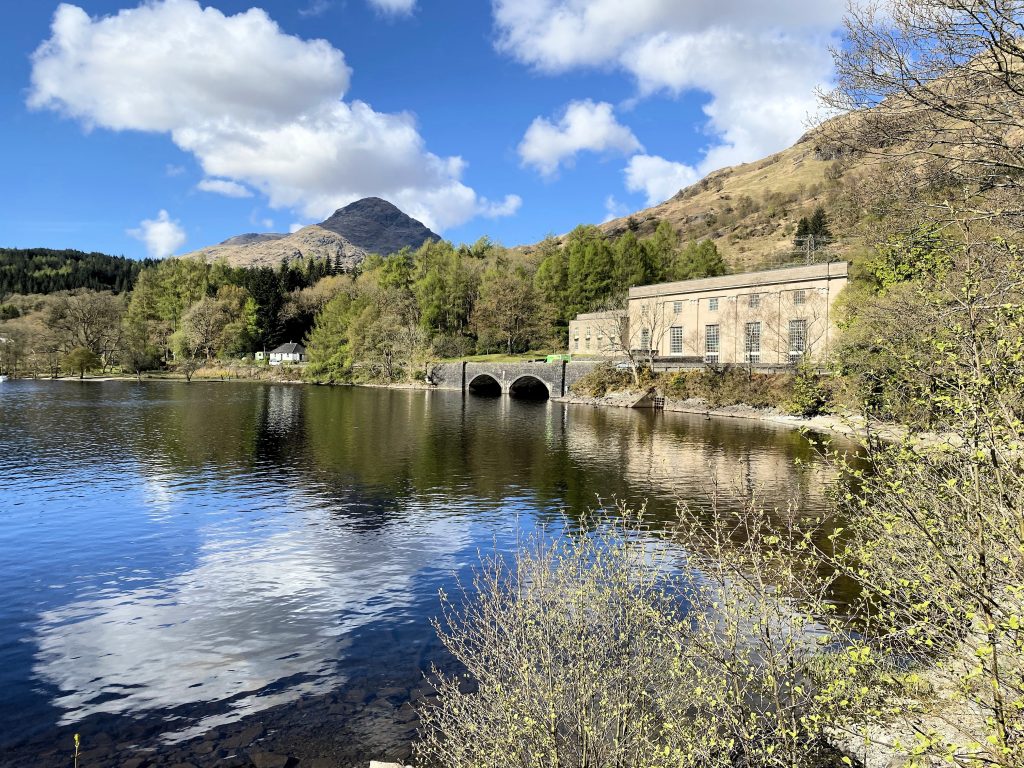
Pumped storage, major investment and a growing supply chain could put Scotland at the forefront of the next generation of hydropower
Scotland has a long-standing relationship with hydropower. For generations, its lochs, rivers and mountainous terrain have been harnessed to generate electricity, helping establish a renewable energy industry long before today’s net zero ambitions. Is this legacy the key to unlocking the energy system of the future?
The hydropower sector is entering a period of investment that hasn’t been seen for more than 40 years, and Scotland has a great opportunity to pioneer the sector once again by utilising existing hydro assets with pumped storage being a critical component. SSE’s Sloy Power Station secured planning consent in July to convert the facility into a pumped-storage scheme, while Drax is improving its existing pumped-storage asset and progressing plans for expansion at its Cruachan site. Alongside this, there are three major new projects in the pipeline, SSE’s Coire Glas, Earba, being developed by Gilkes Energy, and Statera Energy’s Loch Kemp. The combination of historic power stations and new infrastructure demonstrates how Scotland is capable of supporting a much more flexible electricity system, but the challenge ahead is moving all of these projects to the next phase, with policy, finance, contracting and supply chain all needing to align before projects can reach Final Investment Decision.
Smaller scale schemes are also helping communities. A £3.4 million hydro energy scheme at a Scottish Water site in Loch Carron in Stirlingshire has reached a key milestone with the installation of the turbine. While not a pumped storage facility, it shows the increased need for integrated water and electric infrastructure. The turbine is powered by raw water flowing through it before entering the water treatment works at Carron Valley and connected to the new pipework that has been laid as part of the scheme. It is expected to generate around 0.56 GWh of renewable energy a year, meeting 16 per cent of the site’s power needs. By producing energy onsite, the scheme will help reduce reliance on external power sources, and lower operational costs. Developed by Scottish Water’s commercial subsidiary Scottish Water Horizons and delivered by contractor Emtec Energy, the hydro scheme will harness the site’s existing water flows to provide a reliable, low-maintenance source of energy.
Scotland has the water, the landscape, the expertise and an increasing need for longterm energy storage. The question now is whether it can turn its hydro legacy into the infrastructure of the energy future.
The opportunities are vast, with billions of pounds of investment expected to create opportunities across engineering, construction, manufacturing and the wider supply chain. To explore this opportunity further, join the British Hydropower Association at its Supply Chain Market Opportunity Event & Exhibition on 9 September. Find out more about the event here – https://british-hydro.org/event/large-scale-hydropower-supplychain-showcase/.