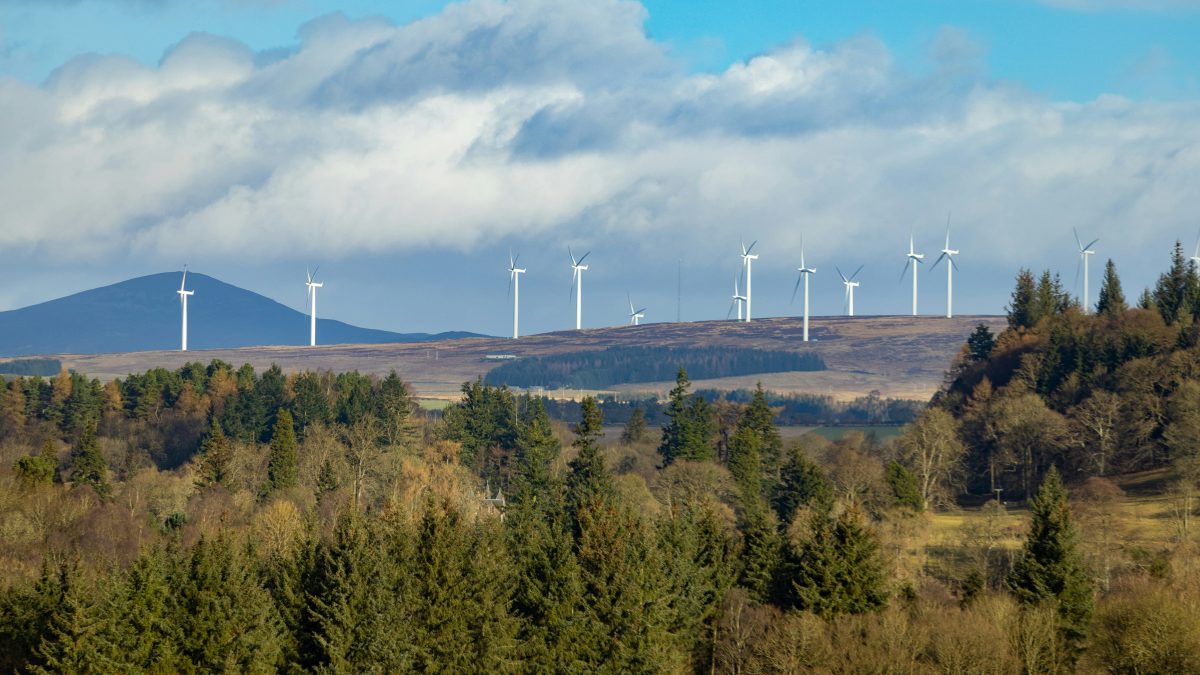
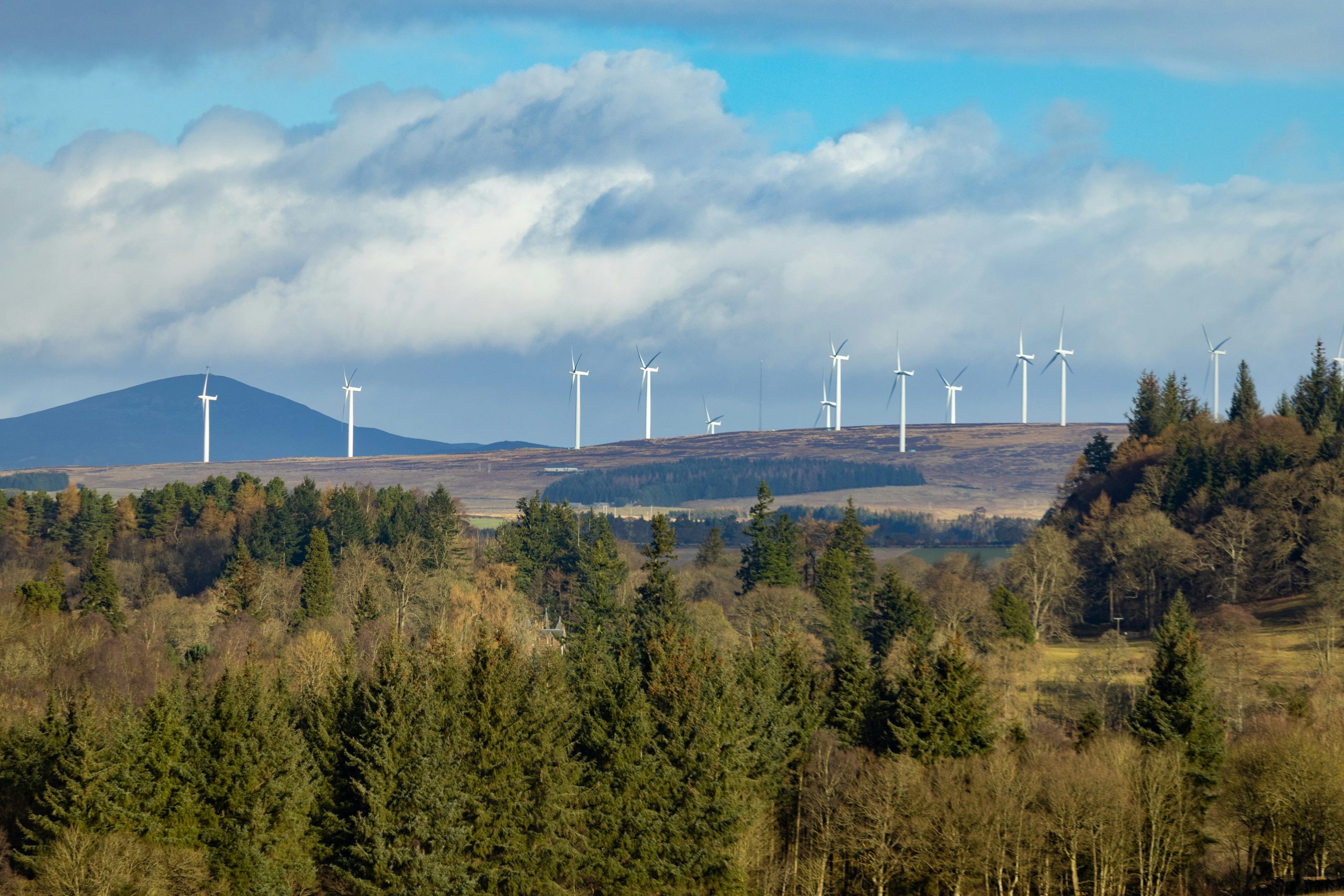
Scotland has spent decades establishing itself as a global leader in renewable energy. Our wind farms, hydroelectric schemes and growing solar capacity have created an extraordinary natural resource. Yet, despite generating more electricity than we can consume over the course of a year, we are failing to realise the full economic potential of the energy we produce.
The challenge is no longer simply how much renewable electricity we can generate, but how intelligently we use it. Our electricity system has traditionally been designed to transport power from where it is generated to where demand exists, often over considerable distances. When transmission infrastructure cannot accommodate that electricity, renewable generators are paid to reduce their output, while alternative generation is brought online elsewhere.
This represents an enormous, missed opportunity, both economically and environmentally. While continued investment in transmission infrastructure remains essential, we should also be asking a different question: what if, instead of continually transporting energy to industry, we brought more industry closer to the energy?
It is a relatively simple principle, but one with the potential to transform how countries manage their electricity systems. By combining renewable generation with energy storage and dedicated power networks, we could create developments capable of meeting their electricity requirements entirely through renewable sources, reducing reliance on the national grid and making better use of the power already being produced.
At Chapelcross, near Annan, we are developing CX Technology Campus to demonstrate how this approach could work in practice. Our proposed development has the potential to accommodate up to 1 GW of data centre capacity, powered by 100% renewable electricity through a dedicated private-wire network connecting wind, solar and biomass generation.
Our vision is for these renewable sources to meet the campus’s electricity requirements 24 hours a day, 365 days a year. Combining different renewable technologies would provide a more diversified electricity supply, with storage helping to manage fluctuations between generation and demand.
The innovation is not in any one technology, but in bringing renewable generation, storage and substantial industrial demand together at scale. By creating a more direct relationship between generation and consumption, developments such as Chapelcross could reduce pressure on transmission infrastructure, make use of renewable electricity that might otherwise be curtailed at great cost to the taxpayer and improve the commercial viability of renewable projects.
The significance extends far beyond powering data centres. If we can demonstrate that an industrial development at the scale of Chapelcross can be supplied reliably through renewable generation and storage, it could offer valuable lessons for how entire electricity systems are designed.
For smaller nations with sufficient renewable resources, the same principles could be adapted to meet national needs. By combining different sources of generation with storage and locating major electricity consumers closer to where power is produced, countries could develop systems capable of meeting their electricity requirements entirely through domestic renewables.
National networks would still distribute electricity to homes and businesses, but this approach could reduce dependence on imported fossil fuels, strengthen energy security and ease pressure on transmission infrastructure. The precise mix of technologies would differ between countries, but the underlying principle would remain the same: generate electricity from the resources available, balance supply and demand, and use that power as efficiently as possible.
There is also a compelling economic argument. Curtailment and the wider costs of managing increasingly complex electricity systems ultimately influence what households and businesses pay. Reducing these inefficiencies could lower system costs, creating opportunities for savings to be passed on to consumers through energy bills. Greater use of domestic renewable generation could also reduce exposure to volatile international fossil fuel markets.
Scotland also possesses another advantage that strengthens the case for locating energy-intensive industries: our climate. Data centres require substantial cooling, but our relatively low temperatures create opportunities to use naturally cold outside air instead of energy-intensive mechanical refrigeration. With appropriate design, facilities will benefit from predominantly free cooling for around nine months of the year, reducing electricity consumption compared with warmer locations, including southern England.
Of course, delivering and replicating such a model requires substantial investment, suitable sites, engineering and regulatory frameworks capable of accommodating developments of this scale. Ensuring reliable supplies during prolonged periods of low renewable generation is equally important. These challenges should not be underestimated, but neither should they limit ambition.
Scotland has the renewable resources, industrial locations and engineering expertise to demonstrate a different approach to generating and consuming electricity. Chapelcross offers an opportunity to bring these elements together at a scale that could have implications far beyond one development or one industry.
We have already shown what Scotland can achieve in generating renewable electricity. The next challenge is to demonstrate how we can use that power to its full potential. If we can prove that substantial industrial demand can be met reliably through renewable generation and storage, we could help establish a model for smaller nations seeking greater energy independence, stronger economies and more affordable electricity.
Scotland has the opportunity not simply to power its own future, but to help change how other countries power theirs.
Graeme Anderson will be speaking at The Business of Energy 2026. Full agenda and registration here.