In association with

One-day conference for professionals shaping Scotland’s energy future

1 December 2026

EICC | EDINBURGH

About

The programme will take a deep dive into the critical issues shaping Scotland’s energy future – from accelerating the clean power transition and unlocking grid capacity, to navigating the future of the North Sea and building the workforce the transition demands. With high-level perspectives from across industry, government and academia, the conference will focus on practical action to deliver Scotland’s energy ambitions at pace and at scale.

Featuring keynote speakers, leading exhibitors and hundreds of delegates from business, government and academia, this is a major Scottish forum for energy leaders in 2026. The programme is designed to reflect every perspective — from policy and regulation to investment, operations and skills.

The event will cut through political rhetoric to focus on delivery: grid infrastructure, skills and workforce, fiscal policy, renewables development, nuclear divergence, and how local and national leadership can work together to turn Scotland’s energy potential into delivered clean power.

Plenary Sessions

Breakout Sessions

 The conference will host three plenary sessions where we will focus on: i) The national grid and how it must keep pace with Scotland’s renewable ambitions; ii) Skills and Workforce gaps have emerged across the sector, creating a barrier to delivering major projects, who is responsible and what are their plans;  iii) UK and Scottish Ministers’ will outline their policies and plans to support industry, education and the wider energy infrastructure.

Delegates will choose to attend two  Masterclass sessions from: 

i) Hydropower & Pumped Storage, ii) Tidal Energy, iii) Battery Storage & Flexibility, and iv) Renewable-powered Data centresFollowing lunch and networking, delegates will choose to attend two Leadership Streams:  i) Revisiting Nuclear, ii) Investing in Scotland’s energy mix, iii) Maximising our renewables estate and iv) Bridging technology

Plenary Sessions

 The conference will host three plenary sessions where we will focus on: i) The national grid and how it must keep pace with Scotland’s renewable ambitions; ii) Skills and Workforce gaps have emerged across the sector, creating a barrier to delivering major projects, who is responsible and what are their plans;  iii) UK and Scottish Ministers’ will outline their policies and plans to support industry, education and the wider energy infrastructure.

Breakout Sessions

Delegates will choose to attend two  Masterclass sessions from: 

i) Hydropower & Pumped Storage, ii) Tidal Energy, iii) Battery Storage & Flexibility, and iv) Renewable-powered Data centresFollowing lunch and networking, delegates will choose to attend two Leadership Streams:  i) Revisiting Nuclear, ii) Investing in Scotland’s energy mix, iii) Maximising our renewables estate and iv) Bridging technology

HEADLINE SPONSOR

HEADLINE SPONSOR

Keynote speakers

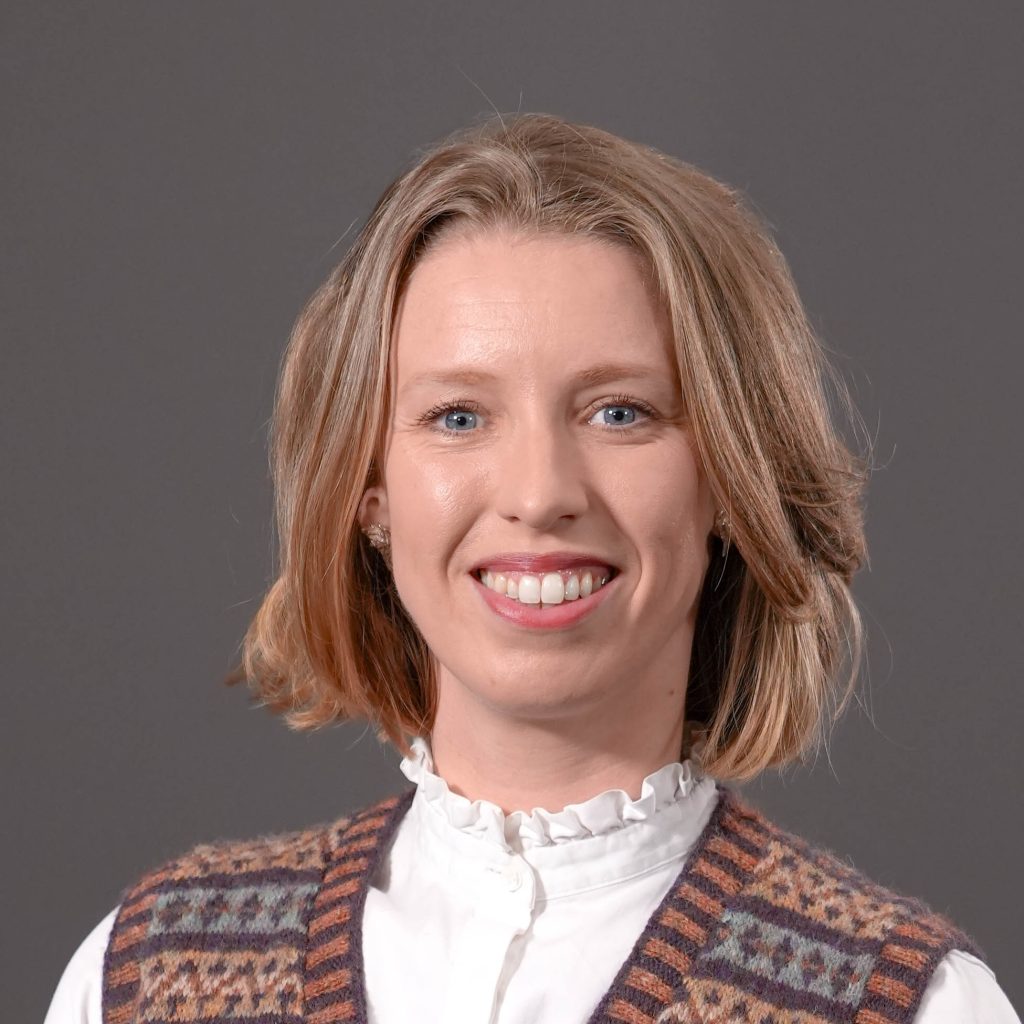
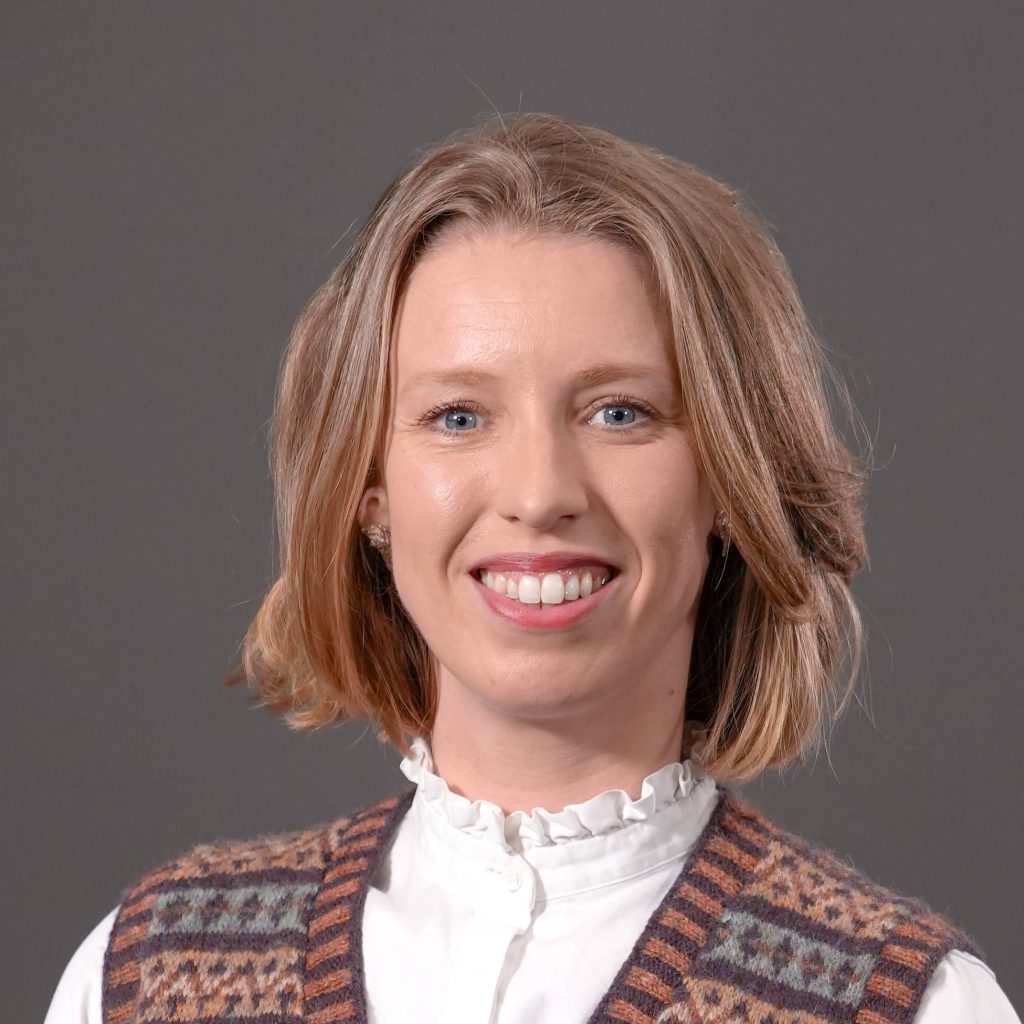
Hannah Mary Goodlad MSP

Minister for Public Finance

The Scottish Parliament

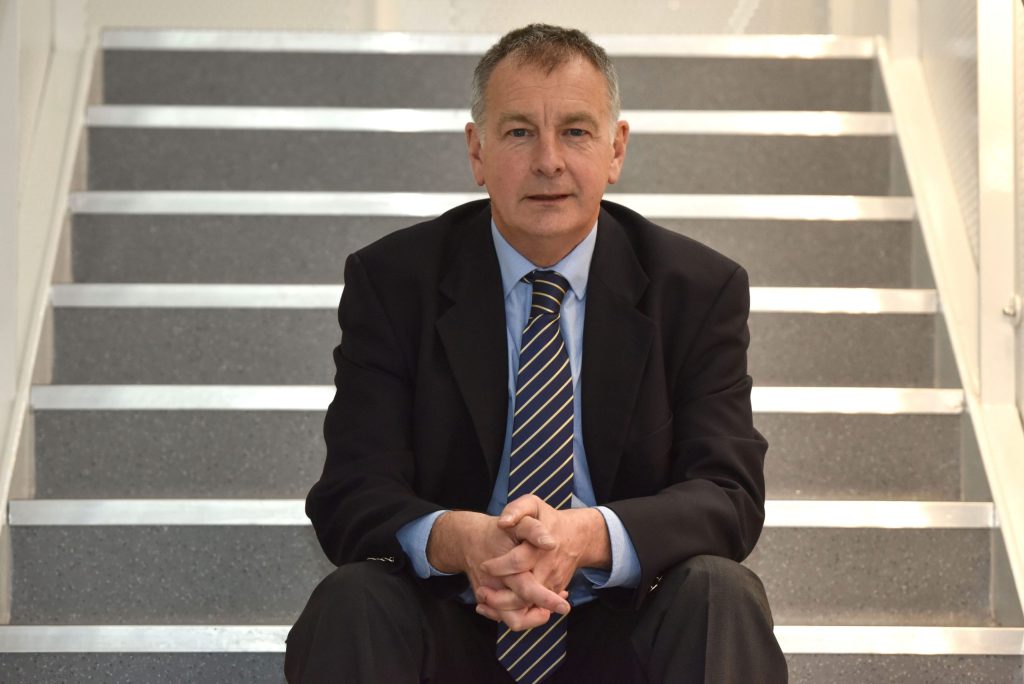
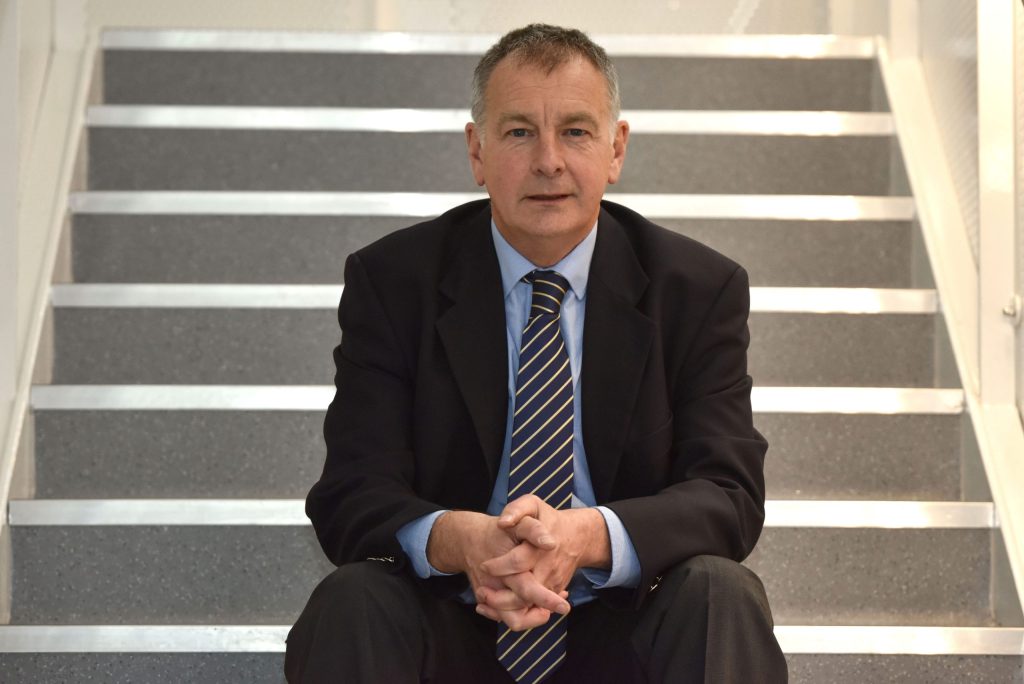
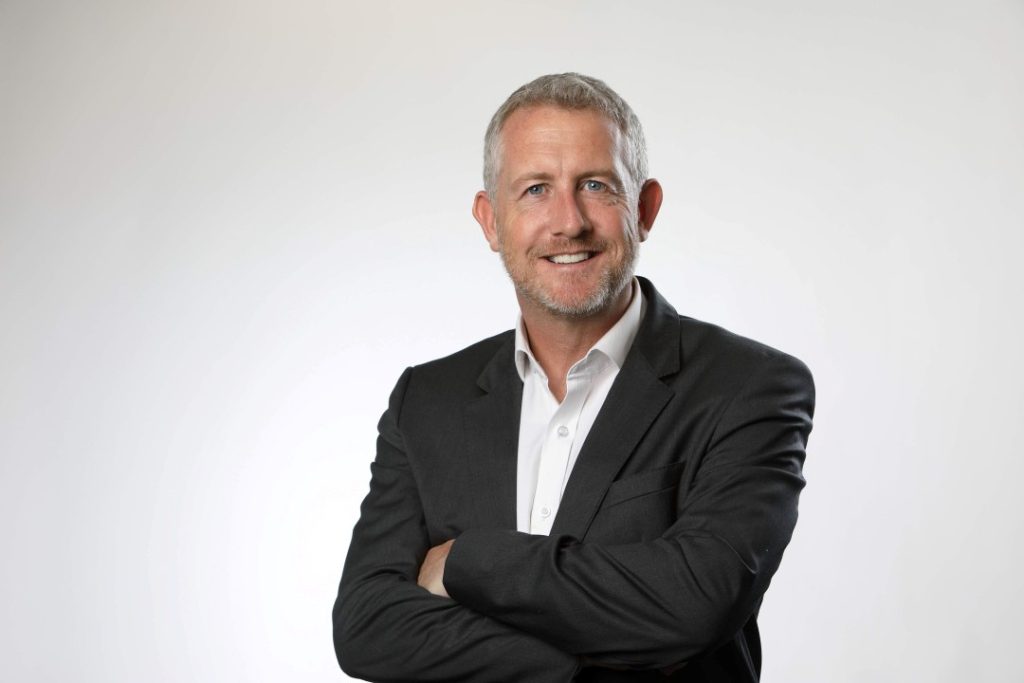
Prof. John Underhill

Interdisciplinary Director

for Energy Transition

University of Aberdeen

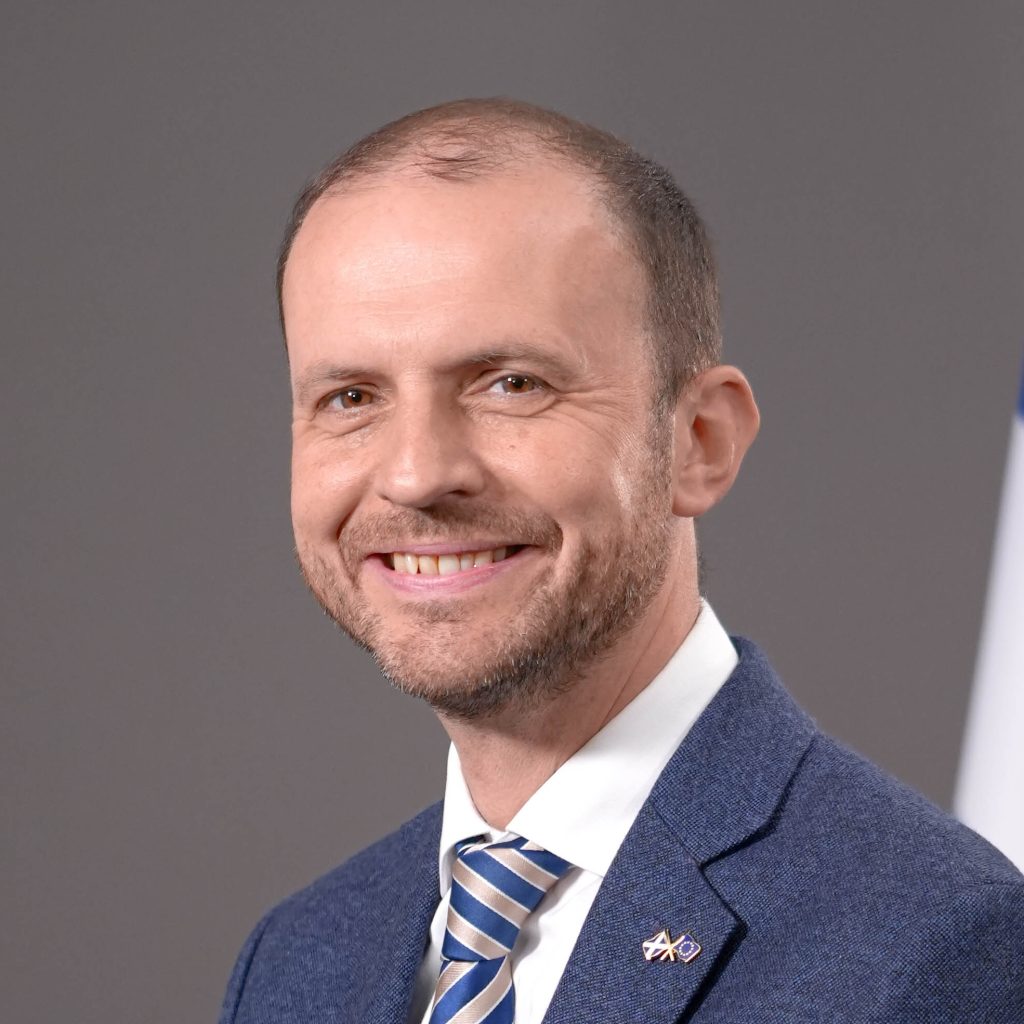
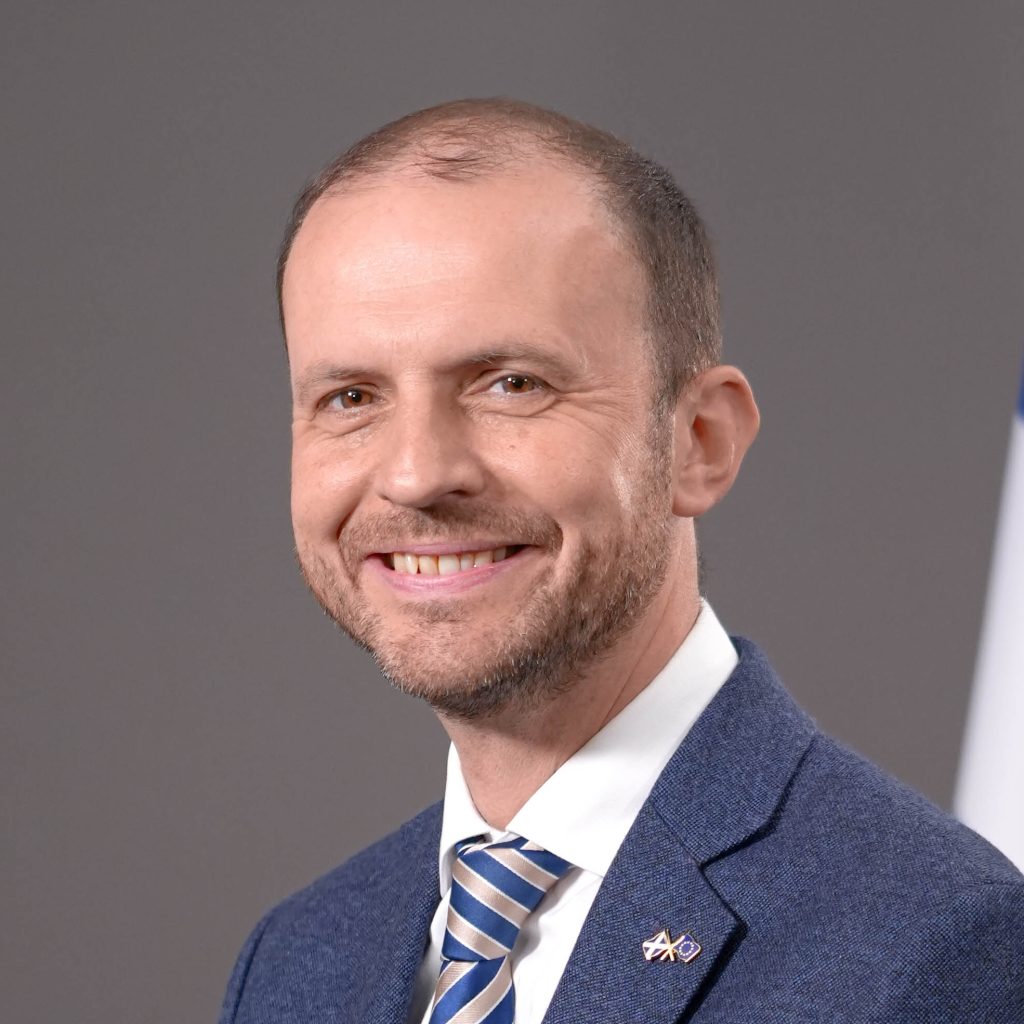
Stephen Gethins MSP

Scottish Liberal Democrats

Scottish Government

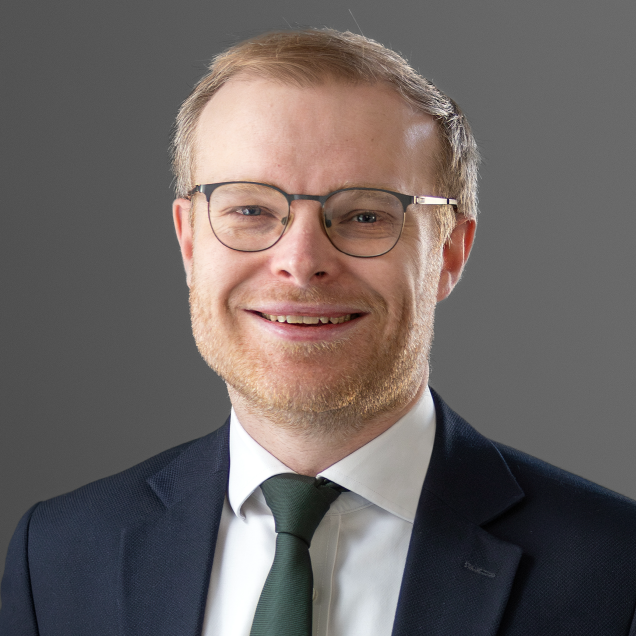
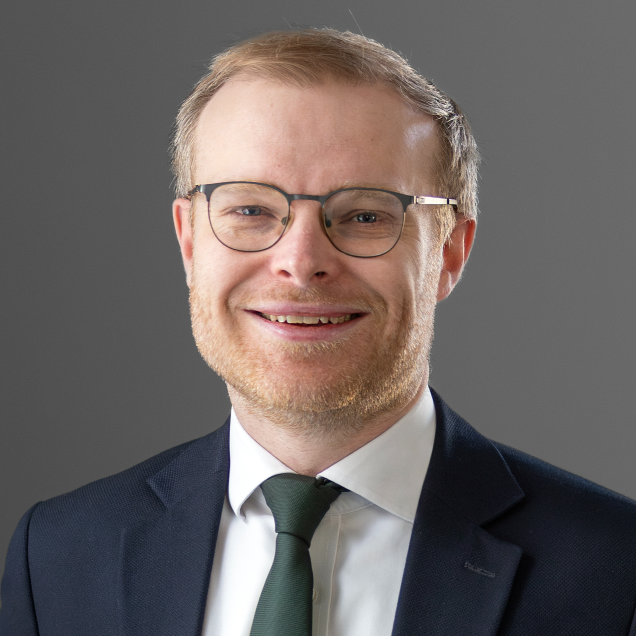
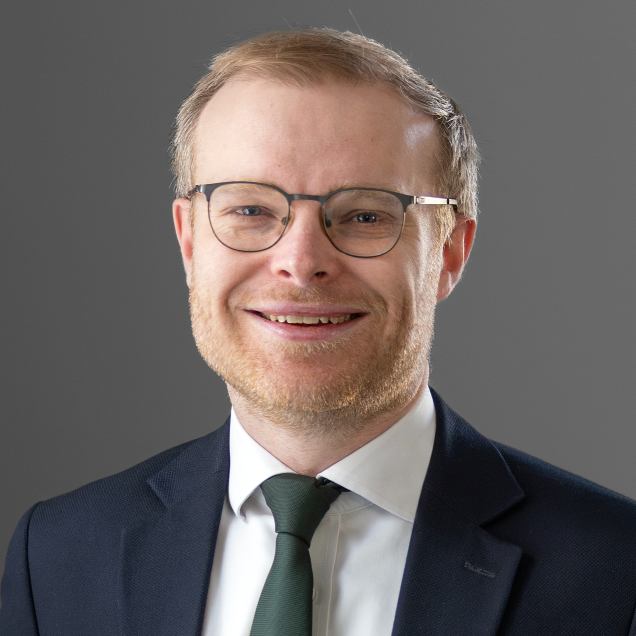
Michael Shanks MP

Minister of State (Minister for Energy)

UK Government

Confirmed Speakers

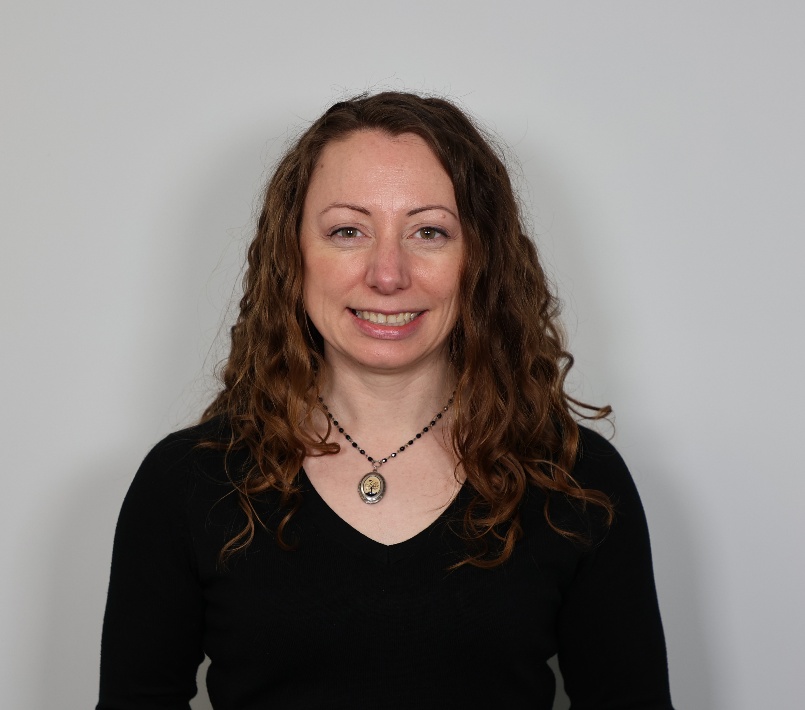
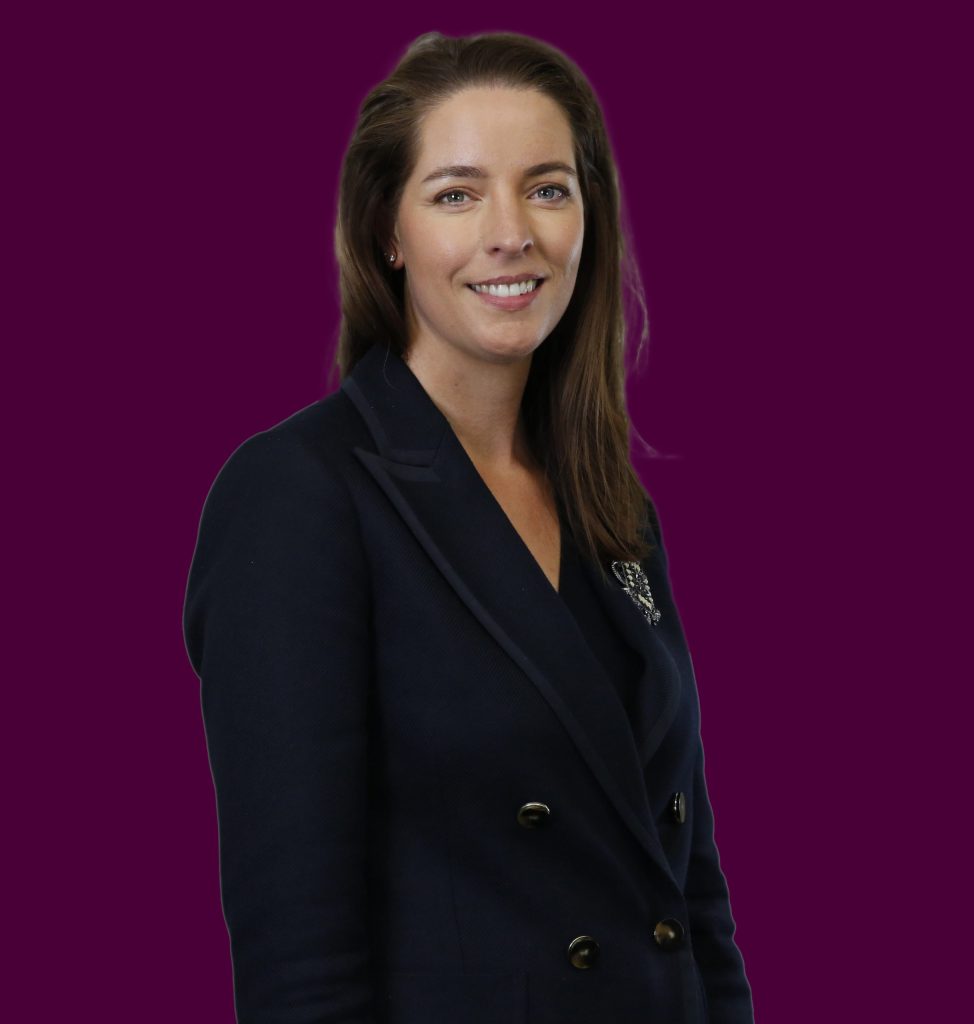
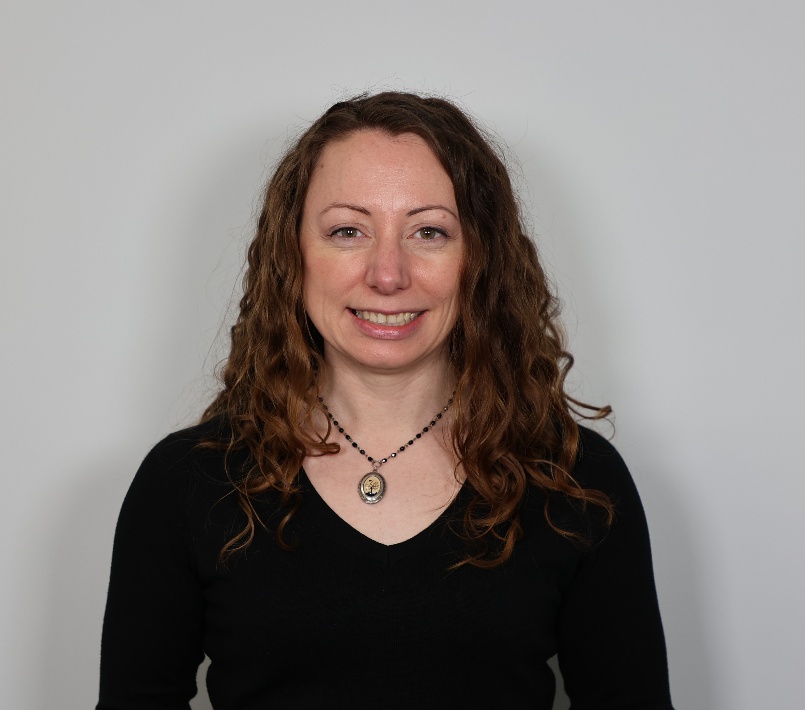
Erikka Askeland

Conference Chair

& News Editor

Founder, Mediacraft

Hannah Mary Goodlad MSP

Minister for Public Finance

The Scottish Parliament

Prof. John Underhill

Interdisciplinary Director

for Energy Transition

University of Aberdeen

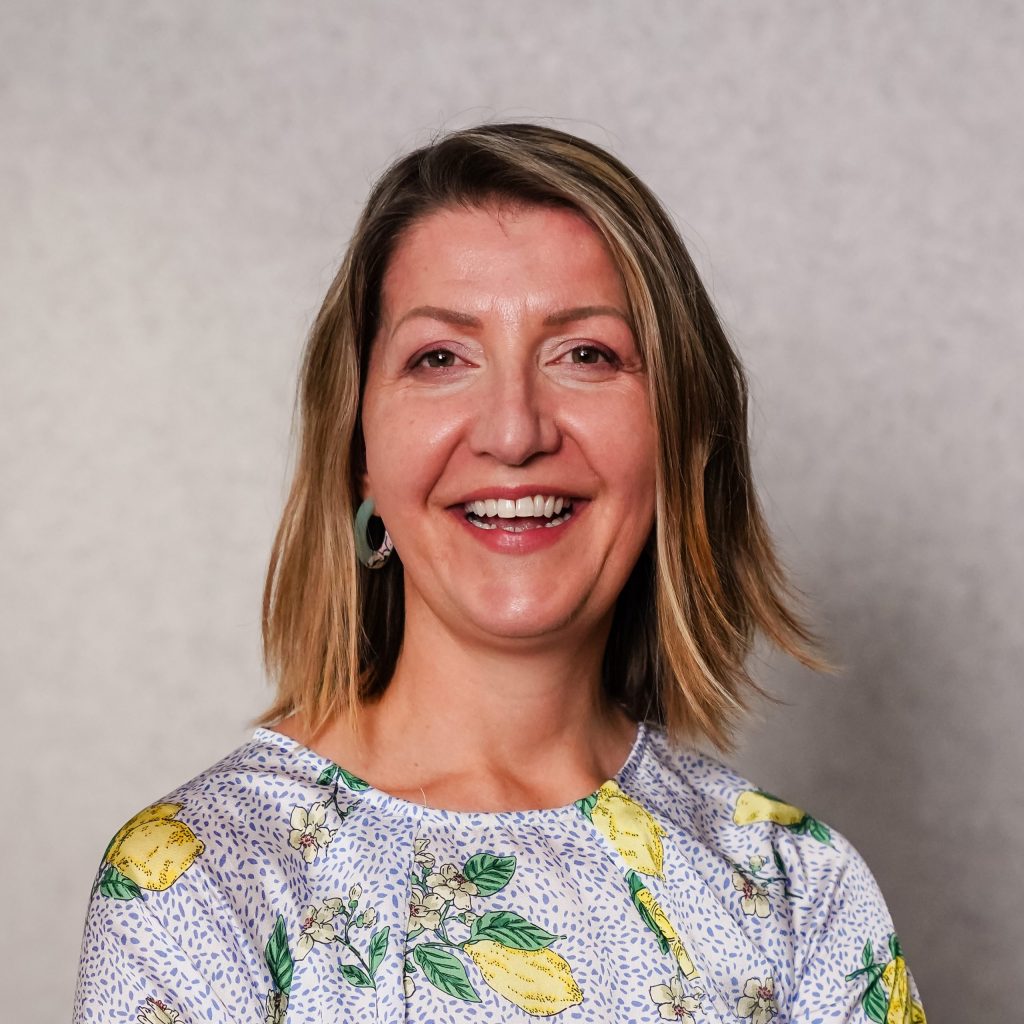
Christianna Logan

Director of Customers

& Stakeholders

SSEN Transmission

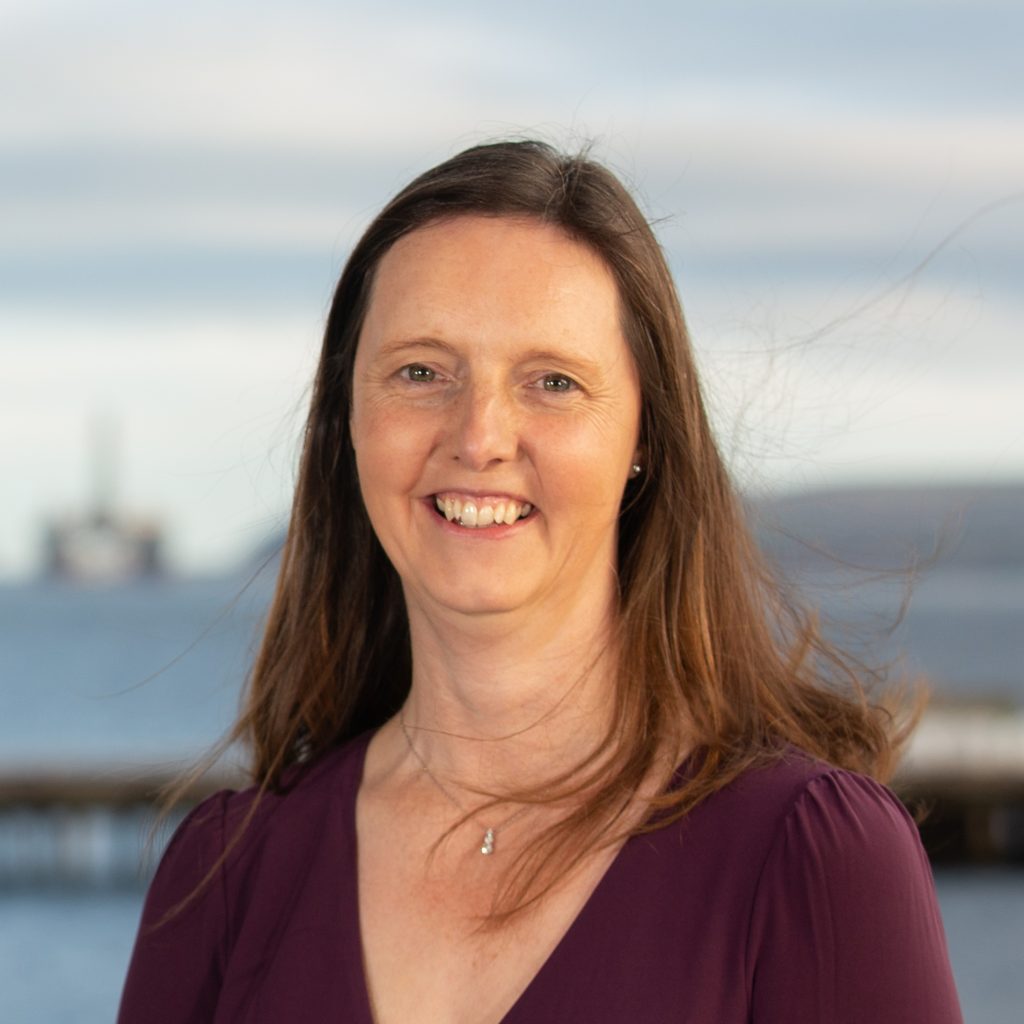
Claire Dykta

Director of Strategy and Policy

& Chief Strategy Officer

NESO

Ross McKenzie

Chief Corporate Affairs

& Sustainability Officer

Drax Group

Isla Robb

Director of Supply Chain,

Skills & Community

ETZ Ltd

Joanne Allday

Head of Strategy

& Business Development

Port of Cromarty Firth

Eddie McAvinchey

Director for Scotland

(Investment and Advisory)

National Wealth Fund

Andy Brooks

Director of New Ventures

North Sea Transition Authority

Stephen Gethins MSP

Minister for Europe,

External Affairs and Energy

Scottish Government

Michael Shanks MP

Minister of State

(Minister for Energy)

UK Government

David Whitehouse

CEO

Offshore Energies UK

(OEUK)

Dr Kenneth Leitch

Principal Investigator

HCI Skills Gateway

Jamie Bannerman

Associate Director

Copper Consultancy

Alison Wilson

Managing Director

Inverness & Cromarty Firth

Green Freeport

David Green MSP

Scottish Liberal Democrats

Scottish Government

Dr Christian Calvillo Munoz

Senior Research Fellow

Centre for Energy Policy,

University of Strathclyde

Dougie Knox

Strategic Partnership Manager

Energy Skills Partnership 

Prof. Dame Fiona Rayment DBE

Chair of Nuclear Policy

and Capability

Dalton Nuclear Institute, University of Manchester 

Why Attend

Agenda and Timings

Session 1: Grid

08.50 – 09.00

Registration & refreshments

08.50 – 09.00

Registration & Refreshments

08.50 – 09.00

Chair’s welcome & Introduction

Erikka Askeland

Conference Chair & News Editor

Founder, Mediacraft

08.50 – 09.00

Chair’s welcome & Introduction

Scotland has more renewable generation potential than almost anywhere in Europe, but turning that potential into delivered clean power depends entirely on whether the grid can be built, connected and operated at pace. Scene‑setting plenary with sponsor remarks, keynote addresses and a Nordic model case study, culminating in an expert grid panel.

Erikka Askeland

Conference Chair & News Editor

Founder, Mediacraft

09.00 – 09.10

Headline Sponsor Welcome

Ross McKenzie

Chief Corporate Affairs & Sustainability Officer

Drax Group

09.00 – 09.10

Headline Sponsor Welcome

Ross McKenzie

Chief Corporate Affairs & Sustainability Officer

Drax Group

09.10 – 09.30

Academic Keynote

Professor John Underhill

Interdisciplinary Director for Energy Transition and Professor in Geoscience and Energy Transition

University of Aberdeen

09.10 – 09.30

Academic Keynote

Professor John Underhill

Interdisciplinary Director for Energy Transition and

Professor in Geoscience and Energy Transition

University of Aberdeen

09.30 – 09.50

How Shetland can lead the way on a Nordic model for all of Scotland

The Nordic model of energy management, benefits belong to the people – can Scotland can transition to this model. 

Hannah Mary Goodlad MSP

Minister for Public Finance

Scottish Government

09.30 – 09.50

How Shetland can lead the way on a Nordic model for all of Scotland

The Nordic model of energy management, benefits belong to the people – can Scotland can transition to this model. 

Hannah Mary Goodlad MSP

Minister for Public Finance

Scottish Government

09.50 – 10.00

Questions from the audience

09.50 – 10.00

10.00 – 10.45

Questions from the audience

Can Scotland’s Grid Keep Up with Ambition?

Scotland has no shortage of renewable energy ambition, but can the grid keep pace? This session will bring together those responsible for planning, operating and delivering our electricity network to examine what is changing, where the barriers remain and what needs to happen now to unlock investment and accelerate delivery.

Christianna Logan

Director of Customers & Stakeholders Director

SSEN Transmission

Ross McKenzie

Chief Corporate Affairs & Sustainability Officer

Drax Group

Claire Dykta

Director of Strategy & Policy

and Chief Strategy Officer

NESO

10.00 – 10.45

Can Scotland’s Grid Keep Up with Ambition?

Scotland has more renewable generation potential than almost anywhere in Europe, but turning that potential into delivered clean power depends entirely on whether the grid can be built, connected and operated at pace. Scene‑setting plenary with sponsor remarks, keynote addresses and a Nordic model case study, culminating in an expert grid panel.  

Christianna Logan

Director of Customers & Stakeholders

SSEN Transmission

Ross McKenzie

Chief Corporate Affairs & Sustainability Officer

Drax Group

Claire Dykta

Director of Strategy & Policy

and Chief Strategy Officer

NESO

Session 1: Grid

Session 2: Skills & Workforce

Session 2: Skills & Workforce

11.05 – 11.50

Closing the Skills Gap — Who Is Responsible?

Scotland’s energy ambitions will only be delivered if we have the workforce to match them. With major projects competing for the same skills, this session will examine where the biggest gaps are emerging, who is responsible for closing them, and what industry, government and education need to do differently.

Isla Robb

Director of Supply Chain, Skills & Communities

Energy Transition Zone Ltd

(ETZ)

Dr Kenneth Leitch

Principal Investigator 

HCI Gateway 

Dougie Knox

Strategic Partnership Manager

Energy Skills Partnership  

Session Three: Parallel Masterclasses

Session 3: Masterclasses

11.55 – 12.25

Masterclass 1: Hydropower & Pumped Storage

Scotland has the water, infrastructure, and expertise to lead the next era of hydropower. With major pumped-storage projects progressing, this masterclass will explore how Scotland can turn its natural advantage into long-term energy storage, unlock investment and supply-chain opportunities, and deliver the flexibility our increasingly renewable electricity system needs.

Masterclass 2: Tidal Energy

Scotland is already at the forefront of tidal energy innovation, but can it turn that expertise into a commercial industry? This masterclass will explore what needs to happen next to accelerate deployment, attract investment, strengthen the domestic supply chain, and ensure Scotland captures the economic opportunity from a technology it has helped pioneer.

11.55 – 12.25

Masterclass 1: Hydropower & Pumped Storage (tbc) 

How does Scotland turn its geography and hydro heritage into a modern energy-storage industry? 

Masterclass 2: Tidal Energy (tbc) 

Can Scotland Build a World-Leading Tidal Energy Industry? 

12.25 – 12.30

Transition

12.25 – 12.30

Transition

12.30 – 13.00

Masterclass 3: Battery Storage & Flexibility

As renewable generation grows, Scotland needs the ability to store power and use it when it is most needed. This masterclass will examine the rapidly growing battery storage market, the role it can play in balancing the grid, and what is needed to turn Scotland’s significant project pipeline into operational infrastructure.

Masterclass 4: Renewable-powered Data centres

AI and data centres are creating unprecedented demand for electricity, but could that demand become an opportunity for Scotland? This masterclass will explore how our renewable resources could help attract the digital industries of the future, while addressing the challenges around grid capacity, energy efficiency, resilience, and the delivery of sustainable economic growth.


12.30 – 13.00

Masterclass 3: Battery Storage & Flexibility (tbc)

Storing Scotland’s Power: The Battery Opportunity Behind the Renewables Boom

Masterclass 4: Renewable-powered industry data centres (tbc) 

Powering the Digital Economy: Turning Renewable Abundance into Investment 

13.00 – 14.00

Lunch and networking

Session 4: Parallel Leadership Streams

Session 4: Leadership

14.00 – 14.45

(Track A)

Leadership 1

Revisiting “No New Nuclear” in a Small Modular Reactor Era 

Scotland’s opposition to new nuclear was shaped in a very different energy landscape. With small modular reactors emerging and electricity demand rising, this session will revisit whether that position remains sustainable and examine what Scotland’s nuclear policy could mean for future investment, skilled jobs, energy security, and industrial growth.

Jamie Bannerman

Associate Director

Copper Consultancy

David Green MSP

Scottish Liberal Democrats

Scottish Parliament

Prof. Dame Fiona Rayment DBE

Chair of Nuclear Policy and Capability, Dalton Nuclear Institute

University of Manchester 

14.00 – 14.45

(Track A)

Leadership 1

Revisiting “No New Nuclear” in a Small Modular Reactor Era 

In an era of small modular reactors and rising demand from data centres, carbon capture and hydrogen, how long can Scotland’s “no new nuclear” stance hold, and what are the implications for jobs, investment and industrial growth?

Jamie Bannerman

Associate Director

Copper Consultancy

David Green MSP

Scottish Liberal Democrats

Scottish Parliament

Prof. Dame Fiona Rayment DBE

Chair of Nuclear Policy and Capability

Dalton Nuclear Institute, University of Manchester 

14.00 – 14.45

(Track B)

Leadership 2

Is Scotland’s Energy Mix Still Investable?

Billions of pounds of energy investment are within Scotland’s reach, but capital has choices. This session will examine where investors see opportunity, what is undermining confidence and whether Scotland is sending a clear enough message to the market to secure the long-term investment needed across its changing energy mix.

Alison Wilson

Managing Director

Inverness & Cromarty Firth

Green Freeport (ICFGF)

David Whitehouse

CEO

Offshore Energies UK

(OEUK)

14.00 – 14.45

(Track A)

Leadership 2

Is Scotland’s Energy Mix Still Investable? Revisiting “No New Nuclear” in a Small Modular Reactor Era

In an era of small modular reactors and rising demand from data centres, carbon capture and hydrogen, how long can Scotland’s “no new nuclear” stance hold, and what are the implications for jobs, investment and industrial growth?

Alison Wilson

Managing Director

ICFGF

David Whitehouse

CEO

OEUK

14.50 – 15.35

(Track A)

Leadership 3

Is Scotland Maximising Its Renewables Estate? 

Scotland has extraordinary renewable energy resources, but generating more power is only part of the opportunity. This session will ask whether Scotland is extracting maximum economic value from its renewable’s estate, from jobs and supply chains to communities and inward investment, and what needs to change to deliver greater benefit at home.

Joanne Allday

Head of Strategy & Business Development

Port of Cromarty Firth

Eddie McAvinchey

Director for Scotland

(Investment and Advisory)

National Wealth Fund

14.50 – 15.35

(Track B)

Leadership 3

Is Scotland Maximising Its Renewables Estate? 

Is Scotland’s planning, consenting and investment framework enabling solar, repowering and emerging technologies like tidal and longduration storage to fulfil their role in a more complex renewables mix? 

Joanne Allday

Head of Strategy

Port of Cromarty Firth

Eddie McAvinchey

Director for Scotland

National Wealth Fund

14.50 – 15.35

(Track B)

Leadership 4

CCUS: Scotland’s Bridge Technology or a Distraction?  

Scotland has the geology, industrial clusters, and offshore expertise to become a major player in carbon capture and storage, but questions remain about cost, scale, and delivery. This session will examine the case for CCUS, where the opportunity lies and whether it can deliver meaningful decarbonisation alongside economic value for Scotland.

Andy Brooks

Director of New Ventures

North Sea Transition Authority (NSTA)

Dr Christian Calvillo Munoz

Senior Research Fellow

Centre for Energy Policy,

University of Strathclyde 

14.50 – 15.35

(Track B)

Leadership 4

CCUS: Scotland’s Bridge Technology or a Distraction?  

Does CCUS genuinely offer Scotland a competitive advantage by reusing offshore infrastructure and skills, or is it slowing emissions reduction and extending fossil fuel dependence under political cover? 

Andy Brooks

New Ventures Director

NSTA

Dr Christian Calvillo Munoz

Senior Research Fellow

University of Strathclyde 

15.35 – 16.00

Refreshments and networking

15.35 – 16.00

Refreshments and networking

Session 5: UK & Scottish Ministers

Session 5: Ministers

16.00 – 16.10

Ministerial Keynote (Scotland)

Stephen Gethins MSP

Minister for Europe, External Affairs and Energy

Scottish Government 

16.10 – 16.20

Ministerial Keynote (UK)

Stephen Gethins MSPMinister for Europe, External Affairs and Energy

Scottish Government

16.10 – 16.20

Ministerial Keynote (UK)

Michael Shanks MP

Minister of State (Minister for Energy)

UK Government 

16.10 – 16.20

Ministerial Keynote (UK)

Minister of State (Minister for Energy)

UK Government

16.20 – 16.50

Q&A

Delegates will have the opportunity to ask ministers direct questions. 

16.20 – 16.50

Q&A

Delegates will have the opportunity to ask ministers direct questions. 

Conference close

Conference close

Speakers

*Click image to see biography

Erikka Askeland

Conference Chair

& News Editor

Founder, Mediacraft

Hannah Mary Goodlad MSP

Minister for Public Finance

The Scottish Parliament

Prof. John Underhill

Interdisciplinary Director

for Energy Transition

University of Aberdeen

Christianna Logan

Director of Customers

& Stakeholders

SSEN Transmission

Claire Dykta

Director of Strategy and Policy

& Chief Strategy Officer

NESO

Ross McKenzie

Chief Corporate Affairs

& Sustainability Officer

Drax Group

Isla Robb

Director of Supply Chain,

Skills & Community

ETZ Ltd

Joanne Allday

Head of Strategy

& Business Development

Port of Cromarty Firth

Eddie McAvinchey

Director for Scotland

(Investment and Advisory)

National Wealth Fund

Andy Brooks

Director of New Ventures

North Sea Transition Authority

Stephen Gethins MSP

Minister for Europe,

External Affairs and Energy

Scottish Government

Michael Shanks MP

Minister of State

(Minister for Energy)

UK Government

David Whitehouse

CEO

Offshore Energies UK

(OEUK)

Dr Kenneth Leitch

Principal Investigator

HCI Skills Gateway

Jamie Bannerman

Associate Director

Copper Consultancy

Alison Wilson

Managing Director

Inverness & Cromarty Firth

Green Freeport

David Green MSP

Scottish Liberal Democrats

Scottish Government

Dr Christian Calvillo Munoz

Senior Research Fellow

Centre for Energy Policy,

University of Strathclyde

Prof. Dame Fiona Rayment DBE

Chair of Nuclear Policy

and Capability

Dalton Nuclear Institute,

University of Manchester 

Dougie Knox

Strategic Partnership Manager

 Energy Skills Partnership

Sponsors

Agenda and Timings

Session 1: Grid

08.50 – 09.00

Registration & refreshments

08.50 – 09.00

Registration & Refreshments

08.50 – 09.00

Chair’s welcome & Introduction

Erikka Askeland

Conference Chair & News Editor

Founder, Mediacraft

08.50 – 09.00

Chair’s welcome & Introduction

Scotland has more renewable generation potential than almost anywhere in Europe, but turning that potential into delivered clean power depends entirely on whether the grid can be built, connected and operated at pace. Scene‑setting plenary with sponsor remarks, keynote addresses and a Nordic model case study, culminating in an expert grid panel.

Erikka Askeland

Conference Chair & News Editor

Founder, Mediacraft

09.00 – 09.10

Headline Sponsor Welcome

Ross McKenzie

Chief Corporate Affairs & Sustainability Officer

Drax Group

09.00 – 09.10

Headline Sponsor Welcome

Ross McKenzie

Chief Corporate Affairs & Sustainability Officer

Drax Group

09.10 – 09.30

Academic Keynote

Professor John Underhill

Interdisciplinary Director for Energy Transition and Professor in Geoscience and Energy Transition

University of Aberdeen

09.10 – 09.30

Academic Keynote

Professor John Underhill

Interdisciplinary Director for Energy Transition and

Professor in Geoscience and Energy Transition

University of Aberdeen

09.30 – 09.50

How Shetland can lead the way on a Nordic model for all of Scotland

The Nordic model of energy management, benefits belong to the people – can Scotland can transition to this model. 

Hannah Mary Goodlad MSP

Minister for Public Finance

Scottish Government

09.30 – 09.50

How Shetland can lead the way on a Nordic model for all of Scotland

The Nordic model of energy management, benefits belong to the people – can Scotland can transition to this model. 

Hannah Mary Goodlad MSP

Minister for Public Finance

Scottish Government

09.50 – 10.00

Questions from the audience

09.50 – 10.00

Questions from the audience

10.00 – 10.45

Can Scotland’s Grid Keep Up with Ambition?

Scotland has no shortage of renewable energy ambition, but can the grid keep pace? This session will bring together those responsible for planning, operating and delivering our electricity network to examine what is changing, where the barriers remain and what needs to happen now to unlock investment and accelerate delivery.

Christianna Logan

Director of Customers & Stakeholders Director

SSEN Transmission

Ross McKenzie

Chief Corporate Affairs & Sustainability Officer

Drax Group

Claire Dykta

Director of Strategy & Policy

and Chief Strategy Officer

NESO

10.00 – 10.45

Can Scotland’s Grid Keep Up with Ambition?

Scotland has more renewable generation potential than almost anywhere in Europe, but turning that potential into delivered clean power depends entirely on whether the grid can be built, connected and operated at pace. Scene‑setting plenary with sponsor remarks, keynote addresses and a Nordic model case study, culminating in an expert grid panel.  

Christianna Logan

Director of Customers & Stakeholders

SSEN Transmission

Ross McKenzie

Chief Corporate Affairs & Sustainability Officer

Drax Group

Claire Dykta

Director of Strategy & Policy

and Chief Strategy Officer

NESO

Session 1: Grid

Session 2: Skills & Workforce

Session 2: Skills & Workforce

11.05 – 11.50

Closing the Skills Gap — Who Is Responsible?

Scotland’s energy ambitions will only be delivered if we have the workforce to match them. With major projects competing for the same skills, this session will examine where the biggest gaps are emerging, who is responsible for closing them, and what industry, government and education need to do differently.

Isla Robb

Director of Supply Chain, Skills & Communities

Energy Transition Zone Ltd

(ETZ)

Dr Kenneth Leitch

Principal Investigator 

HCI Gateway 

tbc
Energy Skills and Partnership

Organisation

Session Three: Parallel Masterclasses

Session 3: Masterclasses

11.55 – 12.25

Masterclass 1: Hydropower & Pumped Storage

Scotland has the water, infrastructure, and expertise to lead the next era of hydropower. With major pumped-storage projects progressing, this masterclass will explore how Scotland can turn its natural advantage into long-term energy storage, unlock investment and supply-chain opportunities, and deliver the flexibility our increasingly renewable electricity system needs.

Masterclass 2: Tidal Energy

Scotland is already at the forefront of tidal energy innovation, but can it turn that expertise into a commercial industry? This masterclass will explore what needs to happen next to accelerate deployment, attract investment, strengthen the domestic supply chain, and ensure Scotland captures the economic opportunity from a technology it has helped pioneer.

11.55 – 12.25

Masterclass 1: Hydropower & Pumped Storage (tbc) 

How does Scotland turn its geography and hydro heritage into a modern energy-storage industry? 

Masterclass 2: Tidal Energy (tbc) 

Can Scotland Build a World-Leading Tidal Energy Industry? 

12.25 – 12.30

Transition

12.25 – 12.30

Transition

12.30 – 13.00

Masterclass 3: Battery Storage & Flexibility

As renewable generation grows, Scotland needs the ability to store power and use it when it is most needed. This masterclass will examine the rapidly growing battery storage market, the role it can play in balancing the grid, and what is needed to turn Scotland’s significant project pipeline into operational infrastructure.

Masterclass 4: Renewable-powered Data centres

AI and data centres are creating unprecedented demand for electricity, but could that demand become an opportunity for Scotland? This masterclass will explore how our renewable resources could help attract the digital industries of the future, while addressing the challenges around grid capacity, energy efficiency, resilience, and the delivery of sustainable economic growth.


12.30 – 13.00

Masterclass 3: Battery Storage & Flexibility (tbc)

Storing Scotland’s Power: The Battery Opportunity Behind the Renewables Boom

Masterclass 4: Renewable-powered industry data centres (tbc) 

Powering the Digital Economy: Turning Renewable Abundance into Investment 

13.00 – 14.00

Lunch and networking

Session 4: Parallel Leadership Streams

Session 4: Leadership

14.00 – 14.45

(Track A)

Leadership 1

Revisiting “No New Nuclear” in a Small Modular Reactor Era 

Scotland’s opposition to new nuclear was shaped in a very different energy landscape. With small modular reactors emerging and electricity demand rising, this session will revisit whether that position remains sustainable and examine what Scotland’s nuclear policy could mean for future investment, skilled jobs, energy security, and industrial growth.

Jamie Bannerman

Associate Director

Copper Consultancy

David Green MSP

Scottish Liberal Democrats

Scottish Parliament

14.00 – 14.45

(Track A)

Leadership 1

Revisiting “No New Nuclear” in a Small Modular Reactor Era 

In an era of small modular reactors and rising demand from data centres, carbon capture and hydrogen, how long can Scotland’s “no new nuclear” stance hold, and what are the implications for jobs, investment and industrial growth?

Jamie Bannerman

Associate Director

Copper Consultancy

David Green MSP

Scottish Liberal Democrats

Scottish Parliament

14.00 – 14.45

(Track A)

Leadership 2

Is Scotland’s Energy Mix Still Investable? Revisiting “No New Nuclear” in a Small Modular Reactor Era

Billions of pounds of energy investment are within Scotland’s reach, but capital has choices. This session will examine where investors see opportunity, what is undermining confidence and whether Scotland is sending a clear enough message to the market to secure the long-term investment needed across its changing energy mix.

Alison Wilson

Managing Director

Inverness & Cromarty Firth

Green Freeport (ICFGF)

David Whitehouse

CEO

Offshore Energies UK

(OEUK)

14.00 – 14.45

(Track A)

Leadership 2

Is Scotland’s Energy Mix Still Investable? Revisiting “No New Nuclear” in a Small Modular Reactor Era

In an era of small modular reactors and rising demand from data centres, carbon capture and hydrogen, how long can Scotland’s “no new nuclear” stance hold, and what are the implications for jobs, investment and industrial growth?

Alison Wilson

Managing Director

ICFGF

David Whitehouse

CEO

OEUK

14.50 – 15.35

(Track B)

Leadership 3

Is Scotland Maximising Its Renewables Estate? 

Scotland has extraordinary renewable energy resources, but generating more power is only part of the opportunity. This session will ask whether Scotland is extracting maximum economic value from its renewable’s estate, from jobs and supply chains to communities and inward investment, and what needs to change to deliver greater benefit at home.

Joanne Allday

Head of Strategy & Business Development

Port of Cromarty Firth

Eddie McAvinchey

Director for Scotland

(Investment and Advisory)

National Wealth Fund

14.50 – 15.35

(Track B)

Leadership 3

Is Scotland Maximising Its Renewables Estate? 

Is Scotland’s planning, consenting and investment framework enabling solar, repowering and emerging technologies like tidal and longduration storage to fulfil their role in a more complex renewables mix? 

Joanne Allday

Head of Strategy

Port of Cromarty Firth

Eddie McAvinchey

Director for Scotland

National Wealth Fund

14.50 – 15.35

(Track B)

Leadership 4

CCUS: Scotland’s Bridge Technology or a Distraction?  

Scotland has the geology, industrial clusters, and offshore expertise to become a major player in carbon capture and storage, but questions remain about cost, scale, and delivery. This session will examine the case for CCUS, where the opportunity lies and whether it can deliver meaningful decarbonisation alongside economic value for Scotland.

Andy Brooks

Director of New Ventures

North Sea Transition Authority (NSTA)

Dr Christian Calvillo Munoz

Senior Research Fellow

Centre for Energy Policy,

University of Strathclyde 

14.50 – 15.35

(Track B)

Leadership 4

CCUS: Scotland’s Bridge Technology or a Distraction?  

Does CCUS genuinely offer Scotland a competitive advantage by reusing offshore infrastructure and skills, or is it slowing emissions reduction and extending fossil fuel dependence under political cover? 

Andy Brooks

New Ventures Director

NSTA

Dr Christian Calvillo Munoz

Senior Research Fellow

University of Strathclyde 

15.35 – 16.00

Refreshments and networking

15.35 – 16.00

Refreshments and networking

Session 5: UK & Scottish Ministers

Session 5: Ministers

16.00 – 16.10

Ministerial Keynote (Scotland)

Stephen Gethins MSP

Minister for Europe, External Affairs and Energy

Scottish Government 

16.10 – 16.20

Ministerial Keynote (UK)

Stephen Gethins MSPMinister for Europe, External Affairs and Energy

Scottish Government

16.10 – 16.20

Ministerial Keynote (UK)

Michael Shanks MP

Minister of State (Minister for Energy)

UK Government 

16.10 – 16.20

Ministerial Keynote (UK)

Minister of State (Minister for Energy)

UK Government

16.20 – 16.50

Q&A

Delegates will have the opportunity to ask ministers direct questions. 

16.20 – 16.50

Q&A

Delegates will have the opportunity to ask ministers direct questions. 

Conference close

Conference close

Agenda

08.00 – 08.50: Registration and Refreshments

08.50 – 09.00: Chair’s Welcome & Introduction

Erikka Askeland, Conference Chair & News Editor, Founder, Mediacraft

09.00 – 09.10: Headline Sponsor Welcome

Ross McKenzie, Chief Corporate Affairs & Sustainability Officer, Drax

09.10 – 09.30: Academic Keynote (content tbc)

Professor John Underhill, Transition and Professor in Geoscience and Energy Transition, University of Aberdeen

09.30 – 09.50: How Shetland Can Lead the Way on a Nordic Model for All of Scotland

Hannah Mary Goodlad MSP, Minister for Public Finance, Scottish Government

09.50 – 10.00: Q&A

Professor John Underhill, Transition and Professor in Geoscience and Energy Transition, University of Aberdeen

Hannah Mary Goodlad MSP, Minister for Public Finance, Scottish Government

10.00 – 10.45: Can Scotland’s Grid Keep Up with Ambition?

Scotland has no shortage of renewable energy ambition, but can the grid keep pace? This session will bring together those responsible for planning, operating and delivering our electricity network to examine what is changing, where the barriers remain and what needs to happen now to unlock investment and accelerate delivery.

Christianna Logan, Director of Customers and Stakeholders, SSEN 

Ross McKenzie, Chief Corporate Affairs & Sustainability Officer, Drax 

Claire Dykta, Director of Policy and Strategy, NESO

Dougie Knox, Strategic Partnership Manager, Energy Skills Partnership 

10.45 – 11.05: Break

11.05 – 11.50: Closing the Skills Gap – Who Is Responsible?

Scotland’s energy ambitions will only be delivered if we have the workforce to match them. With major projects competing for the same skills, this session will examine where the biggest gaps are emerging, who is responsible for closing them, and what industry, government and education need to do differently.

Isla Robb, Director of Supply Chain, Skills & Community, ETZ Ltd

Dr Kenneth Leitch, Principal Investigator, HCI Gateway

11.50 – 11.55: Transition

11.55 – 12:25: Masterclass 1

(Track A)

Hydropower & Pumped Storage:

Scotland has the water, infrastructure, and expertise to lead the next era of hydropower. With major pumped-storage projects progressing, this masterclass will explore how Scotland can turn its natural advantage into long-term energy storage, unlock investment and supply-chain opportunities, and deliver the flexibility our increasingly renewable electricity system needs.

11.55 – 12:25: Masterclass 2

(Track B)

Tidal Energy: 

Scotland is already at the forefront of tidal energy innovation, but can it turn that expertise into a commercial industry? This masterclass will explore what needs to happen next to accelerate deployment, attract investment, strengthen the domestic supply chain, and ensure Scotland captures the economic opportunity from a technology it has helped pioneer.

12.25 – 12.30: Transition

12.30 – 13.00: Masterclass 3

(Track A)

Battery Storage:

As renewable generation grows, Scotland needs the ability to store power and use it when it is most needed. This masterclass will examine the rapidly growing battery storage market, the role it can play in balancing the grid, and what is needed to turn Scotland’s significant project pipeline into operational infrastructure.

12.30 – 13.00: Masterclass 4

(Track B)

Renewable-powered industry data centres (tbc):

AI and data centres are creating unprecedented demand for electricity, but could that demand become an opportunity for Scotland? This masterclass will explore how our renewable resources could help attract the digital industries of the future, while addressing the challenges around grid capacity, energy efficiency, resilience, and the delivery of sustainable economic growth.

13.00 – 14.00: Lunch

14.00 – 14.45: Leadership 1

(Track A)

Revisiting “No New Nuclear” in a Small Modular Reactor Era 

Scotland’s opposition to new nuclear was shaped in a very different energy landscape. With small modular reactors emerging and electricity demand rising, this session will revisit whether that position remains sustainable and examine what Scotland’s nuclear policy could mean for future investment, skilled jobs, energy security, and industrial growth.

Jamie Bannerman, Associate Director, Copper Consultancy 

David Green MSP, Scottish Liberal Democrats, Scottish Parliament 

Prof. Dame Fiona Rayment DBE, Chair of Nuclear Policy and Capability, Dalton Nuclear Institute, University of Manchester 

14.00 – 14.45: Leadership 2

(Track B)

Is Scotland’s Energy Mix Still Investable? 

Billions of pounds of energy investment are within Scotland’s reach, but capital has choices. This session will examine where investors see opportunity, what is undermining confidence and whether Scotland is sending a clear enough message to the market to secure the long-term investment needed across its changing energy mix.

Alison Wilson, Managing Director, Inverness and Cromarty Firth Green Freeport  
David Whitehouse, Chief Executive Officer, OEUK  

14.45 – 14.50: Transition

14.50 – 15.35: Leadership 3

Is Scotland Maximising Its Renewables Estate? 

Scotland has extraordinary renewable energy resources, but generating more power is only part of the opportunity. This session will ask whether Scotland is extracting maximum economic value from its renewable’s estate, from jobs and supply chains to communities and inward investment, and what needs to change to deliver greater benefit at home.

 Joanne Allday, Head of Strategy and Business Development, Port of Cromarty Firth  

Eddie McAvinchey, Director for Scotland, National Wealth Fund  

14.50 – 15.35: Leadership 4

CCUS: Scotland’s Bridge Technology or a Distraction? 

Scotland has the geology, industrial clusters, and offshore expertise to become a major player in carbon capture and storage, but questions remain about cost, scale, and delivery. This session will examine the case for CCUS, where the opportunity lies and whether it can deliver meaningful decarbonisation alongside economic value for Scotland.

Andy Brooks, Director of New Ventures, North Sea Transition Authority  

Dr Christian Calvillo, Senior Research Fellow, University of Strathclyde

15.35 – 16.00: Break

16.00 – 16.10: Ministerial Keynote (Scotland)

Stephen Gethins MSP, Minister for Europe, External Affairs and Energy, Scottish Government

16.10 – 16.20: Ministerial Keynote (UK) 

Michael Shanks MP, Minister for Energy, UK Government  

16.20 – 16.50: Q&A

16.50: Conference Close
Book Now

Privacy Overview

This website uses cookies so that we can provide you with the best user experience possible. Cookie information is stored in your browser and performs functions such as recognising you when you return to our website and helping our team to understand which sections of the website you find most interesting and useful.