Robust, reliable, resilient and secure energy supplies are vital to power nations and their industrial centres, reduce fuel poverty, enhance quality of life and promote well-being. Traditionally provided by coal, oil and gas, emissions from their supply and consumption contribute to climate change and present a major global challenge. In response, the UK Government introduced ambitious and legally binding targets in 2019 including reduction of greenhouse gas emissions by 68% relative to 1990 levels by 2030, 81% by 2035 and net zero emissions by 2050.
While it is possible to achieve emissions reductions and decarbonize through the closure of industrial clusters, power stations and demise of the oil and gas sector, deindustrialization comes with a cost to jobs, Gross Domestic Product (GDP) and a loss of strategic assets. The consequent import of materials and products that modern society demands also carries a higher carbon footprint and is detrimental to global climate goals.
Key challenges for the energy transition therefore centre on how to maintain or enhance energy supplies, keep them affordable, whilst being environmentally sustainable and climate compatible, the so-called ‘energy trilemma’.
Progress in the power sector has seen the share of renewable electricity supply grow in a decade, from 19% in 2014 to 48% in 2024. However, because of the intermittency of renewables, there is a need to retain back-up in the form of dispatchable electrical power from gas- or nuclear power stations.
While we may not wish it to be the case, there is no getting away from the current inconvenient reality that there are 30 Million petrol and diesel fuelled vehicles on our roads and 23 Million UK homes (i.e. 85% of the housing stock) are reliant on gas for heating and cooking.
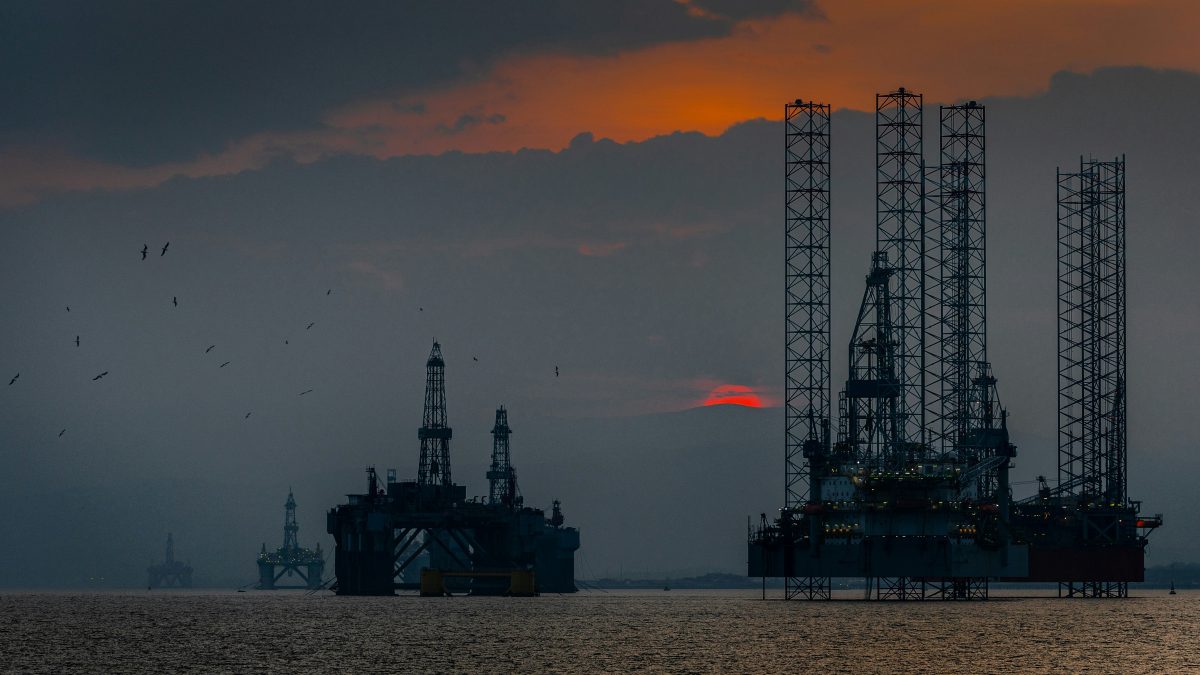
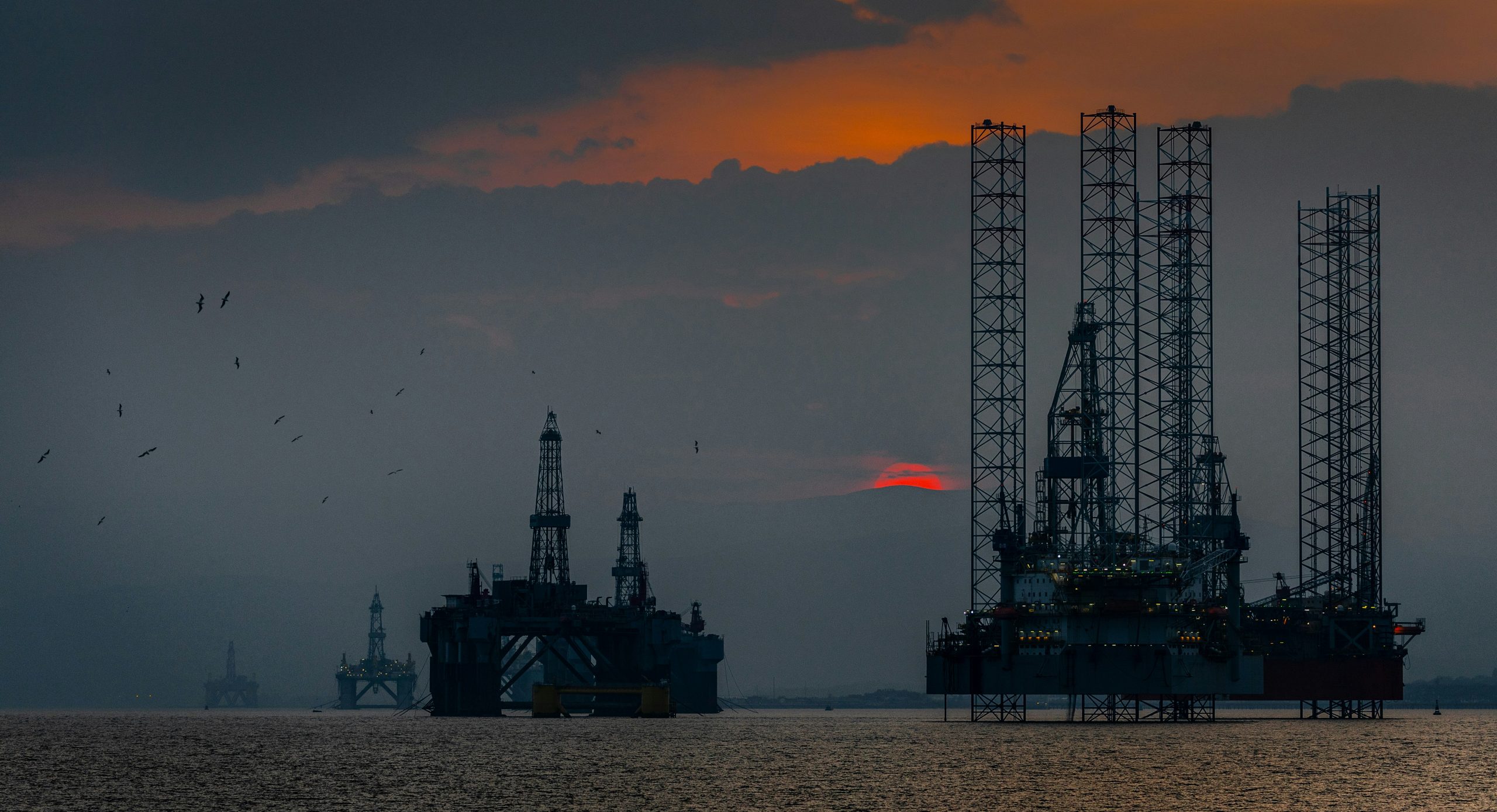
So, while the argument over the Jackdaw gas field’s approval and Rosebank oil field’s evaluation has brought the future of domestic production into sharp focus, it is sobering to know the UK remains dependent on oil and gas to meet three quarters of its total energy needs.
While coal no longer contributes, gas also supplied over a quarter of our electrical baseload last year, down from three quarters it provided in 1990. However, on cold, dark, windless winter nights and stiflingly hot and still summer ones, gas supplies are still needed to meet over half of our needs.
The pivot away from coal that took place in the 1980s following the discovery of gas fields on the UK Continental Shelf provided a viable alternative source of heat and electrical generation that was less polluting and a far lower carbon footprint.
That shift had a major effect on the UK’s emissions. Between 1990 and 2023, total territorial (within border) GHG emissions fell from 810 to 385 MtCO2e, halving them over the past three and a half decades. However, the marked change in emissions was unequal across the different sectors. Back in 1990, the largest two emitters were electrical power generation and industry, which accounted for almost a half of the UK total. The main emitters are domestic transport, buildings and product use, industry and agriculture, which account for over 3/4s of emissions today.
Consequently, the UK has exceeded its initial carbon budget targets and decarbonised faster than any other G7 country. In fact, the UK now accounts for less than 1% of global emissions and there is a strong argument for stating that the country has shown climate leadership in reducing its emissions.
The UK has not been self-sufficient in domestic oil and gas supplies for the past two decades with an ever-increasing dependency on imports. Last year, domestic production of gas stood at just over two fifths (43%) meaning the remaining 57% was imported.
While the majority of gas imports come through pipelines from Norway, which carry a lower carbon intensity than our own supplies, the rest comes in the form of Liquified Natural Gas (LNG), which carry higher emissions. Moreover, since the USA started exporting fracked shale gas, something we ban here, the UK has become ever more reliant on LNG cargoes sailing across the Atlantic and more so since hostilities closed the Straits of Hormuz.
The closure of oil refineries over the past couple of decades, including Grangemouth and Lindsey last year, has had major consequences. Only 11% of domestic crude oil production goes to the four remaining UK refineries at Fawley, Pembroke, Humberside and Stanlow) now. The other 89% of UK oil production gets exported, the majority of which goes to Holland, where it is turned into petroleum products for use across Europe and the UK. As a result, domestic production now only accounts for 45% of our diesel needs and 29% of aviation fuel.
Despite the fact that the UK effectively exports only to reimport, around 65% of domestic production still ends up supplying road vehicles, aviation and home heating oil here. As such, the interdependency between the UK and Europe matters as it provides security of supply for the continent and reliable provision of derived products in return.
Increasing our dependence on imports has undoubtedly reduced our carbon footprint. However, it has also weakened our energy and national security, not protected jobs, led to reduced work and orders for supply chain businesses we will need if we are to deliver the transition, worsened our balance of payments and been detrimental for the global climate as the imports that replace domestic supplies (excepting piped gas from Norway) have increased carbon emissions.
Whilst it is a laudable aim to continue to reduce our emissions and demand for oil and gas, net zero does not mean zero carbon. The challenge ahead is to ensure that decarbonisation does not equate with deindustrialisation that decimates the local economy and offshoring of emissions through importing products that is worse for the global climate.
Failure to face up to the continued need for, and hence an honest conversation about, oil and gas threatens to leave communities behind in the way that coal mining areas were, and will result in an unmanaged, disorganised and unjust energy transition.
Prof. John Underhill will be delivering a keynote speech at The Business of Energy 2026 at the EICC, Edinburgh on 01 December. Click here for more information and to register your place.