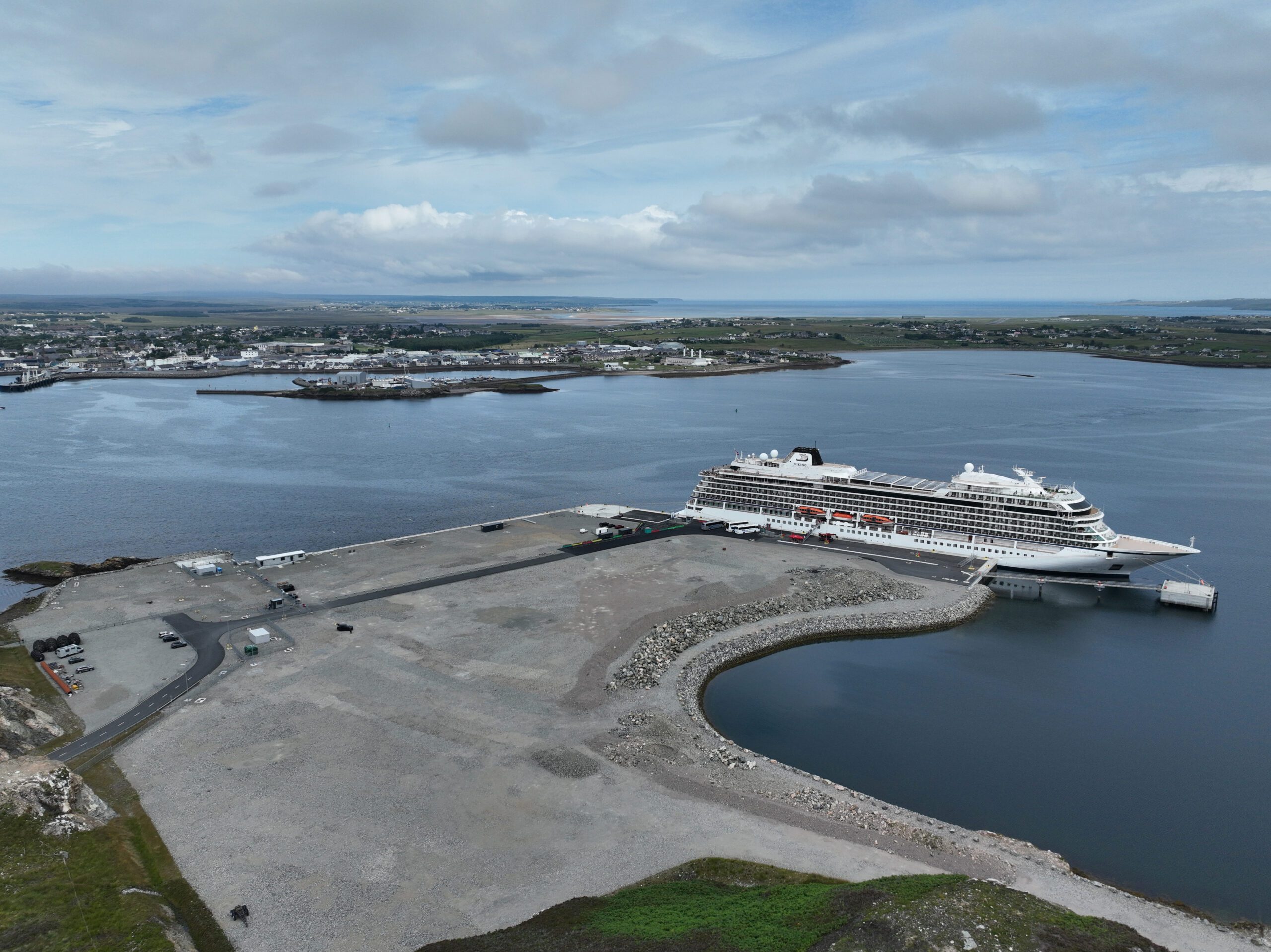
International visitors arriving in Scotland on cruise ships remain a vibrant aspect of the tourism economy. But the industry is warning that this success story will be damaged by cruise ship levies which would deter passengers from super-sized cruise ships coming ashore at Scottish ports.
Last year, 1.1 million passengers visited Scottish ports and contributed an estimated £130m to businesses and communities, according to figures from industry body Cruise Scotland.
This season is also looking good with more than 850,000 passengers expected at the 14 ports represented by Cruise Scotland.
“Cruise tourism is a vital pillar of Scotland’s visitor economy,” said Rob Mason, chair of Cruise Scotland. “With £343m in economic output and nearly 5,000 jobs supported, its contribution is both significant and far-reaching.”
He adds: “Cruise ships bring international visitors to coastal communities often missed by traditional tourism, creating opportunities for local businesses, cultural sites, and heritage attractions.”
Kirsty Hutchison, Cruise Scotland’s market development manager explains: “Scotland offers something unique to the cruise market – a rich mix of heritage, landscapes, and hospitality, without the challenges of over tourism seen in other parts of the world.”
Mason adds: “The long planning horizon for cruise itineraries offers stability and confidence to the regions that depend on this sector. As Scotland welcomes over one million cruise guests this season, it’s clear that cruise tourism is not only growing – it’s delivering real value for Scotland.”
In recent years the cruise market has been extended by investment in infrastructure. The dredging of Lerwick Harbour this summer will not only open up opportunities for the cruise market, but will attract large energy and decommissioning projects.
Since April 2024, cruise ships up to 360m have been able to berth at Stornoway’s new deep water terminal. This year about half of the nearly 90 cruise ships expected will use it.
The season before, the £20m Ocean Terminal Visitor Centre was launched at Greenock, which is expecting about 80 ships this year. The centre includes a museum and art gallery (which pays tribute to the late artist George Wyllie, who worked as a Customs Officer in Greenock) and a Scott’s restaurant, as well as a purpose-built arrivals and departures hall
On the horizon is the idea of the introduction a cruise ship levy. The Scottish Government launched a consultation in February. Its paper notes: “Cruise passengers make up approximately 2 per cent of the total number of overnight stays by visitors in Scotland.
“However, it is worth noting that in some parts of Scotland cruise passengers make up a much higher percentage of the number of visitors. For example, in 2018 84 per cent of overnight visitors in Orkney, and 79 per cent of those in Shetland, were cruise ship passengers.”
In its formal response to the consultation, Cruise Scotland which represent ports, tourism bodies and cruise operators, outlined mounting concerns that a discretionary levy, imposed at the local authority level, could act as a disincentive to cruise lines and erode years of investment and collaboration.
Mason says: “We must not treat this as a simple fiscal instrument. If mishandled, it will cost jobs, suppress local business growth, and unravel a tourism model that has quietly been working for communities often left behind.”
Cruise Scotland’s response underlines that the current proposal follows policy ambiguity, unclear objectives, and insufficient analysis, urging Scottish Government to “make it a priority to establish a clear rationale for the cruise industry, which needs a clear and transparent statement of intent on what is the objective of the levy”.
“Introducing a levy could send the wrong signal to cruise operators at a time when Scotland is successfully growing its reputation as a responsible and attractive destination,” Hutchison says.
“The evidence from other markets suggests that a levy risks reducing visitor numbers, along with the significant revenue and opportunity they bring.”
Mason adds: “We must remember that this is a moveable market that does not need to come to Scotland, despite all we have to offer, and neighbouring regions in the North Atlantic and Northern Europe are strongly positioned to benefit from any displacement.”