
Shetland Islands councillors have approved recommendations for Faroe Islands-style subsea tunnels from Mainland to Yell, and North Yell to Unst. The islands could have such tunnels within eight years if they can receive Scottish and UK government finance of an estimated £1.5bn
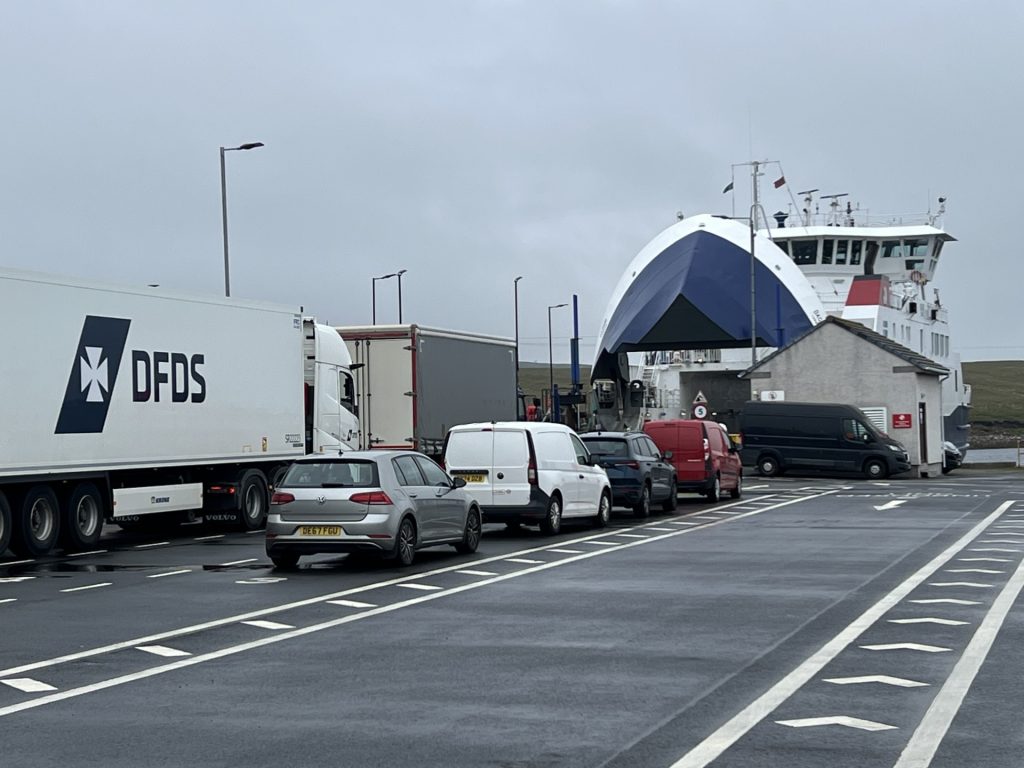
This is the next stage of the Inter-island Transport Connectivity Programme, and involves improvement to ferry services which have been criticised by local citizens and businesses.
Council Leader Emma Macdonald said: “We have made our position clear today, and with the support of the Scottish and UK Governments we could be driving through tunnels in Shetland in as little as eight years from now. Islands with fixed links repopulate, enjoy economic growth and experience a reduction in their average age.
“The most critical consideration now is to continue to look at potential external funding, and our team will report back on that in September, alongside the draft Implementation Route Map.
“We have no ‘do nothing’ options here. Ferries and tunnels are both needed to unlock the potential of Shetland, and both the Scottish and UK Governments have a vested interest in helping that happen.”
The Faroes islands have built a system of subsea tunnels, including an underground roundabout, which has linked its islands and helped stem de-population on the Northern Atlantic Island group.
Investment in the Bluemull Sound ferry service from Yell to Unst will be required in the immediate term. Bressay and Whalsay will see continued investment in the ferry service with a longer term commitment to a fixed link.
A new road from outside Gutcher, the present ferry pier for Unst, is being built for heavier traffic to the pier at Cullivoe, and this could be an option for the subsea link from North Yell to Unst.
Members also approved up to £200,000 of funding from existing budgets to progress the project, including further development of funding and financing options.
The draft implementation route map is the next step in the process and will set out a phased 30-year investment programme and high-level cost profile when it is presented to the council in September.
Shetland’s current inter-island ferry network faces accepted operational problems, including significantly increased operating costs, rising to £25 m for 2024/25, an ageing fleet with an average vessel age of 32.5 years, difficulties in crew attraction and retention, and deck capacity issues on several key routes.