

The UAE’s biggest city is a hub of international trade and business opportunity – just so long as you do your background research
It’s now a direct flight on an Emirates Airbus, some seven hours and 30 minutes, from Glasgow and Edinburgh. And with this degree of accessibility, Dubai is increasingly a magnet for tourists, business figures and international trade from Scotland.
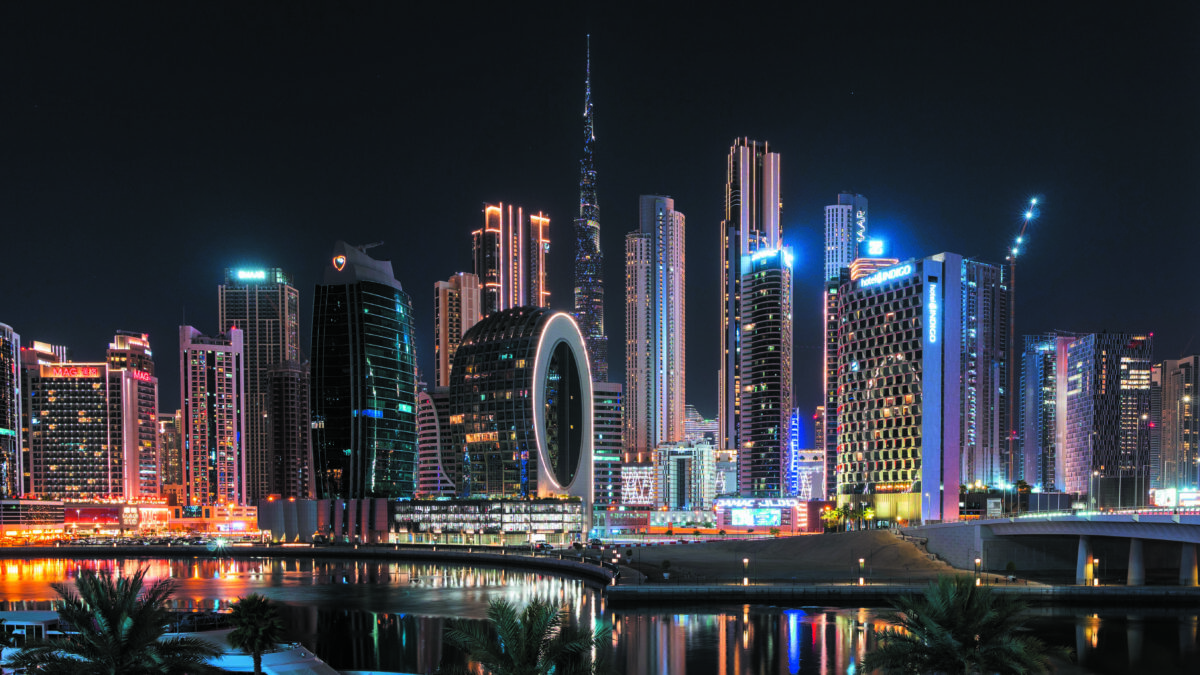
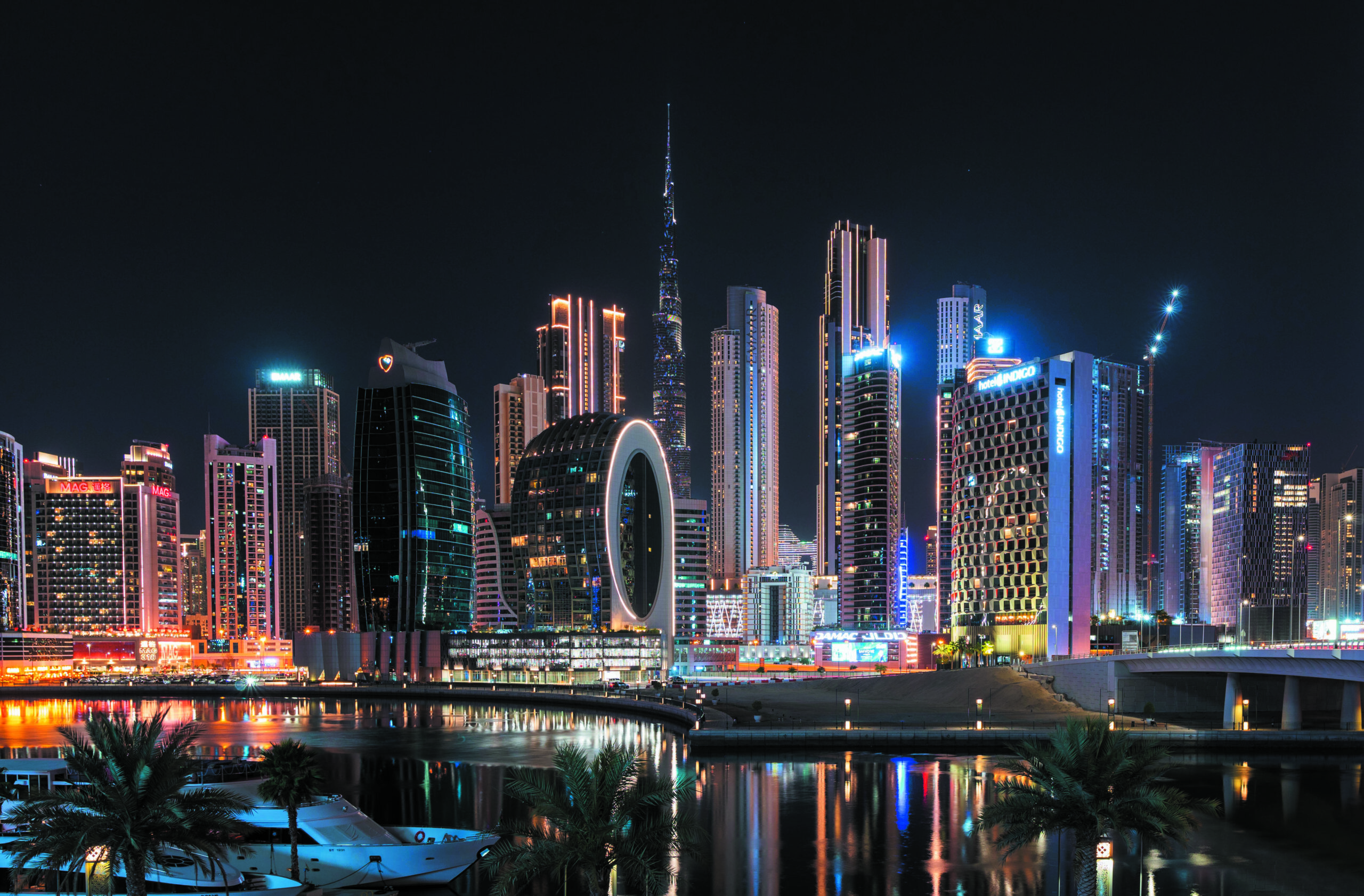
They go to the most populous city of the United Arab Emirates (UAE) in search of its sumptuously extravagant shopping malls, beach resorts or architectural wonders such as the Burj Khalifa, the Burj Al Arab or the man-made Palm Jumeirah island complex. Or possibly as a dramatic stopover on the way to more than 130 onward destinations.
For others, though, it’s a dynamic hub of business opportunity, including energy and renewables, luxury food and drink, technology and innovation, construction, international trade and financial services. All areas in which, veteran expats stress, Scottish companies are ideally placed to do well.
For those who do go with business rather than pleasure on their minds, establishing long-term relationships and partnerships is key, says Robert Bruce , a director at First Step Advisory in Dubai who has more than 20 years’ experience in the energy sector and is also the Scottish Business Network (SBN) ambassador in the city.
“One thing that Dubai has done incredibly well, especially during my time here, is provide that sort of trading environment of networks, partnerships and opportunities to collaborate in bringing expertise and capacity from overseas, including Scotland, into the UAE.”
Having the right distribution partner and connections into the local retail and commercial sectors is essential he believes for international trade, and while the dense population and major food outlets in Dubai present opportunities, they also require the knowledge of what the local market wants.
Forming strategic partnerships with companies in Dubai or finding the right agent or representative can help Scottish companies – especially SMEs – navigate its competitive market and gain access to a large, affluent population.
The city ranks highly in the ease-of-doing-business index – Russell Dalgleish
James Keating, regional director Middle East at Scottish Development International (SDI), agrees: “It’s a face-to-face market and everything is based on relationships. People want to see the whites of your eyes.”
It is also place in which you must be willing to put in considerable background research and work: “It’s a highly saturated market where people are extremely clued up. So, the need to differentiate yourself and to have a USP that involves solving a problem, not just merely selling a service or a product, is key.”
Keating is optimistic about the growth in business between Scotland and the UAE: “I think it’s only increasing. We’ve grown our team in the past year to reflect that and reflect the appetite from Scottish companies to do business here and UAE businesses to accept Scottish products.”
While energy and the transition to its sustainable provision will remain an obvious source of business and international trade for Scottish companies, he adds that food and drinks has always been a mainstay and has seen major growth – as has science and technology
“There are a number of really interesting links between Scotland and the UAE, and we’ve seen a real effort, both from SDI and the Scottish Government, to engage with government and key stakeholders here.
“A sign of that was the memorandum of understanding that we signed in October 2023 to further our interest around energy transition, investment and science and technology,” Keating says.
Dubai recently hosted the Gulfood showcase at the Dubai World Trade Centre and SDI supported some 21 companies at the event.
“We had a Scotland stand with Gary McLean, Scotland’s first National Chef, and our partners Quality Meat Scotland and Seafood Scotland.”
Scottish produce is evident beyond the exhibition floor, however. “Halal lamb is an interesting export, and I have a local retailer downstairs at the office which has about 15 different Scottish yoghurt varieties from one company. You can buy Irn Bru, Scottish salmon and Scottish monkfish,” says Keating.
Perhaps surprisingly for some, alcohol is becoming increasingly accepted: “One of the big importers was telling me about a shop they’re opening in one of the northern Emirates which will stock 400 varieties of Scotch whisky.”
In the energy space, while he emphasises that gas is not going to experience a precipitous demise, Keating says that the UAE energy strategy for 2050 is targeting some £120bn of investment to achieve a 50 per cent clean energy mix.
The Mohammed bin Rashid Al Maktoum solar park is the largest in the world, while Keating says there are opportunities at ADNOC, the Abu Dhabi National Oil Company. “They’re moving into hydrogen in a big way and are allocating $23bn over the coming years in decarbonisation and lower carbon projects.”
Masdar, the body supporting the UAE’s transition toward a knowledge-based economy, is targeting overseas investment in purely renewable energy sources, including wind, solar, battery storage and hydrogen. “Taka Solutions, the big utilities player, has a target of hitting 100 gigawatts by 2030 and now has investment in 40 countries so the UAE’s influence on overseas projects is substantial as well.”
- Abu Dhabi, the UAE’s capital, is only a 45 minute drive from Dubai. It has more than 95 per cent of the vast oil reserves of the UAE, and has overtaken Oslo to become the world’s richest city in terms of assets managed by sovereign wealth funds with $1.7 trillion.
- Property is 20 per cent cheaper than in booming Dubai, while Abu Dhabi is developing its cultural assets with outposts of both the Louvre and Guggenheim.
- Meanwhile Qatar, which is following Dubai’s glittering example, and the island of Bahrain, a former British protectorate and a Silk Road trading post famed for its pearls, are both spending massive amounts on fine hotels and amenities to attract Gulf holidaymakers.
In terms of the knowledge-based economy, Scottish universities have been quick on the uptake. In 2021, Heriot-Watt opened a new campus in Dubai Knowledge Park, and is one of the largest international universiies in the UAE. The University of Strathclyde is celebrating the 30th anniversary of the launch of its MBA in the same park while the University of Stirling has a campus at Ras Al Khaimah in the northern Emirates.
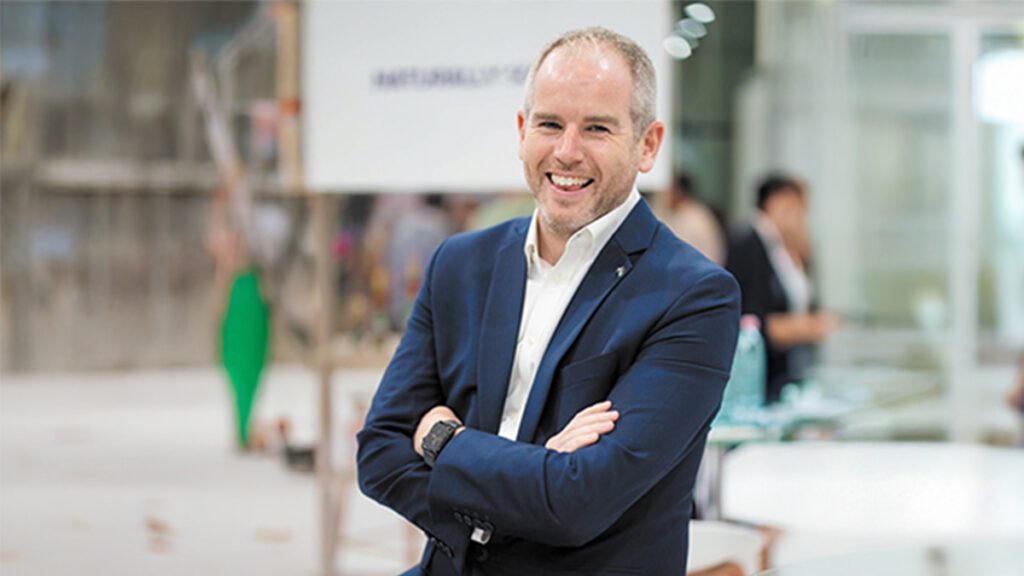
You can’t go too far here without hearing a Scottish accent – James Keating
As entrepreneur and co-founder of SBN, Russell Dalgleish, points out, Dubai is also an important gateway to the Middle East, India, Africa, and South Asia. “The city ranks highly in the ease-of-doing-business index, with zero corporate tax in free zones and full foreign ownership for tech companies and there is high demand for digital solutions with sectors such as finance, healthcare, logistics, and government services all rapidly adopting advanced software solutions,” he says.
Dubai’s Vision 2030 strategy emphasises digital transformation, which is creating demand for AI-driven and automation technologies and the presence of multinational corporations brings international trade and multiple B2B partnership opportunities – all attractive to entrepreneurial Scots.
“With some 3.8 million people in Dubai alone there’s a very large, centralised, stable population with good disposable income and opportunities which makes it more and more conducive for Scots and other UK nationals to expand their operations here,” says Robert Bruce.
He agrees with Keating, however, that it’s not a market in which to dabble.
“It’s very, very aggressive. With the adoption of AI, we’re seeing a lot of start-up companies with AI-driven value propositions but that’s intensely competitive with a lot of technical capability coming in from the Asian markets.
“If you come here you must provide a key differentiator that isn’t available elsewhere at a lower rate – what’s successful in the UK might not necessarily be successful here and vice versa.”
For an authoritative voice of advice SBN is starting to build critical mass. “There are also established networks such as the Energies Industry Council with Ryan McPherson as the regional director, and the Scottish Association dedicated to promoting our culture, tradition and events though its chieftain Iain Hill.
“You can’t go too far here without hearing a Scottish accent – as we’re only a small country we have more GlobalScots here per capita than anywhere else in the world – and seven SDI members of staff to help facilitate business,” says Keating.
