
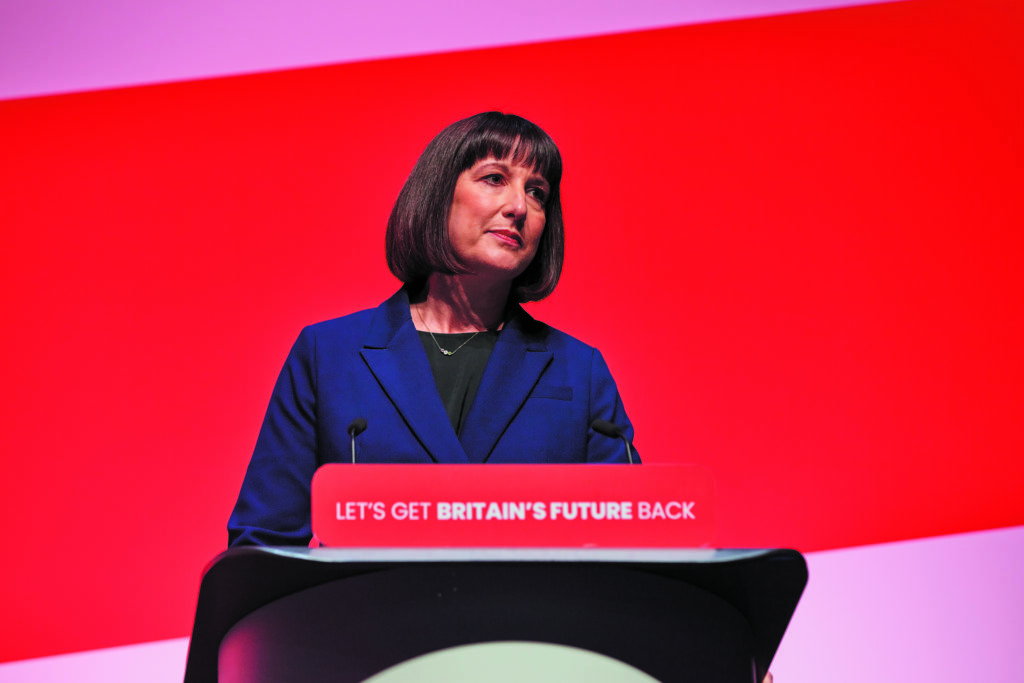
While Chancellor Rachel Reeves didn’t deliver any more tax-rising shocks in her Spring statement, it does not mean she has let higher earners with property assets off the hook. Reeves puts HMRC on track for record inheritance tax haul.
The Chancellor might have hit a raw nerve with Britain’s farmers, but inheritance tax (IHT) has turned out to be a neat revenue stream for a cash-strapped government.
Inheritance tax receipts hit £7bn in the ten months from April 2024 to January 2025, according to figures released by HM Revenue and Customs (HMRC). This is £700m higher than the same ten months last year and continues the upward trajectory over the last two decades.
HMRC raised £7.499bn in the 2023-4 tax year, but these figures show that Reeves puts HMRC on track to smash through this figure for the 2024-5 tax year.
Nicholas Hyett, investment manager at Wealth Club, said: “Inheritance tax continues to be a meal ticket for HMRC. It may only affect a small percentage of estates, but that number is growing.”
Office of Budget Responsibility estimates suggest nearly 10 per cent of estates will pay death duties by 2030 due to increasing house prices, changes to inheritance tax rules and years of allowance freezes.
The main inheritance tax allowance has now been frozen at £325,000 for 15 years, and remains frozen for another five years until 2030, while the £175,000 residence nil-rate band hasn’t changed since 2020.
These freezes can be viewed as a form of stealth tax that allows the UK Government to increase its take without a backlash. The Shadow Chancellor Mel Stride says this has all contributed to the highest tax burden in 70 years (and he did not mention the higher rate taxes in Scotland).
With inheritance tax reliefs for alternative investment market and private businesses set to be severely restricted, lifetime gifts are probably more attractive than ever, particularly regular gifts out of income since these are immediately free of inheritance tax. This approach is particularly popular with grandparents, who use it to pay for things such as school, university or those all-important gap years for their grandchildren.
Read more in our Legal Review 2024: UK Budget delivers generation change in taxes for savers.