

As hospitality weighs the risks of taking on sites, it does not mean last orders are being called in the property sector
Few parts of our national economy have been as bashed and buffeted as much as the hospitality sector. The British Beer and Pub Association estimates that, by year-end, around one pub a day will have closed in 2026, costing 5,000 jobs. Pouring pints and drams at the proverbial Old Bull and Bush is not such a jolly experience these days.
As costs climb and customers tighten their belts, and brewers shift to lighter beers and wines to pay less alcohol duty, figures like that could get worse across the industry.
With every lease or buying decision now carrying more risk, taking on a new site is a daunting prospect for many owners.
Steve Montgomery, the director of the Scottish Hospitality Group, who sold his hotel in Lockerbie a few years ago to make way for a care home, says that venues across Scotland are still changing hands.
“Everything is for sale, at a price. What we are seeing is people who are at the end of their tether, can’t afford to run a place any more, and been on the go a long time. Now they can’t get funding, or any support, so they are putting their premises up for sale.”


The current methodology for assessing rateable value is outdated
— Steve Montgomery
He says this is a forced exit strategy, while there are people who are looking to expand or live that dream of owning a country hotel. “Those who are looking, are examining the books and the cost of refurbishments, and saying ‘That’s what it’s worth’, rather than what the distressed seller is asking for. It is a buyers’ market out there.”
Montgomery, whose 77-year-old father still runs Monty’s bar in Castle Douglas, says that when a village pub closes in Scotland it is very unlikely that it will ever open again.
The sector hoped John Healey’s Budget would bring cuts to business rates and VAT, and although there were steps made in the right direction, it fell short of the lifeline many wanted.
From 1 April 2027, qualifying retail, hospitality and leisure properties in England with a rateable value of up to £18,000 will pay no business rates, while pubs, social clubs and most live music venues will benefit from 35 per cent business rates relief. The rateable value threshold rises from £51,000 to £100,000.
Business rates, or non-domestic rates, are devolved and Scottish businesses, including Montgomery’s Scottish Hospitality Group, which represents family hotel and pub owners through to national chains, are now pressing ministers to follow suit in December’s Scottish Budget.
The Scottish licensed trade is awaiting the findings of the Gill review, which is now the Murphy review and expected in the new year.
“Our argument is that the current methodology for assessing rateable value, which relies heavily on turnover as the primary valuation metric, is fundamentally unfair, economically damaging, structurally ill-suited and outdated,” says Montgomery.
Indeed, it undermines financial stability and penalises well-managed and entrepreneurial businesses that have invested to increase footfall and sales.
Operators with a clear identity … are still finding room to grow
— David Orr

David Orr, partner in Aberdein Considine’s Commercial Real Estate, says there is opportunity for those who are brave.
“While conditions are tough, that does not mean last orders are being called for the sector. Operators with a clear identity, a strong product and the agility to seize the right opportunities are still finding room to grow,” he says.
“Buck’s Bar is one example. The American-themed bar and restaurant chain recently celebrated ten years in business, almost all of it spent navigating one of the toughest decades the sector can remember. It now has six venues across Scotland, mostly in Glasgow and Edinburgh, with St Andrews an addition in 2025.
“Another is Carbeth Plants, which started in Glasgow and runs West End Garden Centre and Homegrown Garden Centre in Gartcosh. It is now acquiring a third site in Fife, expanding its reach to the east of Scotland,” he adds.
“Different as they are, both businesses have grown with their eyes open, understanding what each new site would cost them before committing to it. Seeking expert advice early lets operators understand the full costs they are taking on when planning expansions… and they will be far better placed to negotiate accordingly.”
For a sector running on thin margins, the most important negotiation may happen long before the doors open.
Scotland offers compelling opportunities for commercial property investors
— Louise Norris

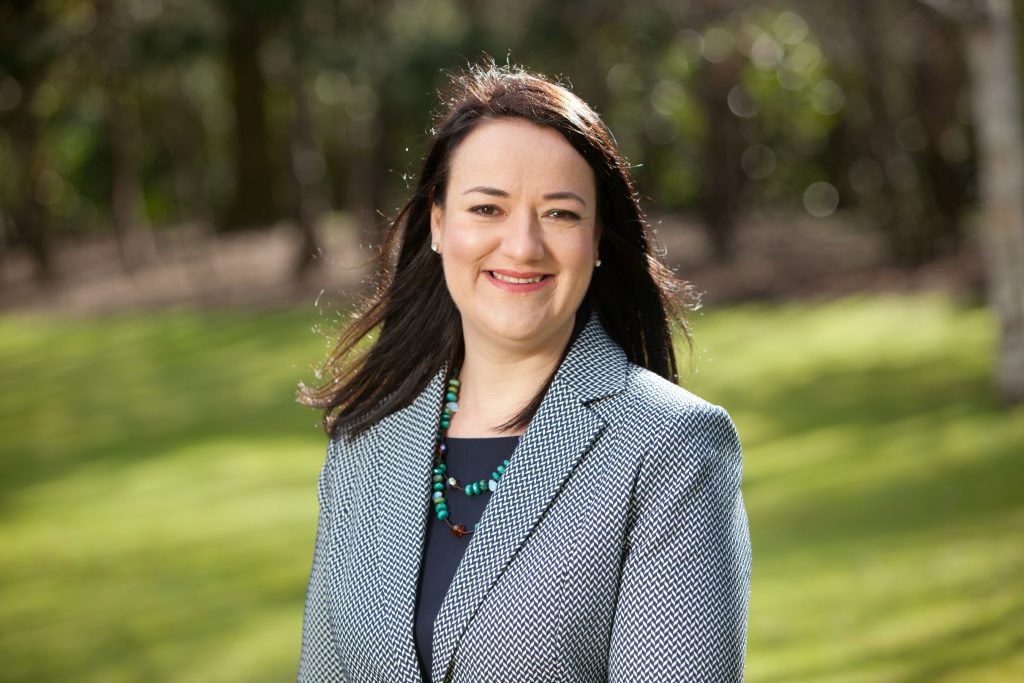
Louise Norris, a commercial property partner at Lindsays, said: “We can see from inquiries and activity throughout the market that interest from English investors, as well as buyers from further afield, is continuing to grow, with Scotland increasingly viewed as an attractive investment destination.
“It’s no secret that London’s commercial property is saturated. That has seen investors turn to the likes of Birmingham and Manchester and we are starting to see them look further north.
“Scotland offers compelling opportunities for commercial property investors. Relative to London, properties of all kinds here are well priced and provide good returns in terms of attractive yields for landlords.
“Investors are interested in tenanted sites, with good rental incomes and long-term leases in place. For older properties, there is also a growing willingness to consider retrofit projects to bring them up to modern standards.
“Across the country, we are seeing investor demand reflected in different ways. In Aberdeen and along the Moray coast, significant infrastructure investment – linked to the energy industry – is having a positive impact on the market there.
“Interesting things are emerging in Glasgow with the prospect of joint venture initiatives with the city council on city centre regeneration. In Edinburgh, hospitality is an increasingly important part of the property market with a number of new hotel developments a key part of regeneration there.
“There is clear appetite from investors to be part of that story, with attractive returns available for the right sites.”
If those fundamentals exist, there will usually be investor interest
— Max Scharbert

Max Scharbert, director at Anderson Strathern, agrees that there is increasing interest from overseas buyers, although transactions below £2m are likely to involve Scottish buyers.
“Private equity is still an important part of that picture. Investors in this area are generally less concerned with ‘trending’ sectors, and more with finding profitable businesses with strong management, reliable revenue streams and the potential to grow.
“If those fundamentals exist, there will usually be investor interest. For example, this year alone we’ve acted on behalf of a variety of clients on deals across the defence, childcare and fintech industry sectors.
“One sector that has demonstrated a strong appetite for investment in Scotland is hospitality and tourism. Our hotels, golf resorts and other leisure assets continue to attract PE investors, established hotel groups and international buyers.
“The demand from overseas visitors remains strong, and Scotland’s global reputation as a tourist destination gives well-positioned businesses and assets a compelling investment case. That’s unlikely to change in 2027.”
Alison Scott, a partner and head of commercial property at MBM Commercial, says a recent uptick in companies facing an insolvency is providing opportunities, but more care is being taken by those looking for assets.
“What has changed is perhaps the pace at which some transactions progress. With a greater degree of uncertainty, businesses and investors are understand-ably taking time to consider their options and assess the factors which might affect a deal.
“That can result in longer lead times, but the underlying appetite to transact has not disappeared,” says Scott.
“In this sort of market, relationships also become increasingly important. Knowing our clients and understanding their businesses allows us to appreciate the wider context behind a property decision, rather than looking at the transaction in isolation.”
How do they judge the future?
“It is a market that perhaps requires a little more patience and pragmatism. While activity may remain below the levels seen in more buoyant periods, opportunities are still there,” she says.