

10 April 2025 | Agenda - Building to Last
Registration, Breakfast / Networking
Call to Panel Session
Panel: Introduction & Discussion
Intro by Event Chair & Discussion: A Spotlight on Infrastructure and the Pipeline of Deals

Editor of The Business, Event Chair
Kenny Kemp
Editor of The Business, Event Chair

Kenny Kemp is an author, editor, journalist, and Editor of The BUSINESS, distributed with the Sunday Times Scotland.
Kenny was the founding Business Editor of The Sunday Herald and Editor of BQ (Business Quarter) Scotland for five years from 2010 until 2015. He was a contributor and later Editor of Scottish Business Insider.
He was also the founding Editor of Panmure House Perspectives [Panmure House is the Edinburgh home of economist Adam Smith and is part of Edinburgh Business School, Heriot-Watt University].
He has been an Associate of the University of Edinburgh Business School since 2015.

Net Zero Director, Scottish National Investment Bank
Jimmy Williamson
Net Zero Director, Scottish National Investment Bank

Jimmy has over 20 years of experience in originating and structuring complex growth financing solutions across multiple sectors, including technology venture capital investment with NatWest and leveraged finance for private equity with Lloyds Banking Group, where he led their regional teams across the UK, including their sector coverage for the oil & gas vertical.
At Lloyds, he also managed its cornerstone investment into Bridges Ventures’ first fund, one of the UK’s first commercially successful impact investment funds.
More recently, he was the commercial director of Calash, a specialist energy and industrials strategic consultancy, helping clients and investors transition business models and monetise sustainable organic and acquisition-led growth in new and existing markets.

FRSE, Chief Executive, Scottish Futures Trust
Peter Reekie
FRSE, Chief Executive, Scottish Futures Trust
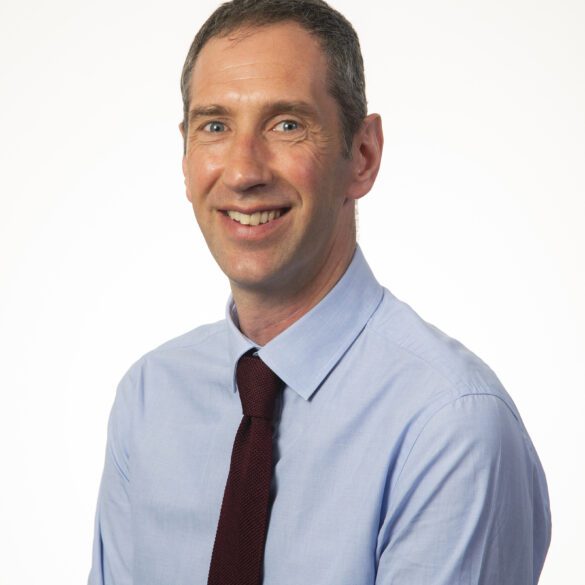
Peter has worked across the private and public sectors as a civil engineer, an infrastructure financier, and an advisor with one of the world’s leading professional services firms.
He joined SFT in 2008, when the Scottish Government established it as a centre of infrastructure expertise and became its chief executive in 2018.
Peter leads SFT’s work, which encompasses long-term strategy development across infrastructure sectors, structuring and managing multi-billion-pound investment programmes, and making the best use of existing assets in the transition to a net zero economy.
Peter is a Fellow of the Institution of Civil Engineers and a Fellow of the Royal Society of Edinburgh.

Chief Executive Officer, Homes for Scotland
Jane Wood
Chief Executive Officer, Homes for Scotland

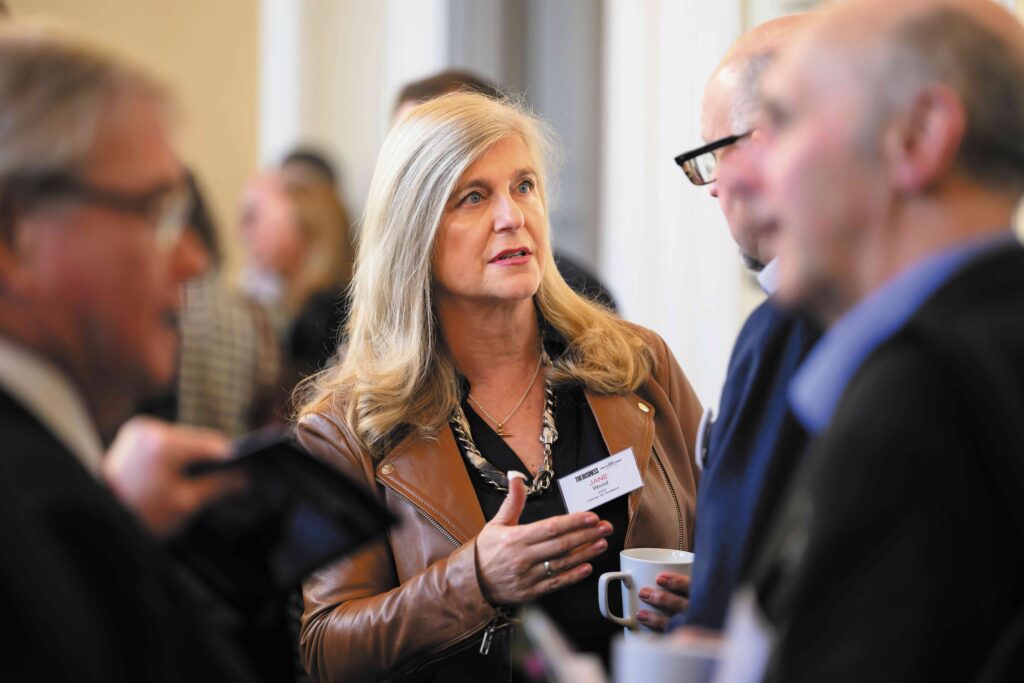
Jane is a well-known and highly regarded business leader in Scotland. She joined as Homes for Scotland’s Chief Executive in June 2022, responsible for driving the organisation forward to achieve its primary goal of delivering more homes for the people of Scotland.
Before this, Jane was BT Group UK Nations and Regions Director and a member of the BT Scotland Board, managing relationships with public bodies, politicians and other key stakeholders on strategic business areas, including climate change, skills, SMEs, infrastructure and public policy affairs.
She was previously also CEO in Scotland and then UK Executive Director for the membership organisation Business in the Community, and Head of Corporate Affairs for Scotland and Northern Ireland for the Walgreens Boots Alliance.

Chair, Noble & Co
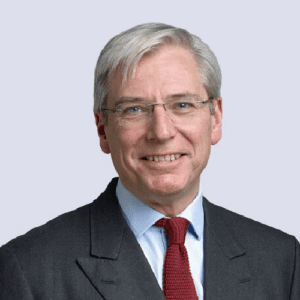
Angus Macpherson
Chair, Noble & Co
Coffee Break / Intermission
Panel: Second Session
What kind of legacy do we want for Scotland?
Editor of The Business, Event Chair
Kenny Kemp
Editor of The Business, Event Chair
Kenny Kemp is an author, editor, journalist, and Editor of The BUSINESS, distributed with the Sunday Times Scotland.
Kenny was the founding Business Editor of The Sunday Herald and Editor of BQ (Business Quarter) Scotland for five years from 2010 until 2015. He was a contributor and later Editor of Scottish Business Insider.
He was also the founding Editor of Panmure House Perspectives [Panmure House is the Edinburgh home of economist Adam Smith and is part of Edinburgh Business School, Heriot-Watt University].
He has been an Associate of the University of Edinburgh Business School since 2015.
Net Zero Director, Scottish National Investment Bank
Jimmy Williamson
Net Zero Director, Scottish National Investment Bank
Jimmy has over 20 years of experience in originating and structuring complex growth financing solutions across multiple sectors, including technology venture capital investment with NatWest and leveraged finance for private equity with Lloyds Banking Group, where he led their regional teams across the UK, including their sector coverage for the oil & gas vertical.
At Lloyds, he also managed its cornerstone investment into Bridges Ventures’ first fund, one of the UK’s first commercially successful impact investment funds.
More recently, he was the commercial director of Calash, a specialist energy and industrials strategic consultancy, helping clients and investors transition business models and monetise sustainable organic and acquisition-led growth in new and existing markets.
FRSE, Chief Executive, Scottish Futures Trust
Peter Reekie
FRSE, Chief Executive, Scottish Futures Trust
Peter has worked across the private and public sectors as a civil engineer, an infrastructure financier, and an advisor with one of the world’s leading professional services firms.
He joined SFT in 2008, when the Scottish Government established it as a centre of infrastructure expertise and became its chief executive in 2018.
Peter leads SFT’s work, which encompasses long-term strategy development across infrastructure sectors, structuring and managing multi-billion-pound investment programmes, and making the best use of existing assets in the transition to a net zero economy.
Peter is a Fellow of the Institution of Civil Engineers and a Fellow of the Royal Society of Edinburgh.
Chief Executive Officer, Homes for Scotland
Jane Wood
Chief Executive Officer, Homes for Scotland
Jane is a well-known and highly regarded business leader in Scotland. She joined as Homes for Scotland’s Chief Executive in June 2022, responsible for driving the organisation forward to achieve its primary goal of delivering more homes for the people of Scotland.
Before this, Jane was BT Group UK Nations and Regions Director and a member of the BT Scotland Board, managing relationships with public bodies, politicians and other key stakeholders on strategic business areas, including climate change, skills, SMEs, infrastructure and public policy affairs.
She was previously also CEO in Scotland and then UK Executive Director for the membership organisation Business in the Community, and Head of Corporate Affairs for Scotland and Northern Ireland for the Walgreens Boots Alliance.
Chair, Noble & Co
Angus Macpherson
Chair, Noble & Co
Finish
Jane Wood
Chief Executive Officer, Homes for Scotland
Jane is a well-known and highly regarded business leader in Scotland. She joined as Homes for Scotland’s Chief Executive in June 2022, responsible for driving the organisation forward to achieve its primary goal of delivering more homes for the people of Scotland.
Before this, Jane was BT Group UK Nations and Regions Director and a member of the BT Scotland Board, managing relationships with public bodies, politicians and other key stakeholders on strategic business areas, including climate change, skills, SMEs, infrastructure and public policy affairs.
She was previously also CEO in Scotland and then UK Executive Director for the membership organisation Business in the Community, and Head of Corporate Affairs for Scotland and Northern Ireland for the Walgreens Boots Alliance.
Jimmy Williamson
Net Zero Director, Scottish National Investment Bank
Jimmy has over 20 years of experience in originating and structuring complex growth financing solutions across multiple sectors, including technology venture capital investment with NatWest and leveraged finance for private equity with Lloyds Banking Group, where he led their regional teams across the UK, including their sector coverage for the oil & gas vertical.
At Lloyds, he also managed its cornerstone investment into Bridges Ventures’ first fund, one of the UK’s first commercially successful impact investment funds.
More recently, he was the commercial director of Calash, a specialist energy and industrials strategic consultancy, helping clients and investors transition business models and monetise sustainable organic and acquisition-led growth in new and existing markets.
Peter Reekie
FRSE, Chief Executive, Scottish Futures Trust
Peter has worked across the private and public sectors as a civil engineer, an infrastructure financier, and an advisor with one of the world’s leading professional services firms.
He joined SFT in 2008, when the Scottish Government established it as a centre of infrastructure expertise and became its chief executive in 2018.
Peter leads SFT’s work, which encompasses long-term strategy development across infrastructure sectors, structuring and managing multi-billion-pound investment programmes, and making the best use of existing assets in the transition to a net zero economy.
Peter is a Fellow of the Institution of Civil Engineers and a Fellow of the Royal Society of Edinburgh.
Angus Macpherson
Chair, Noble & Co
Angus Macpherson is chair of Noble & Co, one of Scotland’s leading financial advisory firms, and chair of the Templeton Emerging Markets Investment Trust PLC and a non-executive director of the Schroder Japan Trust PLC. He co-chaired the Scottish Investor Panel with the First Minister and is a member of the Scottish Government’s Financial Services Growth & Development Advisory Board. Before joining Noble in 2006, Angus began his career with Lazard Brothers and held senior roles at Merrill Lynch in Hong He Kong and Singapore, latterly as Head of Capital Markets and Financing for the Asian region. He joined the board of Edinburgh-based private bank Hampden Bank in October 2021.