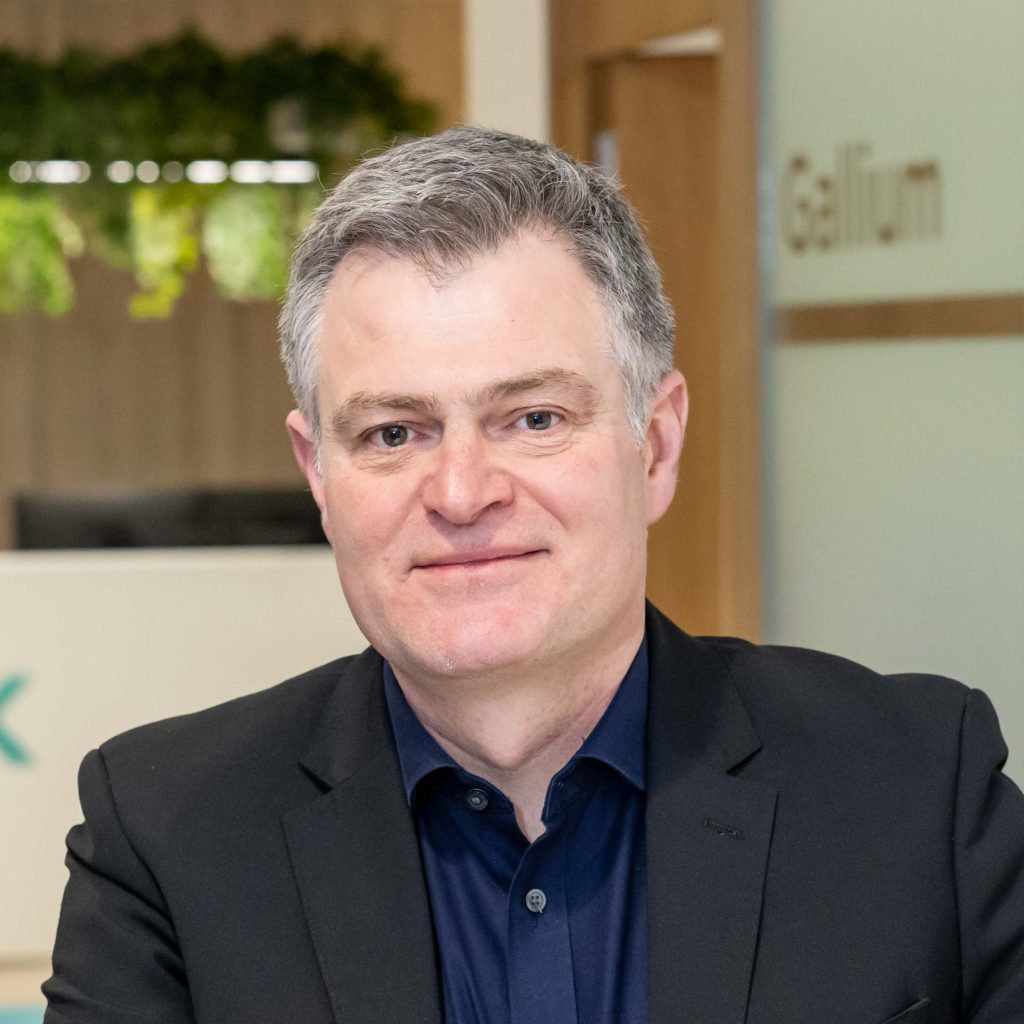
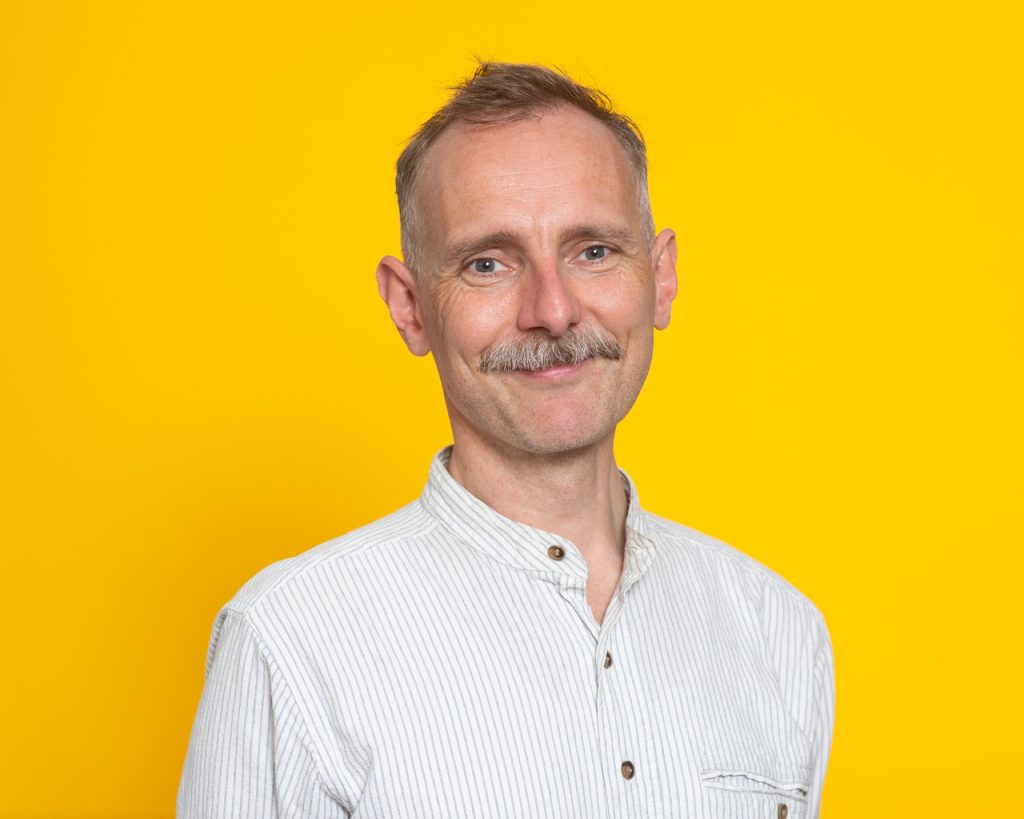
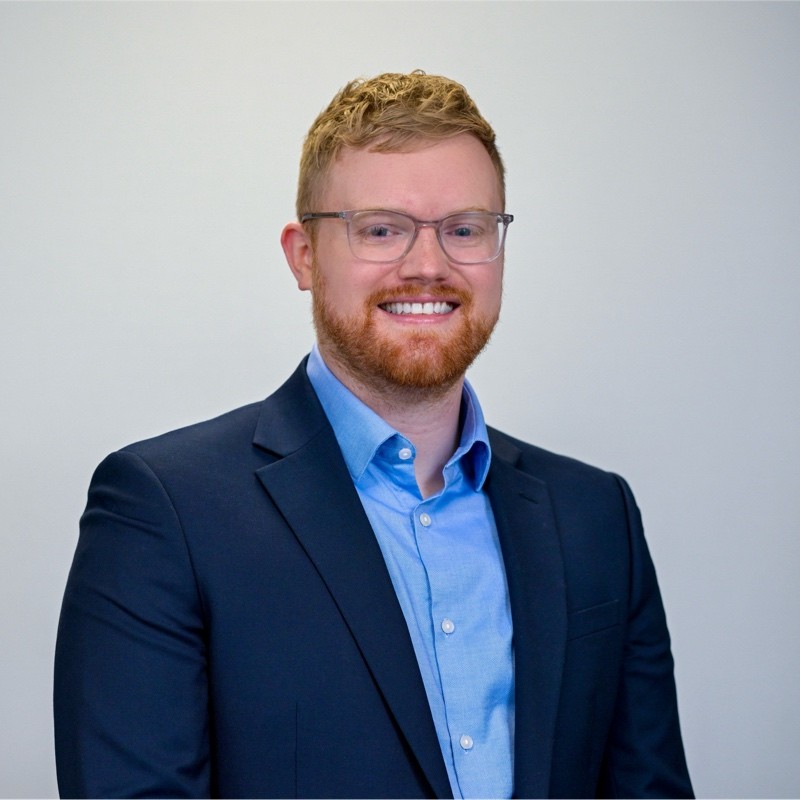
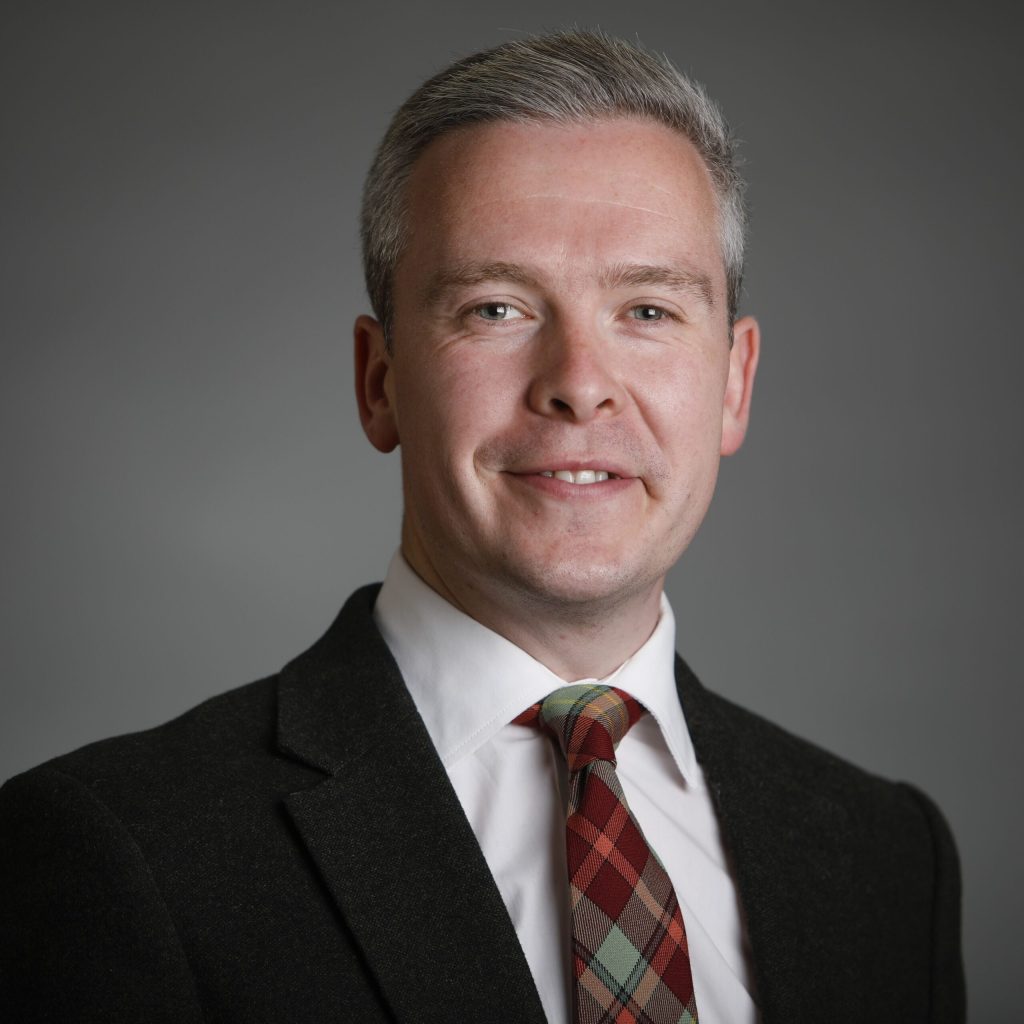
The programme will take a deep dive into the critical issues shaping Scotland’s energy future – from accelerating the clean power transition and unlocking grid capacity, to navigating the future of the North Sea and building the workforce the transition demands. With high-level perspectives from across industry, government and academia, the conference will focus on practical action to deliver Scotland’s energy ambitions at pace and at scale.
Featuring keynote speakers, leading exhibitors and hundreds of delegates from business, government and academia, this is a major Scottish forum for energy leaders in 2026. The programme is designed to reflect every perspective — from policy and regulation to investment, operations and skills.
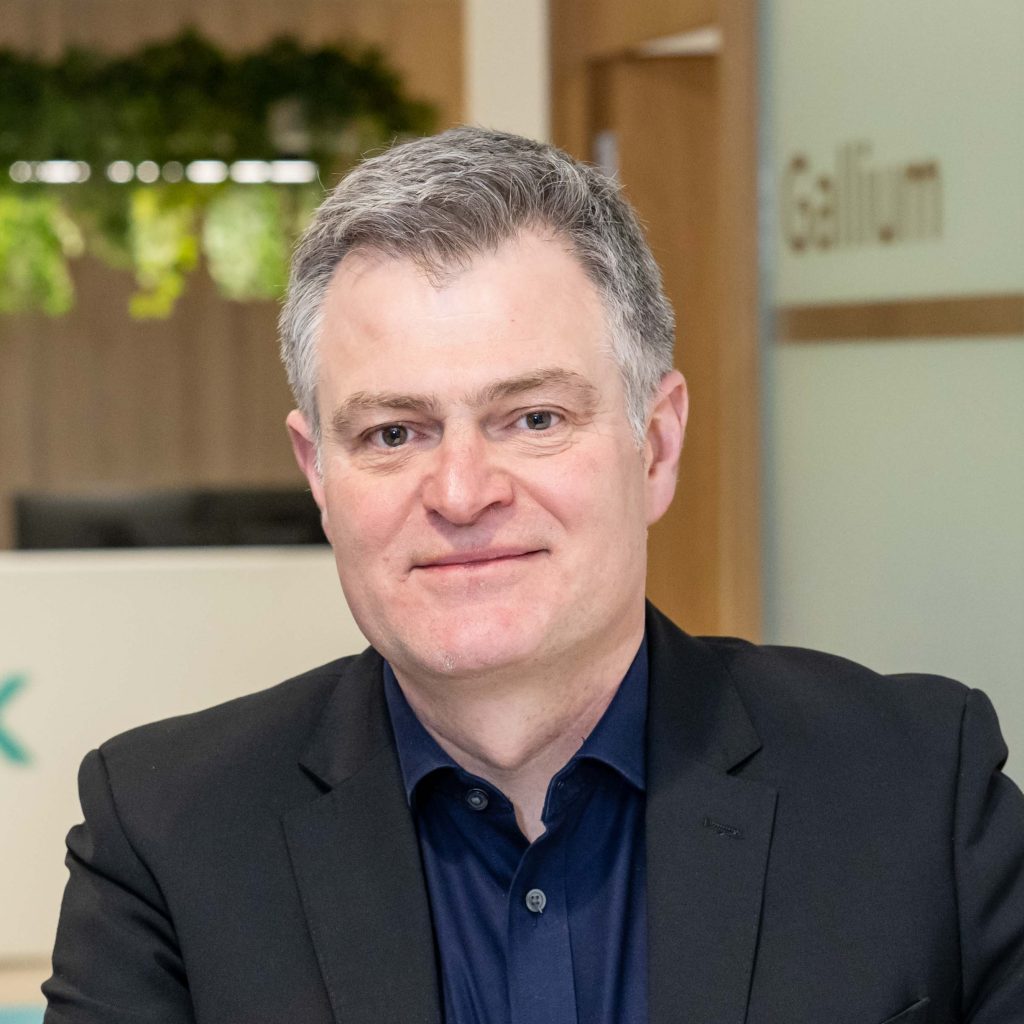
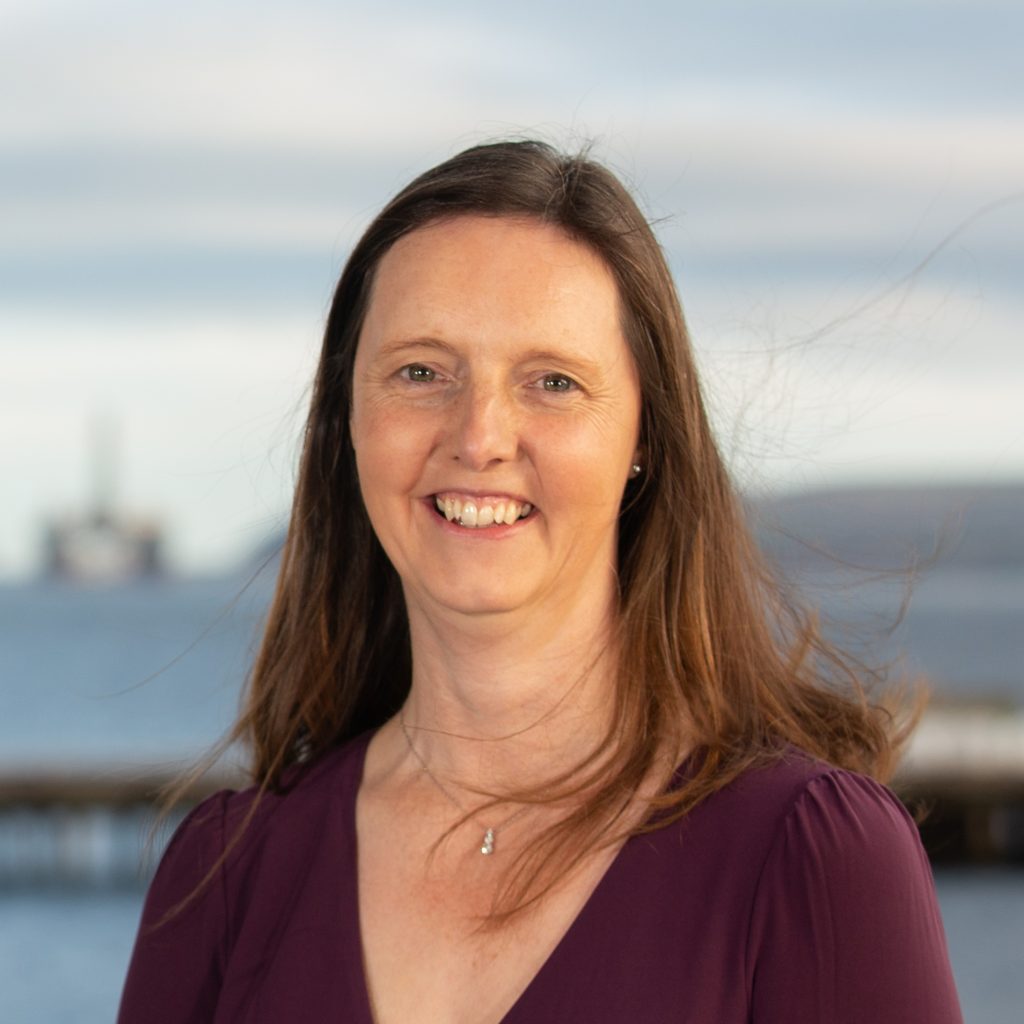
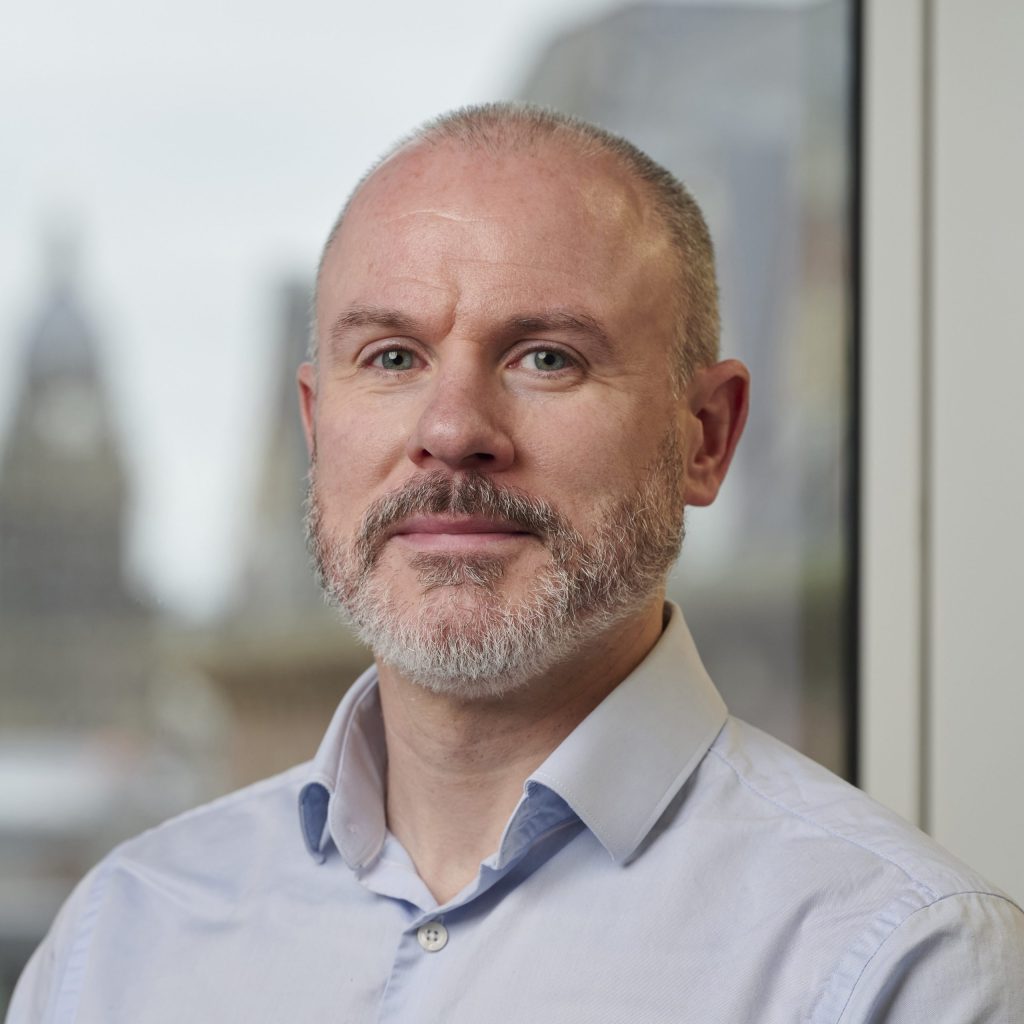
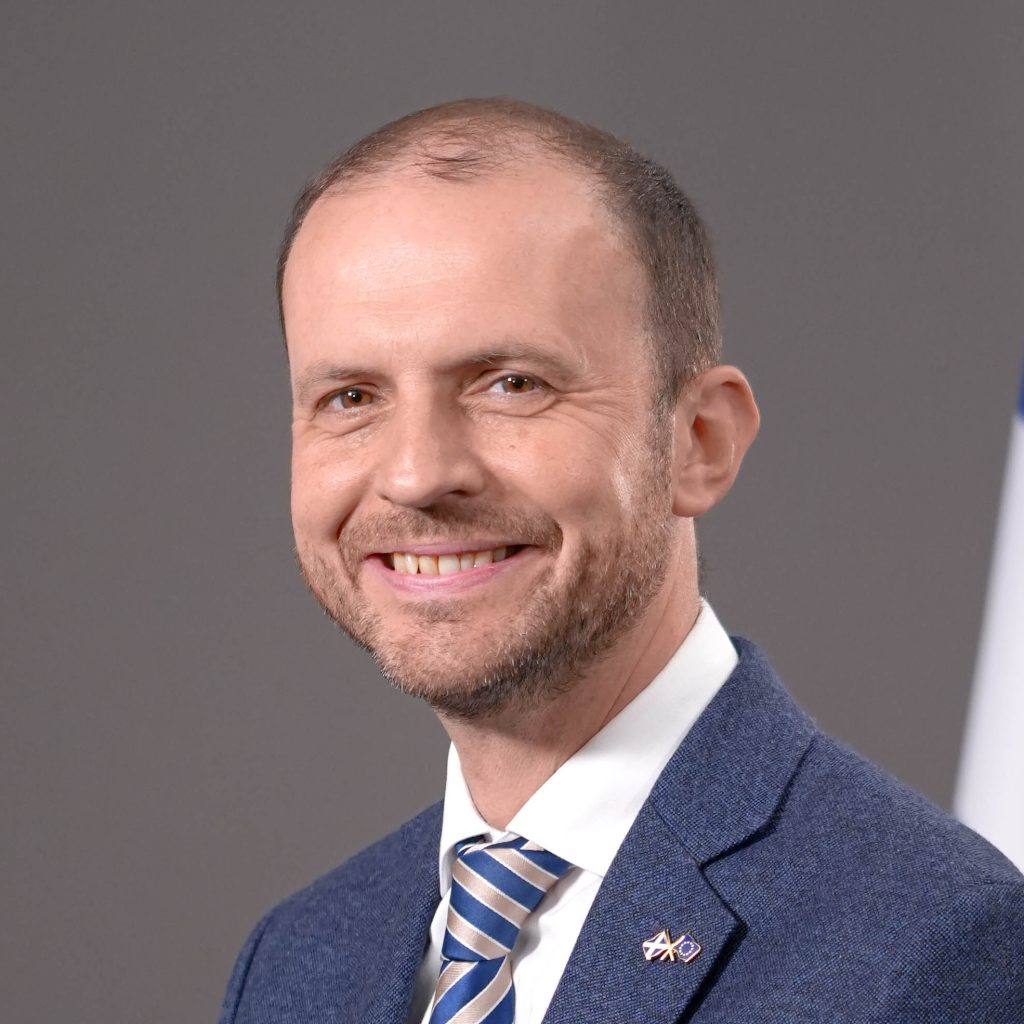
Keynote speakers
Hannah Mary Goodlad MSP
Minister for
Public Finance
The Scottish Parliament
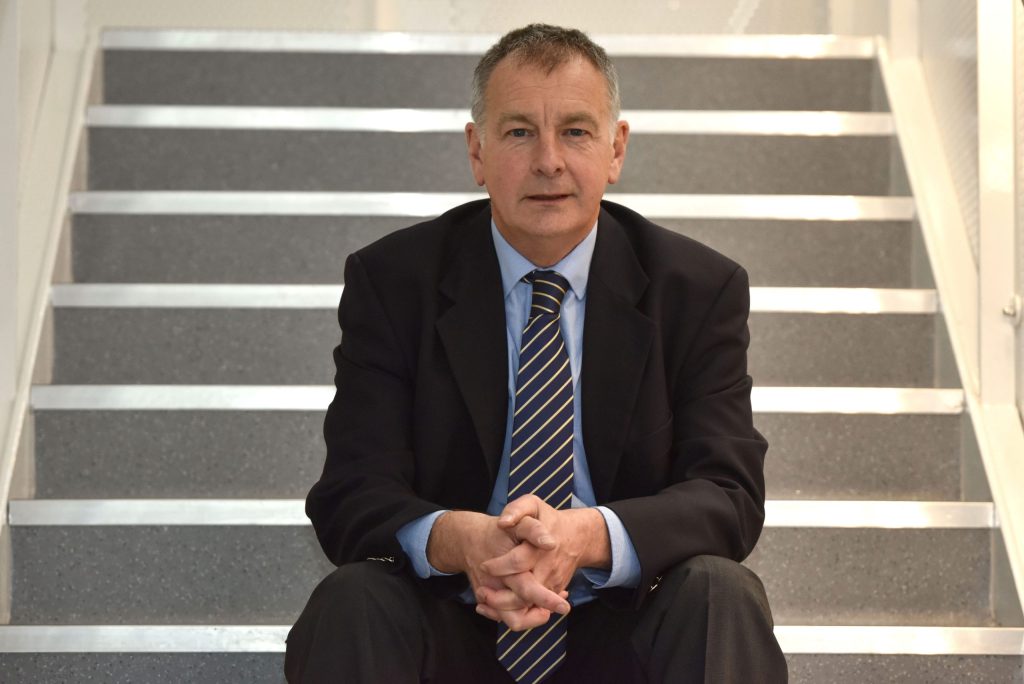
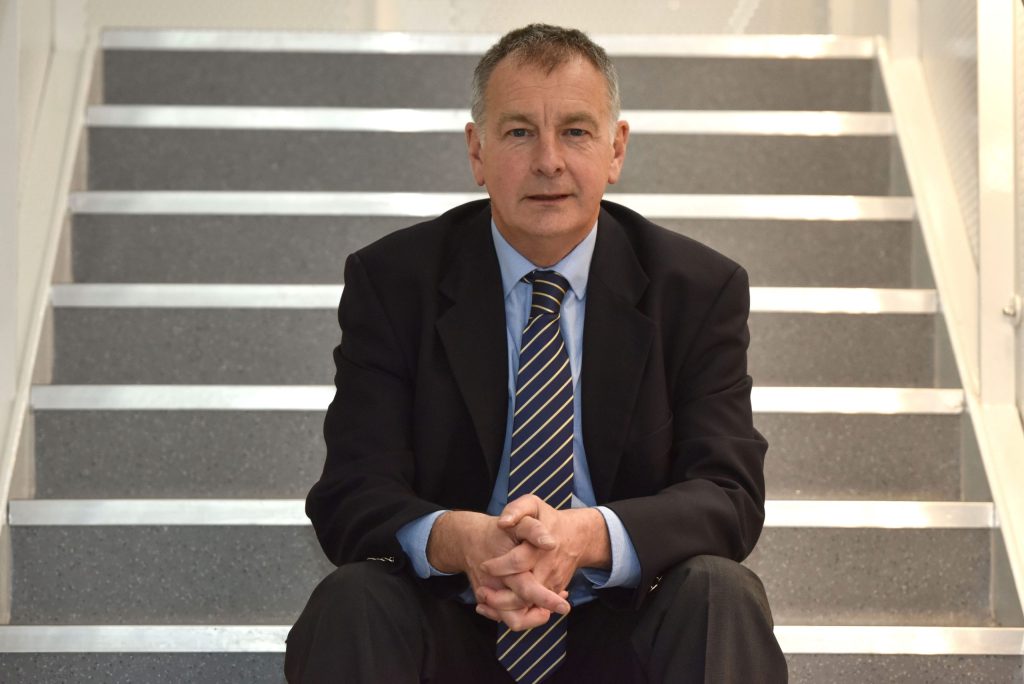
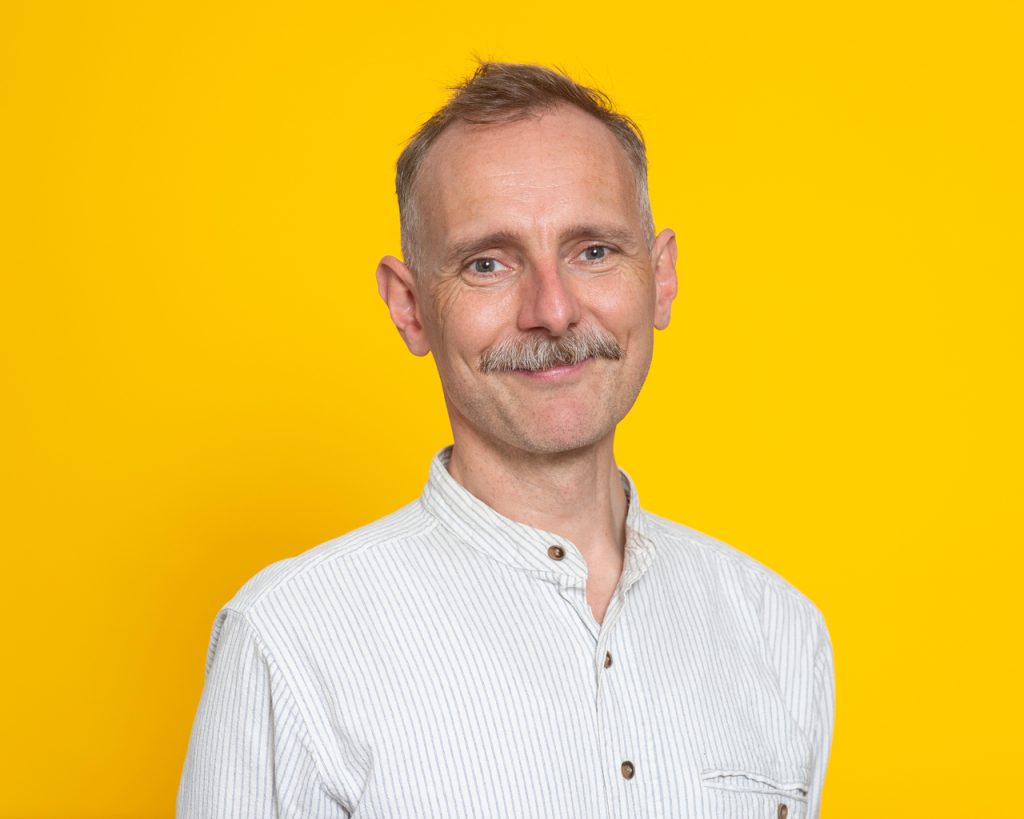
Prof. John Underhill
Interdisciplinary Director
for Energy Transition
University of Aberdeen
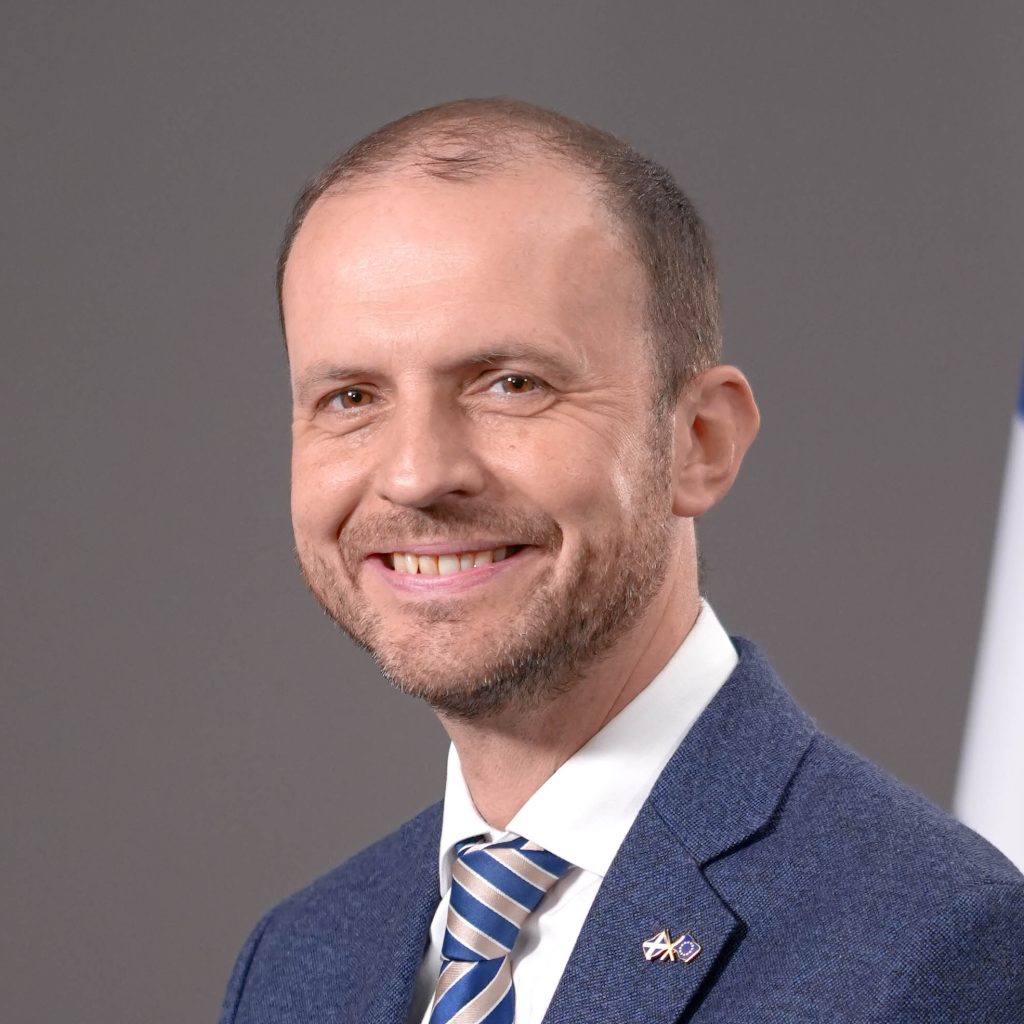
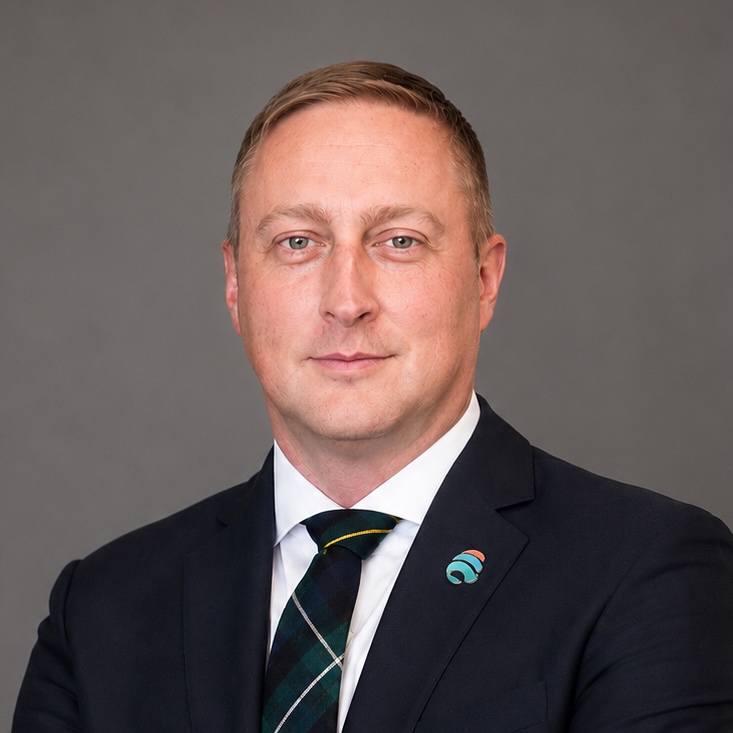
Stephen Gethins MSP
Minister for Europe,
External Affairs and Energy
Scottish Government
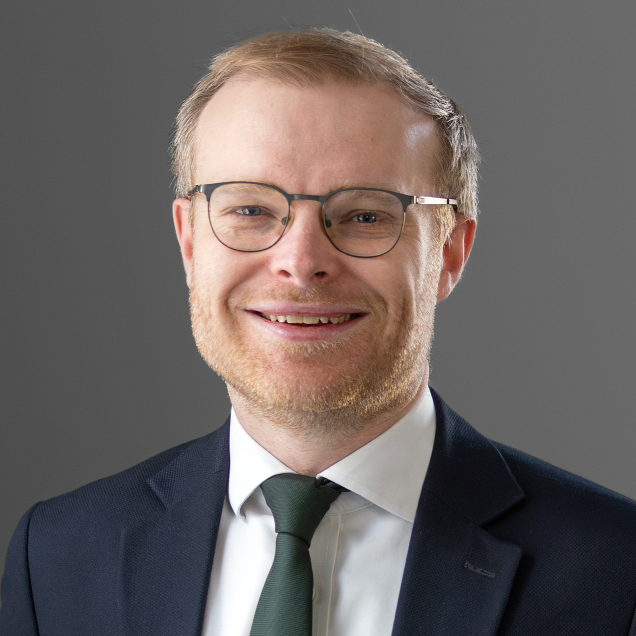
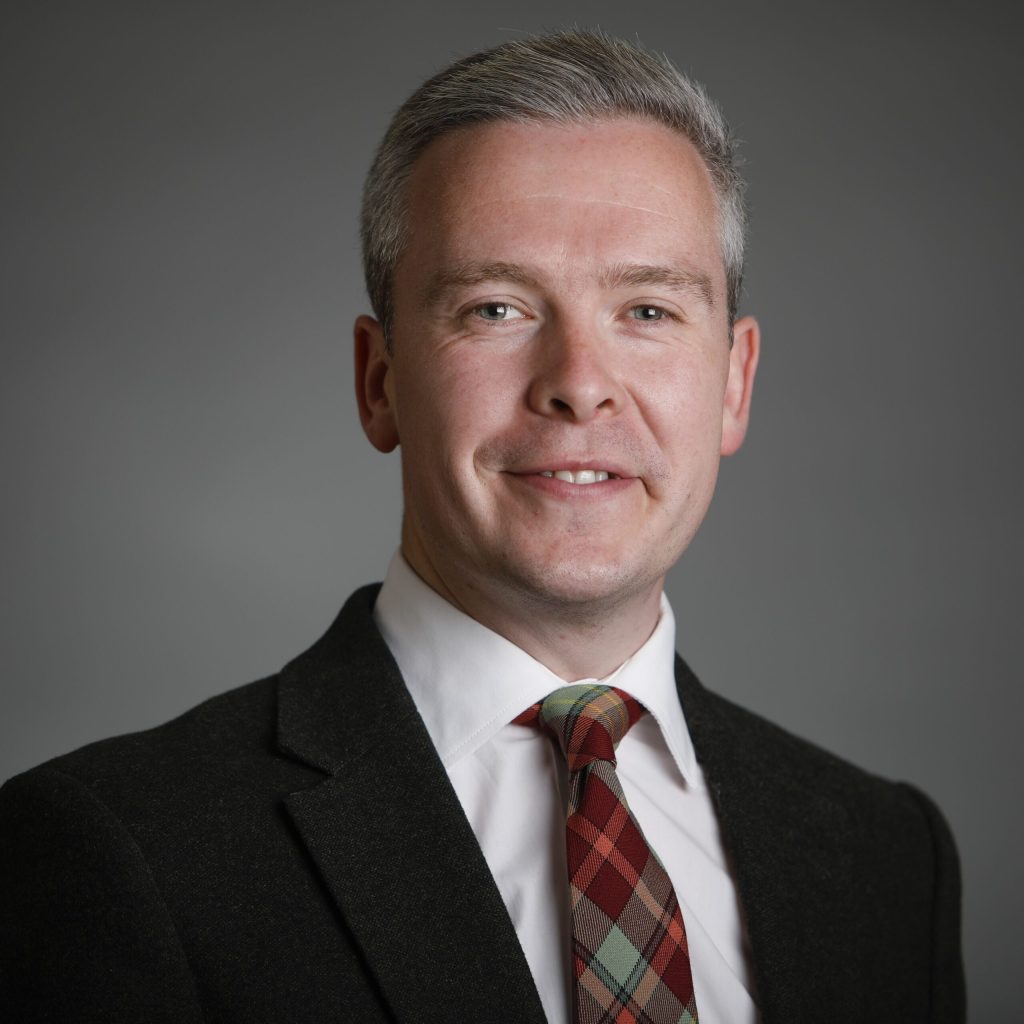
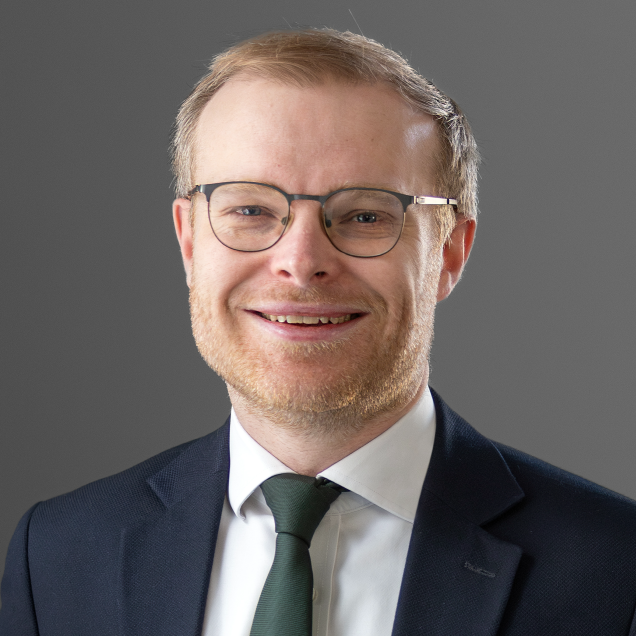
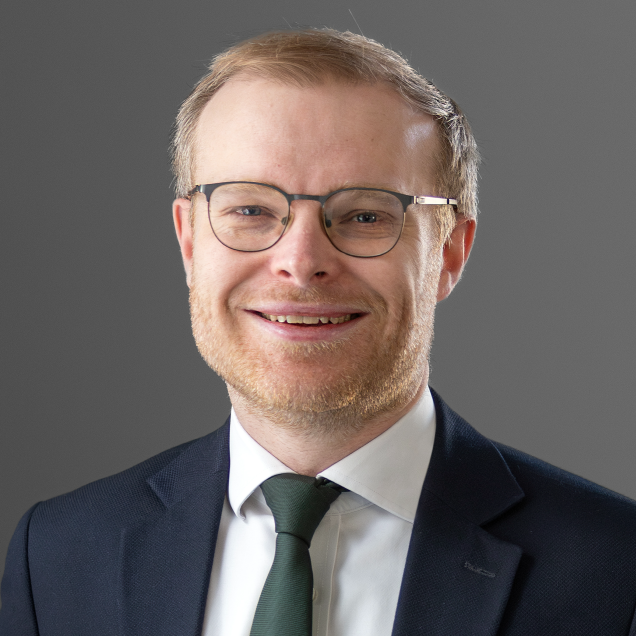
Michael Shanks MP
Minister of State
(Minister for Energy)
UK Government
Confirmed Speakers
08.00 – 08.50
Arrival, refreshments, networking
09.30 – 09.50
How Shetland can lead the way on a Nordic model for all of Scotland
Shetland’s new MSP, Hannah Mary Goodlad, will highlight the unique legislation introduced in Shetland in the 1970s to protect the islands’ wealth and increase local community control, in contrast to the way in which Scotland’s energy wealth has been managed to date. With 15 years working at Equinor around the globe, including in Norway, Ms Goodlad will highlight the Nordic model of energy management, where energy benefits belong to the people – and how Scotland can transition to this kind of model.
09.50 – 10.00
Speakers Q&A
Speakers who delivered keynotes 1 & 2 answer a couple of quickfire questions (time permitting).
10.00 – 10.45
Panel: “Can Scotland’s Grid Keep Up with Ambition?”
Scotland has more renewable generation potential than almost anywhere in Europe, but turning that potential into delivered clean power depends entirely on whether the grid can be built, connected and operated at pace. This panel will interrogate the gap between ambition and delivery — examining where the transmission reinforcement programme stands, how the reformed connections process is working in practice, and whether the regulatory and planning frameworks are genuinely enabling infrastructure at the speed the clean power target demands.
10.45 – 11.05
Break
11.05 – 11.50
Closing the Skills Gap — Who Is Responsible?
Scotland’s energy transition will require a significant expansion of its technical and project delivery workforce across multiple sectors simultaneously — yet industry forecasts consistently highlight material gaps between supply and demand. This panel will examine where accountability for closing those gaps actually sits, how effectively employers, training providers and government are working together, and whether the current funding and planning architecture is fit for the scale of the challenge ahead.
11.55 – 12.25
Data Centres
A New Market for Scotland’s Energy?
How can data centres create new opportunities for Scotland’s energy sector and wider economy? Can the grid meet their power needs, and what role could dedicated generation, direct connections to renewables and storage play?
Speakers tbc
12.25 – 12.50
Panel: CCUS
Scotland’s Bridge Technology or a Distraction?
Carbon capture, utilisation and storage has been repositioned at UK Government level as both a decarbonisation tool and a mechanism to extend the productive life of North Sea infrastructure. For Scotland, the argument is compelling on paper: existing pipelines, depleted reservoirs and an established offshore workforce could give Scottish CCUS projects a structural advantage. But progress on the UK’s cluster sequencing has been slow, and questions remain about whether CCUS is genuinely delivering emissions reduction at pace or providing political cover for continued fossil fuel development. This panel will examine the realistic commercial and infrastructure case for CCUS in Scottish waters, how the relationship between reserved energy policy and Scotland’s own net zero ambitions shapes the debate, and whether the technology can deliver at the scale and speed its proponents claim.
12.50 – 13.50
Lunch
13.50 – 14.25
Panel: Revisiting “No New Nuclear” in a Small Modular Reactor Era
The UK is backing small modular reactors as a central pillar of its civil nuclear roadmap, aiming for up to 24GW of nuclear capacity by 2050. Current Scottish Government policy rules out new nuclear power stations, even as demand grows from AI data centres, carbon capture and hydrogen production. This panel examines whether next‑generation nuclear is simply too good to refuse, how long “no new nuclear” can realistically hold, and what that stance means for Scotland’s ability to capture jobs, investment and industrial growth from the UK’s SMR programme.
14.25 – 15.00
Panel: Is Scotland’s Energy Mix Still Investable?
The North Sea remains a critical part of Scotland’s economy, but investors are increasingly looking at the full spectrum of opportunities – offshore wind, onshore renewables, grid reinforcement, flexible generation, storage, CCUS, hydrogen and energy efficiency – alongside upstream oil and gas. This panel will examine how capital is being allocated across that spectrum, how fiscal and regulatory choices for oil and gas interact with investment in low‑carbon projects, and what signals long‑term investors need to commit to multi‑decade assets in Scottish waters and onshore. Panellists will consider whether Scotland is sending a coherent “whole‑system” investment message and how to avoid a disorderly retreat of capital that undermines both energy security and net zero goals.
15.00 – 15.35
Panel: Is Scotland Maximising Its Renewables Estate?
Scotland’s renewable energy ambition has long been defined by wind, but the next phase of the transition demands a broader and more sophisticated portfolio. Solar is emerging as a credible part of Scotland’s renewables mix, with the Scottish Government setting a draft ambition of 6 GW by 2030 and the south of Scotland identified as particularly well-suited to large-scale deployment. Repowering ageing wind sites offers significant additional capacity on already-consented land, and emerging technologies from tidal stream to long-duration storage are moving closer to commercial scale. This panel will examine whether Scotland’s planning, consenting and investment environment is keeping pace with this more complex renewables landscape.
15.35 – 16.00
Break
16.20 – 16.50
Q&A with Ministers
Facilitated by chair, questions from delegates.
16.50
Close
Final remarks from chair, thanks and event close.

Erikka Askeland
News Editor
Energy Voice
Hannah Mary Goodlad MSP
Minister for Public Finance
The Scottish Parliament
Prof. John Underhill
Interdisciplinary Director
for Energy Transition
University of Aberdeen
Christianna Logan
Director of Connections,
Customers and Stakeholders
SSEN Transmission
Claire Dykta
Director of Strategy and Policy
& Chief Strategy Officer
NESO
Ross McKenzie
Chief Corporate Affairs
and Sustainability Officer
Drax Group
Isla Robb
Director of Supply Chain,
Skills & Community
ETZ Ltd
Joanne Allday
Head of Strategy
& Business Development
Port of Cromarty Firth
Eddie McAvinchey
Director for Scotland
(Investment and Advisory)
National Wealth Fund
Andy Brooks
Director of New Ventures
North Sea Transition Authority
Stephen Gethins MSP
Minister for Europe,
External Affairs and Energy
Scottish Government
Michael Shanks MP
Minister of State
(Minister for Energy)
UK Government
David Whitehouse
CEO
Offshore Energies UK
(OEUK)
Dr Kenneth Leitch
Principal Investigator
HCI Skills Gateway
Jamie Bannerman
Associate Director
Copper Consultancy
Alison Wilson
Managing Director
Inverness & Cromarty Firth
Green Freeport
David Green MSP
Scottish Liberal Democrats
Scottish Government
Dr Christian Calvillo Munoz
Senior Research Fellow
Centre for Energy Policy,
University of Strathclyde
Prof. Dame Fiona Rayment
Nuclear Advisor, Trustee and Non Executive
Director, Immediate Past President
The Nuclear Institute
Dougie Knox
Strategic Partnership Manager
Energy Skills Partnership
Lynsey Shovlin
Offshore Wind Development Manager
(Supply Chain)
Crown Estate Scotland
Jenny MacDonald
UK Social Investment Manager
Shell UK
Mark Wilson
CEO
ILI Group
Barry Carruthers
Chief Strategy Officer
Global
08.50 – 09.00
Registration & refreshments
08.50 – 09.00
Registration & Refreshments
08.50 – 09.00
Chair’s welcome & Introduction
Scotland has more renewable generation potential than almost anywhere in Europe, but turning that potential into delivered clean power depends entirely on whether the grid can be built, connected and operated at pace. Scene‑setting plenary with sponsor remarks, keynote addresses and a Nordic model case study, culminating in an expert grid panel.
09.50 – 10.00
Questions from the audience
09.50 – 10.00
Questions from the audience
10.00 – 10.45
Can Scotland’s Grid Keep Up with Ambition?
Scotland has no shortage of renewable energy ambition, but can the grid keep pace? This session will bring together those responsible for planning, operating and delivering our electricity network to examine what is changing, where the barriers remain and what needs to happen now to unlock investment and accelerate delivery.
10.00 – 10.45
Can Scotland’s Grid Keep Up with Ambition?
11.05 – 11.50
Closing the Skills Gap — Who Is Responsible?
Scotland’s energy ambitions will only be delivered if we have the workforce to match them. With major projects competing for the same skills, this session will examine where the biggest gaps are emerging, who is responsible for closing them, and what industry, government and education need to do differently.
11.55 – 12.25
Masterclass 1: Hydropower & Pumped Storage
Scotland has the water, infrastructure, and expertise to lead the next era of hydropower. With major pumped-storage projects progressing, this masterclass will explore how Scotland can turn its natural advantage into long-term energy storage, unlock investment and supply-chain opportunities, and deliver the flexibility our increasingly renewable electricity system needs.
Masterclass 2: Tidal Energy
Scotland is already at the forefront of tidal energy innovation, but can it turn that expertise into a commercial industry? This masterclass will explore what needs to happen next to accelerate deployment, attract investment, strengthen the domestic supply chain, and ensure Scotland captures the economic opportunity from a technology it has helped pioneer.
11.55 – 12.25
Masterclass 1: Hydropower & Pumped Storage (tbc)
Masterclass 2: Tidal Energy (tbc)
12.25 – 12.30
Transition
12.25 – 12.30
Transition
12.30 – 13.00
Masterclass 3: Battery Storage & Flexibility
As renewable generation grows, Scotland needs the ability to store power and use it when it is most needed. This masterclass will examine the rapidly growing battery storage market, the role it can play in balancing the grid, and what is needed to turn Scotland’s significant project pipeline into operational infrastructure.
Masterclass 4: Renewable-powered Data centres
AI and data centres are creating unprecedented demand for electricity, but could that demand become an opportunity for Scotland? This masterclass will explore how our renewable resources could help attract the digital industries of the future, while addressing the challenges around grid capacity, energy efficiency, resilience, and the delivery of sustainable economic growth.
12.30 – 13.00
Masterclass 3: Battery Storage & Flexibility (tbc)
Masterclass 4: Renewable-powered industry data centres (tbc)
13.00 – 14.00
Lunch and networking
14.00 – 14.45
(Track A)
Leadership 1
Revisiting “No New Nuclear” in a Small Modular Reactor Era
Scotland’s opposition to new nuclear was shaped in a very different energy landscape. With small modular reactors emerging and electricity demand rising, this session will revisit whether that position remains sustainable and examine what Scotland’s nuclear policy could mean for future investment, skilled jobs, energy security, and industrial growth.
14.00 – 14.45
(Track A)
Leadership 1
Revisiting “No New Nuclear” in a Small Modular Reactor Era
14.00 – 14.45
(Track A)
Leadership 2
Is Scotland’s Energy Mix Still Investable? Revisiting “No New Nuclear” in a Small Modular Reactor Era
Billions of pounds of energy investment are within Scotland’s reach, but capital has choices. This session will examine where investors see opportunity, what is undermining confidence and whether Scotland is sending a clear enough message to the market to secure the long-term investment needed across its changing energy mix.
14.00 – 14.45
(Track A)
Leadership 2
Is Scotland’s Energy Mix Still Investable? Revisiting “No New Nuclear” in a Small Modular Reactor Era
14.50 – 15.35
(Track B)
Leadership 3
Is Scotland Maximising Its Renewables Estate?
Scotland has extraordinary renewable energy resources, but generating more power is only part of the opportunity. This session will ask whether Scotland is extracting maximum economic value from its renewable’s estate, from jobs and supply chains to communities and inward investment, and what needs to change to deliver greater benefit at home.
14.50 – 15.35
(Track B)
Leadership 3
Is Scotland Maximising Its Renewables Estate?
Is Scotland’s planning, consenting and investment framework enabling solar, repowering and emerging technologies like tidal and long‑duration storage to fulfil their role in a more complex renewables mix?
14.50 – 15.35
(Track B)
Leadership 4
CCUS: Scotland’s Bridge Technology or a Distraction?
Scotland has the geology, industrial clusters, and offshore expertise to become a major player in carbon capture and storage, but questions remain about cost, scale, and delivery. This session will examine the case for CCUS, where the opportunity lies and whether it can deliver meaningful decarbonisation alongside economic value for Scotland.
14.50 – 15.35
(Track B)
Leadership 4
CCUS: Scotland’s Bridge Technology or a Distraction?
Does CCUS genuinely offer Scotland a competitive advantage by reusing offshore infrastructure and skills, or is it slowing emissions reduction and extending fossil fuel dependence under political cover?
15.35 – 16.00
Refreshments and networking
15.35 – 16.00
Refreshments and networking
16.20 – 16.50
Q&A
Delegates will have the opportunity to ask ministers direct questions.
16.20 – 16.50
Q&A
Delegates will have the opportunity to ask ministers direct questions.
Agenda & Timings
Erikka Askeland, News Editor, Energy Voice
Ross McKenzie, Chief Corporate Affairs & Sustainability Officer, Drax
Professor John Underhill, Transition and Professor in Geoscience and Energy Transition, University of Aberdeen
Shetland’s new MSP, Hannah Mary Goodlad, will highlight the unique legislation introduced in Shetland in the 1970s to protect the islands’ wealth and increase local community control, in contrast to the way in which Scotland’s energy wealth has been managed to date. With 15 years working at Equinor around the globe, including in Norway, Ms Goodlad will highlight the Nordic model of energy management, where energy benefits belong to the people – and how Scotland can transition to this kind of model.
Speakers who delivered keynotes 1 & 2 answer a couple of quickfire questions (time permitting).
Professor John Underhill, Transition and Professor in Geoscience and Energy Transition, University of Aberdeen
Hannah Mary Goodlad MSP, Minister for Public Finance, Scottish Government
Scotland has more renewable generation potential than almost anywhere in Europe, but turning that potential into delivered clean power depends entirely on whether the grid can be built, connected and operated at pace. This panel will interrogate the gap between ambition and delivery — examining where the transmission reinforcement programme stands, how the reformed connections process is working in practice, and whether the regulatory and planning frameworks are genuinely enabling infrastructure at the speed the clean power target demands.
Christianna Logan, Director of Connections, Customers and Stakeholders, SSEN
Lee Dawes, Chief Operations Officer, Drax
Claire Dykta, Director of Policy and Strategy, NESO
Barry Carruthers, Chief Strategy Officer, Global
Scotland’s energy transition will require a significant expansion of its technical and project delivery workforce across multiple sectors simultaneously — yet industry forecasts consistently highlight material gaps between supply and demand. This panel will examine where accountability for closing those gaps actually sits, how effectively employers, training providers and government are working together, and whether the current funding and planning architecture is fit for the scale of the challenge ahead.
Isla Robb, Director of Supply Chain, Skills & Community, ETZ Ltd
Dr Kenneth Leitch, Principal Investigator, HCI Gateway
Dougie Knox, Strategic Partnership Manager, Energy Skills Partnership
Jenny MacDonald, UK Social Investment Manager, Shell UK
How can data centres create new opportunities for Scotland’s energy sector and wider economy? Can the grid meet their power needs, and what role could dedicated generation, direct connections to renewables and storage play?
Speakers tbc.
Carbon capture, utilisation and storage has been repositioned at UK Government level as both a decarbonisation tool and a mechanism to extend the productive life of North Sea infrastructure. For Scotland, the argument is compelling on paper: existing pipelines, depleted reservoirs and an established offshore workforce could give Scottish CCUS projects a structural advantage. But progress on the UK’s cluster sequencing has been slow, and questions remain about whether CCUS is genuinely delivering emissions reduction at pace or providing political cover for continued fossil fuel development. This panel will examine the realistic commercial and infrastructure case for CCUS in Scottish waters, how the relationship between reserved energy policy and Scotland’s own net zero ambitions shapes the debate, and whether the technology can deliver at the scale and speed its proponents claim.
Andy Brooks, Director of New Ventures, North Sea Transition Authority
Dr Christian Calvillo, Senior Research Fellow, University of Strathclyde
The UK is backing small modular reactors as a central pillar of its civil nuclear roadmap, aiming for up to 24GW of nuclear capacity by 2050. Current Scottish Government policy rules out new nuclear power stations, even as demand grows from AI data centres, carbon capture and hydrogen production. This panel examines whether next‑generation nuclear is simply too good to refuse, how long “no new nuclear” can realistically hold, and what that stance means for Scotland’s ability to capture jobs, investment and industrial growth from the UK’s SMR programme.
Jamie Bannerman, Associate Director, Copper Consultancy
David Green MSP, Scottish Liberal Democrats, Scottish Parliament
Prof. Dame Fiona Rayment, Nuclear Advisor, Trustee and Non Executive Director, Immediate Past President, The Nuclear Institute
The North Sea remains a critical part of Scotland’s economy, but investors are increasingly looking at the full spectrum of opportunities – offshore wind, onshore renewables, grid reinforcement, flexible generation, storage, CCUS, hydrogen and energy efficiency – alongside upstream oil and gas. This panel will examine how capital is being allocated across that spectrum, how fiscal and regulatory choices for oil and gas interact with investment in low‑carbon projects, and what signals long‑term investors need to commit to multi‑decade assets in Scottish waters and onshore. Panellists will consider whether Scotland is sending a coherent “whole‑system” investment message and how to avoid a disorderly retreat of capital that undermines both energy security and net zero goals.
Alison Wilson, Managing Director, Inverness and Cromarty Firth Green Freeport
David Whitehouse, Chief Executive Officer, OEUK
Mark Wilson, CEO, ILI Group
Scotland’s renewable energy ambition has long been defined by wind, but the next phase of the transition demands a broader and more sophisticated portfolio. Solar is emerging as a credible part of Scotland’s renewables mix, with the Scottish Government setting a draft ambition of 6 GW by 2030 and the south of Scotland identified as particularly well-suited to large-scale deployment. Repowering ageing wind sites offers significant additional capacity on already-consented land, and emerging technologies from tidal stream to long-duration storage are moving closer to commercial scale. This panel will examine whether Scotland’s planning, consenting and investment environment is keeping pace with this more complex renewables landscape.
Joanne Allday, Head of Strategy and Business Development, Port of Cromarty Firth
Eddie McAvinchey, Director for Scotland, National Wealth Fund
Lynsey Shovlin, Offshore Wind Development Manager (Supply Chain), Crown Estate Scotland
Scotland has the geology, industrial clusters, and offshore expertise to become a major player in carbon capture and storage, but questions remain about cost, scale, and delivery. This session will examine the case for CCUS, where the opportunity lies and whether it can deliver meaningful decarbonisation alongside economic value for Scotland.
Andy Brooks, Director of New Ventures, North Sea Transition Authority
Dr Christian Calvillo, Senior Research Fellow, University of Strathclyde
Stephen Gethins MSP, Minister for Europe, External Affairs and Energy, Scottish Government
Michael Shanks MP, Minister for Energy, UK Government
Facilitated by chair, questions from delegates.
Final remarks from chair, thanks and event close.

Canongate Communications Ltd
42 St Mary’s St, Edinburgh EH1 1SX.

Company Reg: SC296936
VAT 905292530
© Canongate Communications 2026