
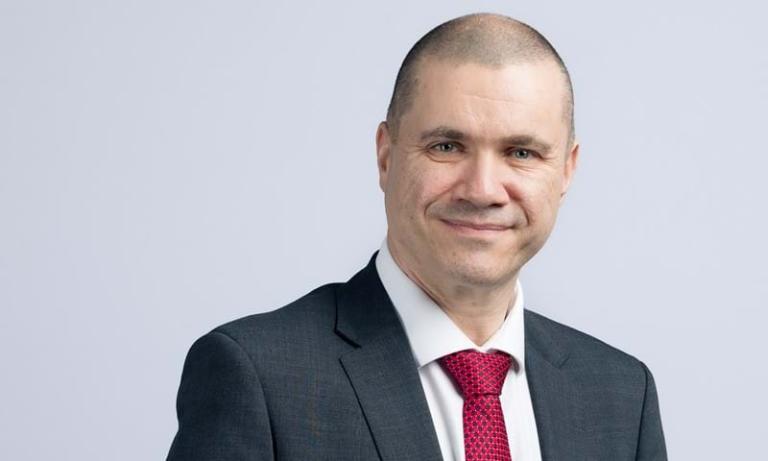
The new chief executive officer of Scotland’s national investment bank, David Ritchie, remains upbeat about the future despite posting yearly results which show a net loss of £138m.
These losses reflects the combined failure of three early investments, M Squared Lasers, space company Orbex, and Trojan Energy, which cost the bank £65m plus £85m of losses due to the write down of other investments.
This was all accounted for in the Scottish National Investment Bank annual report and accounts, covering the period 1 April 2025 to 31 March 2026. Last month, the bank published an updated investment strategy – overseen by newly appointed Ritchie as CEO – which strengthens the bank’s commercial terms.
Speaking to The Business, he said: “We’re a development bank and that we are playing this role, which means we are taking more risk to support development in Scotland. It is always expected that there would be losses. While these losses are challenging, we fully expected that at the outset of the bank’s creation. The point is that we’re a long-term patient capital investor. That was made clear when we were established, and that’s been very clear within our mandate and our remit.”
The results reflect a challenging operating environment for Scotland’s early-stage businesses.
On the positive side of the balance sheet, there are definite signs of operational progress with £374m assigned to Scottish businesses and projects – the most since the bank’s creation – with a further £445m from other investors putting in cash alongside the bank.
What has pleased Ritchie is that the bank has generated an operating profit of £12m, with income of £32m covering running costs of £20m, which was below budget.
In total, the bank has committed over £1.2bn to 53 businesses and projects. Alongside its own capital, it crowded in £445m of outside investment from angel and venture capital groups, up 37 per cent from the previous year at £324m, making a total of £1.9bn since launch.
The banks’ investments have impacted over 325,000 people since launch in 28 out of 32 local authorities across Scotland, while supporting 3,300 jobs.
“We have a healthy portfolio and a number of businesses within our portfolio are performing really strongly. It’s really important that we don’t rush to exit those. Instead, we take our time and we’re patient with those businesses so that they can realise their full potential and deliver the both commercial results for the investors and deliver significant impact for Scotland,” he said.
In recent months, the bank has been moving more of its firepower to helping Scotland tackle the housing emergency.
SUPPORTING THE HOUSING EMERGENCY
“Our mission allows us to look at regeneration opportunities in Scotland also how we can deliver investments all across Scotland and not just within the Central Belt or our major cities. I think housing in particular is an attractive asset class for the bank. There is a clear demand for housing in Scotland. We have invested in that area from launch and we genuinely believe that there is more that we can do to support the housing emergency. We’ve been working really closely with the Scottish Government, both in terms of getting access to additional capital to support our housing ambitions, but also to work alongside government as they’re designing the new housing agency so that we can play a sort of complementary investment role.
He cites the work with Octopus Capital Energy Efficient Housing Fund, which delivers, not only housing projects but delivers that in an energy efficient way.
“I see this as a key opportunity for the organisation as we go forward. We have a dedicated team looking at innovation and net zero and housing, and we’ll continue to do that.”
The unrealised losses of £85m is due to re-evaluations of long-term assets, as well as anticipated losses relating to the failure of two further portfolio companies whose administration processes hadn’t completed by 31 March.
BANK LOSSES NOT UNEXPECTED
Willie Watt, the bank’s chair, added: “Investment losses will always be present in a development bank portfolio, with a mandate to take on higher risk. However, the scale of the realised losses taken together with the provisions made against the portfolio is challenging. Many of these losses relate to the first three years of the Bank’s existence and predate tighter investment conditions that were introduced in 2023.

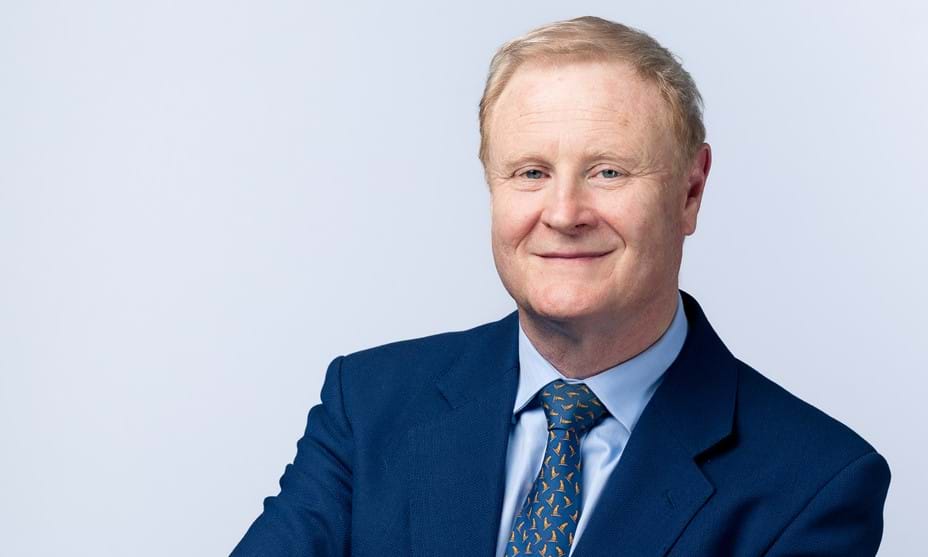
“Our learning and adapting is reflected in our current portfolio and investment practice, as well as our careful study of market trends. Businesses are facing a challenging funding and operating landscape, demonstrating that Scotland needs investors, like the Bank, with a long-term view, and this is reflected in the strength of our pipeline.”
David Ritchie added: “We have been learning lessons from previous investments while re-calibrating our processes to capitalise on the opportunities in the current Scottish market. We have ambitious plans, aligned to our clear purpose of accelerating a sustainable, innovative and inclusive Scottish economy.”
The bank made significant investments last year, alongside notable institutional investors. “Our £50m investment in Octopus Capital’s Affordable Housing Fund introduced a new model of affordable housing to Scotland. We are also looking at how we can support energy security and grid stabilisation, as reflected by our £45m investment in Highview’s long-duration energy storage (LDES) facility at Hunterston. And we continue to support promising innovation with demonstratable income generation, like our £3m investment in healthtech business Bioliberty, which led the firm’s Series A round.”