



Any perception that UK deal markets are struggling does not hold water against the facts, The Business Q3 DealMakers’ Breakfast seminar in Edinburgh in October heard.
The session at the Sheraton Grand Hotel was held the morning before John Healey’s first budget which announced a number of measures to encourage enterprise in the UK.
Equity fundraising and M&A (mergers and acquisitions) have both been steady for three years; much of the pessimism comes from comparing the present with 2021, an outlier on almost every measure.
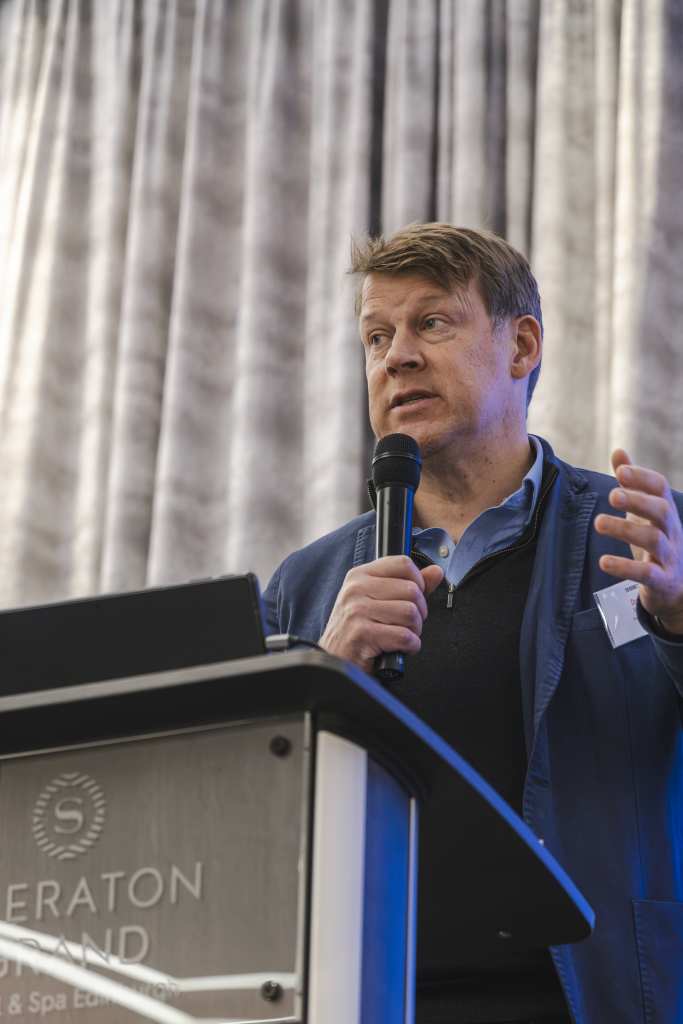
Doug Lawson, the founder and chief executive of Mark-to-Market, an Edinburgh-based data business specialising in private company market, especially in the small and mid-market, give a broad brush picture of the funding position in 2026.
Looking at equity fundraising, he said UK companies completed about 6,500 equity fundraisings in each of 2024 and 2025, and about 3,000 in the first half of this year. Late filings will push that up, and Lawson expects the full year to reach between 6,200 and 6,500.
Capital raised is more encouraging. Counting new venture and growth money only, excluding buy-outs and replacement capital, UK companies raised £19bn in 2024, £20bn in 2025 and £13bn in the first half of 2026, with £26bn estimated for the full year.
A handful of very large rounds moved this total.
In 2021, by contrast, there were more than 8,000 fundraisings and about £33bn to £34bn was raised. Against that peak, the market looks soft. Against the 2010s, when the UK recorded 2 or 3,000 fundraisings a year, it shows significant structural growth.
However, this massive wall of capital in the US for the AI boom, gives some context. In the US, Anthropic has raised $95bn this year and OpenAI $120bn: two companies raising roughly eight times what the entire UK market is expected to raise in 2026.
Series B funding, rounds of £10m and beyond, are a bright spot with £310m in 2024 and on course for about £370 this year. Lawson said Scotland accounted for 95 pre-seed rounds, under £1m, 32 seed rounds (£1m to £3m), 14 Series A rounds (£3m to £10m) and 11 Series B rounds in the first half.
That is about 5 per cent of UK deals in Scotland but only 2.5 per cent of the capital, meaning Scottish companies typically raise considerably less than the UK average. Scotland has about 8 per cent of the UK population, but almost every region is underweight: around 65 per cent of deals and capital go to London and the South East.
Scotland’s five per cent share of rounds matches its share of UK companies created since 2021 and of active trading companies.
The most active investors in Scotland in the first half of 2026 were Scottish Enterprise, Strathclyde, the Scottish National Investment Bank, Techstart and Orchard Venture Capital, which is Castle View Ventures, the Bell family vehicle in Bridge of Allan, Stirling. Over a longer period, Scottish Enterprise leads, followed by Old College Capital, Archangels, Strathclyde and Maven.
M&A tells a similar story. Practitioners have told Lawson that deals are taking longer, but they are happening: volumes were strong in 2021 and 2022, dipped in 2023 and have since rebounded. Scotland does better here: 7.4 per cent of UK M&A transactions involve a Scottish business, with 238 deals so far this year following a very strong 2025.
“Valuations have come down from their peak. On an all-cap private market index, the median EBITDA multiple was nearly eight times in 2021, when interest rates were very low. It eased in 2022 and fell to six times in 2023, where it has broadly stabilised,” he said.
That figure conceals a widespread by size. Deals under £2.5m attracted a median multiple of 3.7 times; £2.5m to £10m, five times; £10m to £50m, 7.8 times; £50m to £250m, 10 times; and above £250m, 12.3 times. Sector and growth matter too.
The so-called SaaSpocalypse in February, when markets took fright over the future of conventional software-as-a-service companies, pushed tech valuations down.
“Companies took a massive hit. We started to see valuations coming off in the tech sector. But for exceptional [businesses] across the board, they still command big prices.”
London Stock Exchange Group recently paid 12 times revenue, not EBITDA, for a bond data company.
“So huge multiples are happening for exceptional businesses,” he says.
Among the larger Scottish deals of 2026 were the £3.1bn takeover of Mitie, the listed support services business, by the private equity backed OCS; the Trillium Flow deal in oil and gas engineering; the takeover of Capricorn Energy by a Norwegian business; the Cyberhawk drone inspection and aerial data management deal; and the sale of the handbag and leather goods maker Strathberry to Soho Square.
Much activity comes from private equity backed buy and build strategies, in which a platform adds smaller bolt-on businesses at lower multiples.
The most active acquirers in Scotland this year include Hakim Group in opticians, GM Glendinning, the insurance broker consolidator, GEG in Inverness, an energy and infrastructure business, and Gilson Gray in legal services and estate agency.
Huge multiples are happening for exceptional businesses
— Doug Lawson
AUTUMN DEALS IN FOCUS
£2.2M FUNDING FOR INHALER DEVELOPER
1nhaler, a drug delivery device developer, has secured £2.2m in follow-on funding to progress its novel pop-up cardboard inhaler towards first regulatory approval. The funding round was led by Archangels with support from Scottish Enterprise and BBB Investments.
Lisa McMyn, co-founder and chief executive officer, said: “This investment takes us to one of the most important milestones in our journey – taking our own lead product into the clinic.
“The continued backing of Archangels, Scottish Enterprise and BBB Investments reflects the technical and commercial progress we have made over the past year.”
DUNEDIN JOINS WBG GROUP
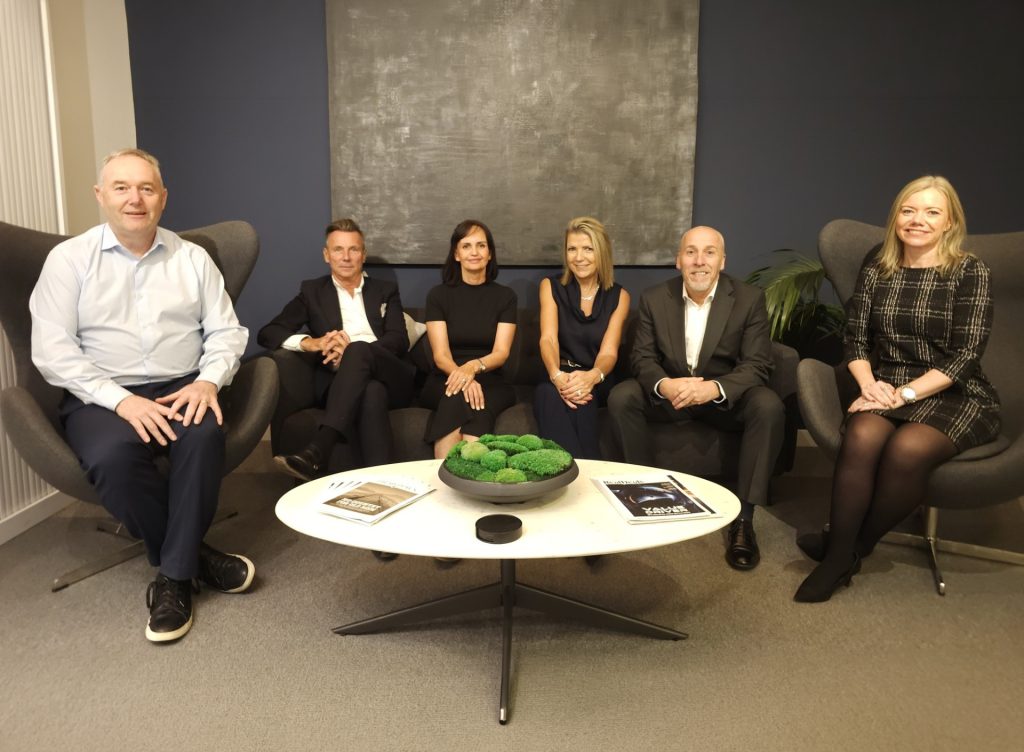
Wbg, an independent professional services and accounting firm in Glasgow, has acquired Dunedin Advisory. Founded in 2009, based in Glenrothes, Fife, and becoming an employee-owned business in 2020, Dunedin’s management team comprises licensed insolvency practitioners, chartered accountants and business professionals.
Allan Dowie, Wbg chief executive, said: “Dunedin Advisory specialises in the provision of expert business advice, growth and succession planning together with the restructuring and recovery of businesses.
“It also supports businesses facing insolvency and individuals with personal debt or creditor guarantees.
“This acquisition takes the combined business to five insolvency practitioners, one of the largest teams in Scotland, and gives Wbg the highest headcount in Scotland for restructuring with a combined £4m annual revenue.”
Wbg’s headcount of the restructuring function rises to 33, with 11 new colleagues.
BARNES AEROSPACE ADDS DUNDEE REPAIRER
Dundee-based ATL Turbine Services has been acquired by Connecticut-headquartered manufacturer Barnes Aerospace, based in Baldovie Industrial Estate, in a deal valued at over £10m. It is Barnes’ first dedicated component repair and overhaul facility in Europe.
ATL Turbine employs 83 at its Dundee, Scotland facility. Previously Foresight Group invested £3.5m as part of a management buy-out in 2015.
The acquisition saw a return of more than three times investment Foresight said – including proceeds previously returned during the investment period.
The transaction integrates a specialised hot-section gas turbine repair operation into Barnes Aerospace’s expanding global aftermarket network.
AAB INVESTS IN TAX ADVISORY SPECIALIST
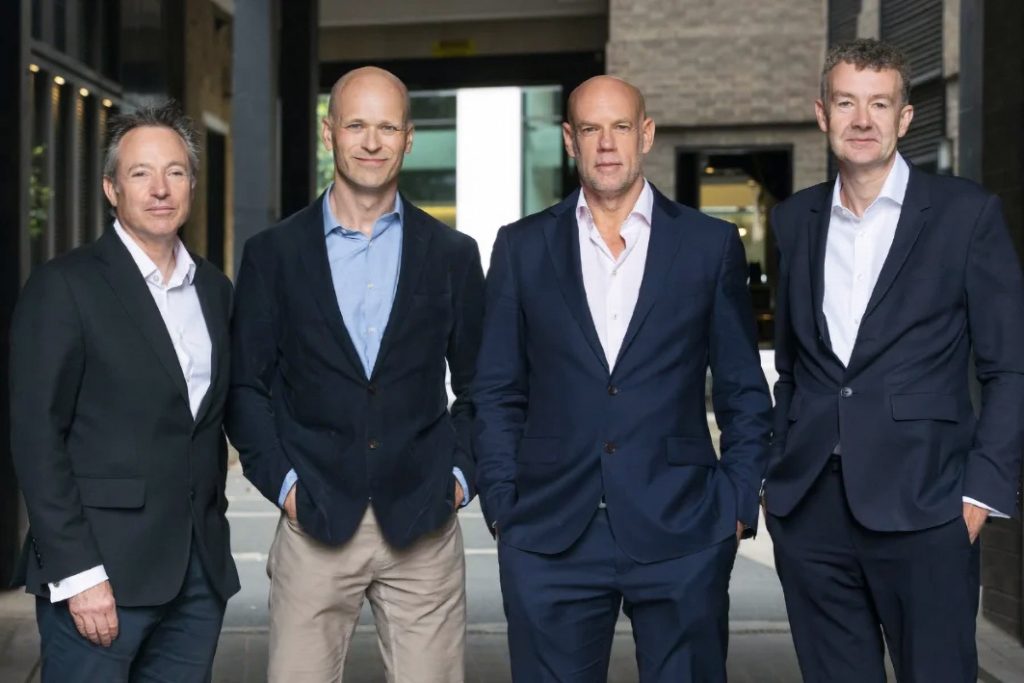
AAB, who has been adviser for a spate of Scottish deal, has acquired Veritas Advisory, a specialist capital allowances advisory firm.
Veritas advises active investors, funds, corporates, private equity firms, real estate advisers delivering specialised tax advice across complex real estate transactions, development projects and investment portfolios.
Mark Lappin, head of tax at AAB, said: “This is a strategically important acquisition for AAB and another clear demonstration of our ambition.
“We are building a business with genuine scale, deep specialist expertise and the ability to deliver exceptional outcomes for clients operating in increasingly complex markets.”
Continue reading the Q3 event reporting:
How to keep a company out of the ‘valley of death
This article is featured in the Winter Edition of The Business magazine published on 29 November 2026 in association with The Sunday Times Scotland.
